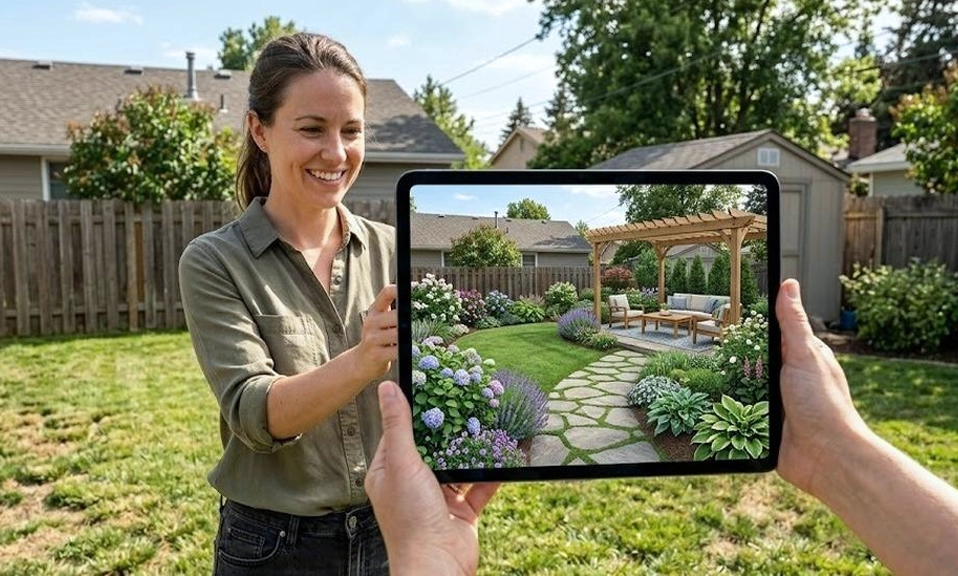
For centuries, gardening has been an art of observation, intuition, and a lot of guesswork. You plant a seed, you watch the sky, you stick your finger in the dirt, and you hope for the best. Sometimes you get a bumper crop of tomatoes; sometimes your squash gets wiped out by powdery mildew and you have no idea why.
But as we move through 2026, the “green thumb” is getting a digital upgrade.
Artificial Intelligence has officially moved out of the tech sector and into the soil. From smartphone apps that diagnose plant diseases in seconds to smart sensors that predict exactly when your garden needs water, AI is transforming gardening from a game of chance into a science of precision.
The best part? You don’t need to be a software engineer to use it. AI gardening tools have become incredibly user-friendly, acting as a tireless, hyper-observant co-pilot for your backyard, balcony, or indoor jungle.
Here is how AI is changing the way we grow plants in 2026, and how you can use it to grow healthier, more abundant gardens with less effort.
📸 1. The “Plant Whisperer” Apps: Instant Diagnostics
Remember when plant identification apps just told you the name of your houseplant? In 2026, computer vision has evolved into a master diagnostician.
How it works: You notice a strange yellow spot on your tomato leaf. You snap a photo with your phone. Within seconds, the AI doesn’t just identify the plant; it analyses the lesion, cross-references it with your local weather data (e.g., “it’s been humid for three days”), and gives you a diagnosis: “Early Blight.” It then provides a step-by-step, organic treatment plan.
Why it matters: It eliminates the guesswork. Instead of losing a whole crop to a misidentified pest or disease, you catch it on day one and treat it precisely. It’s like having a master horticulturist in your pocket 24/7.
📡 2. Smart Soil Sensors & Predictive Irrigation
The days of blindly watering your garden on a “every Tuesday and Friday” schedule are over.
How it works: You push a sleek, solar-powered soil probe into your raised bed or pot. It doesn’t just measure surface moisture; it reads soil temperature, pH levels, and even the NPK (Nitrogen, Phosphorus, Potassium) nutrient density at the root zone.
The AI takes this data and combines it with hyper-local weather forecasting. If it knows a heavy rainstorm is coming tomorrow, it tells your smart irrigation system to skip today’s watering cycle. If your tomatoes are entering their fruiting stage and the soil nitrogen is dropping, it alerts you to feed them.
Why it matters: It takes the anxiety out of watering. You never underwater or overwater again. Plus, by only watering when the plant actually needs it, smart AI irrigation can reduce outdoor water usage by up to 50%.
🤖 3. The Rise of the Garden Rover (Robotic Weeding)
Weeding is the most tedious part of gardening. In 2026, small-scale robotics are starting to take over this chore for home growers.
How it works: Think of it as a lawnmower for your vegetable beds. Small, AI-guided robotic rovers (like the advanced versions of the Tertill or new smart-cultivators) patrol your raised beds. Using computer vision, the AI can instantly distinguish between your precious seedlings and a weed. It then either snips the weed at the soil line or uses a micro-dose of organic herbicide directly on the weed’s leaf, leaving your crops untouched.
Why it matters: It keeps your garden weed-free without the back-breaking labour, and it completely eliminates the need to spray broad-spectrum herbicides across your entire garden.
🌿 4. AI-Optimised Indoor Jungles & Greenhouses
For the houseplant collectors and backyard greenhouse growers, AI is the ultimate climate controller.
How it works: Smart indoor garden systems (like the latest generations of Click & Grow or Gardenary) use AI to monitor the transpiration rates of your plants. If the AI senses that your Monsteras are struggling in dry winter air, it automatically adjusts your smart humidifiers. If your seedlings are stretching toward the light, it dynamically shifts the intensity and angle of your LED grow lights.
Why it matters: It creates the perfect micro-climate for every single species in your care. You can grow tropical orchids, leafy greens, and succulents in the exact same room, and the AI will manage the localized environments to keep them all thriving.
🧬 5. Seed-to-Harvest Yield Maximisation
AI isn’t just reacting to problems; it’s proactively planning for success.
How it works: Advanced gardening apps now allow you to input your exact zip code, your soil type, and your garden’s dimensions. The AI then generates a customised, day-by-day planting calendar. It tells you exactly when to start seeds indoors, when to harden them off, and when to transplant, factoring in the shifting climate patterns of your specific region. It even suggests companion planting layouts to naturally deter pests and maximise yield in small spaces.
Why it matters: It turns a beginner into a strategic planner. You stop planting things at the wrong time and start maximising every square inch of your growing space.
🧠 The Human Element: Why AI Won’t Replace the Gardener
With all this technology, you might be wondering: Is AI going to ruin the soul of gardening?
The answer is a resounding no.
People don’t garden just for the harvest; they garden for the connection. AI cannot replicate the smell of damp earth after a rainstorm. It cannot replicate the quiet satisfaction of watching a seedling break through the soil, or the joy of handing a sun-warm tomato to a friend.
What AI does is remove the friction, the anxiety, and the tedious chores. It handles the math, the monitoring, and the diagnostics, freeing you up to do what humans do best: observe, nurture, and enjoy.
AI is the ultimate sous-chef for your garden. It chops the onions and preps the station, so you can focus on creating the masterpiece.
🛠️ How to Start Your AI Garden Today
You don’t need to spend thousands of dollars to get started. Here is how to dip your toes in:
- Download a Diagnostic App: Start with a premium plant care app (like Picture This, Planta, or Greg). Use it to catalogue your plants and get AI-driven watering and light reminders.
- Buy a Smart Sensor: Invest in a single Bluetooth soil moisture sensor for your most problematic plant or garden bed. Pair it with your phone to see the real-time data.
- Upgrade Your Irrigation: If you have an in-ground sprinkler system, swap the old timer for a smart Wi-Fi controller (like Rachio) that uses AI weather-intelligence to prevent watering in the rain.
Grow Smarter, Not Harder
The integration of AI into gardening in 2026 isn’t about turning our backyards into sterile, robotic laboratories. It’s about giving everyday growers the same data-driven insights that commercial farms have used for years.
By letting artificial intelligence handle the guesswork, we can conserve water, reduce chemical use, and grow more food than ever before.
So, embrace the tech. Let the AI monitor the soil and diagnose the leaves. Then, put your phone in your pocket, grab your favourite trowel, and get your hands in the dirt. The future of gardening is here, and it’s more beautiful than ever.