There is a category of cinema that exists beyond entertainment. These are films that are critically acclaimed, culturally significant, and undeniably powerful—and yet, the thought of sitting through them a second time fills you with a quiet dread. They are not bad movies. They are too good at what they do. They burrow into you, leave a mark, and then politely suggest you never return. Here are 10 films that you will only ever be able to watch once.
1. Requiem for a Dream (2000)
Darren Aronofsky’s harrowing portrait of addiction is a masterpiece of visceral filmmaking. It is also, for many viewers, a one-and-done experience. The film follows four characters whose lives unravel in increasingly devastating ways, and Aronofsky uses every tool at his disposal—split screens, rapid-fire editing, a pulsating score by Clint Mansell—to put you inside their escalating desperation. The final act, a montage of four simultaneous tragedies set to “Lux Aeterna,” is one of the most emotionally exhausting sequences ever committed to film. It is brilliant. It is unforgettable. And it is the reason you will never watch it again.
2. Grave of the Fireflies (1988)
Studio Ghibli is synonymous with warmth, wonder, and films that make you feel good about the world. Grave of the Fireflies is the exception. Isao Takahata’s animated film tells the story of two siblings struggling to survive in the final months of World War II Japan, and it is unrelenting in its sadness. There is no magical creature to save them, no last-minute reprieve. The film opens with a title card that tells you exactly how it ends, and then spends 90 minutes making you wish it weren’t true. It is widely regarded as one of the greatest war films ever made, and also one of the most devastating. Many viewers describe it as a film they are glad to have seen and will never watch again.
3. Schindler’s List (1993)
Steven Spielberg’s Holocaust drama is essential viewing. It is also, understandably, not a film most people revisit. Shot in stark black and white, with the exception of the famous girl in the red coat, Schindler’s List confronts the horrors of the Holocaust with unflinching clarity. The film’s power lies in its refusal to look away, and that is precisely what makes it so difficult to return to. It is a film that educates, moves, and wounds. Once is enough to carry its weight forever.
4. Irréversible (2002)
Gaspar Noé’s controversial film is notorious for two scenes: a brutal, nine-minute rape sequence and a fire extinguisher murder, both shot in a disorienting, unblinking style. The film tells its story in reverse, moving from the darkest moments back to a sunlit, idyllic beginning that makes the violence even more tragic. Irréversible is a provocation, a technical experiment, and an argument about the nature of time and consequence. It is also a film that many critics have defended as important while simultaneously admitting they could never watch it again. It is not for the faint of heart, and even the strong-hearted rarely return.
5. The Green Mile (1999)
Frank Darabont’s adaptation of Stephen King’s novel is a deeply moving story about a death row prison guard and a gentle giant with a miraculous gift. The film earns its 189-minute runtime by building a rich, character-driven world and then methodically breaking your heart. The execution scene, in particular, is one of the most emotionally shattering moments in mainstream cinema. It is a film people love, recommend, and think about often—but the emotional toll of the final act is so profound that the thought of sitting through it again feels almost masochistic.
6. Come and See (1985)
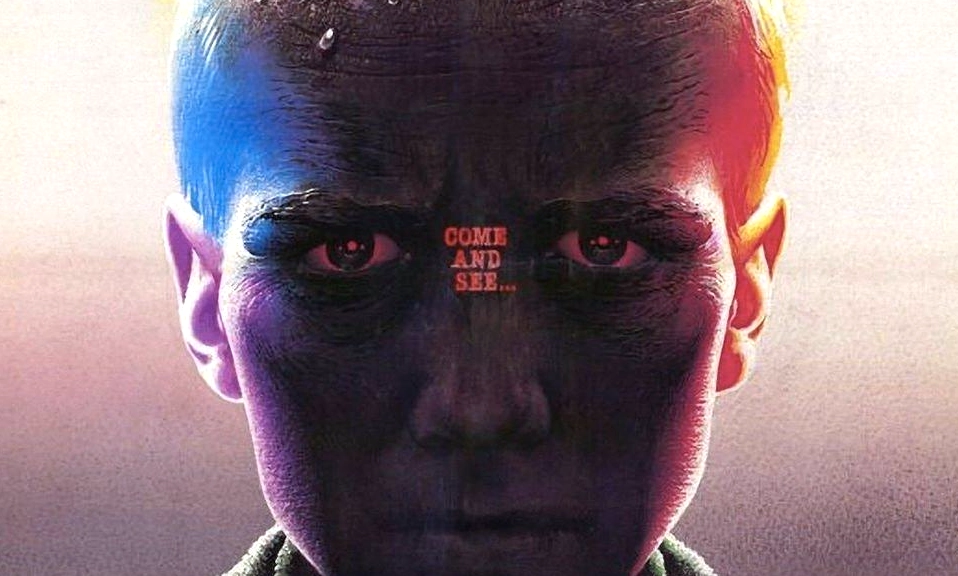
Elem Klimov’s Soviet war film is often cited as one of the most disturbing films ever made. It follows a young boy who joins the Belarusian resistance during World War II and witnesses atrocities that strip away his innocence in the most brutal ways imaginable. The film is not just a depiction of violence; it is an experience of psychological breakdown, with the protagonist’s face transforming over the course of the narrative into something almost unrecognizable. It is a landmark of anti-war cinema and a film that leaves an indelible mark. It is also a film that many viewers describe as essential but unwatchable twice.
7. 12 Years a Slave (2013)
Steve McQueen’s adaptation of Solomon Northup’s memoir is a powerful, unflinching depiction of slavery in America. The film’s power lies in its restraint and its relentless focus on the humanity of its protagonist, which makes every act of cruelty against him land with devastating force. The hanging scene, in which Solomon dangles from a tree for hours while others go about their business, is one of the most haunting images in modern cinema. 12 Years a Slave is a film that demands to be seen, and it is a film that most people need to mentally prepare for. A second viewing is a commitment few are willing to make.
8. Dancer in the Dark (2000)
Lars von Trier’s musical melodrama stars Björk as a Czech immigrant who is losing her sight and saving money for her son’s operation. The film alternates between gritty, handheld realism and vivid musical fantasy sequences, and the contrast is both beautiful and excruciating. The final act is one of the most devastating in film history, a slow, methodical march toward an ending that feels both inevitable and unbearable. Björk’s performance is extraordinary, and the film’s emotional impact is overwhelming. It is a singular achievement and a one-time experience for most.
9. Manchester by the Sea (2016)
Kenneth Lonergan’s quiet, devastating drama is about grief, guilt, and the impossibility of moving on. Casey Affleck gives a career-best performance as a man who is emotionally frozen, and the film slowly reveals the tragedy that broke him through a series of flashbacks that are all the more powerful for their restraint. The scene at the police station, in which he realizes the full weight of his actions, is one of the most heartbreaking moments in recent cinema. Manchester by the Sea is a film of profound empathy and pain. It is also a film that most viewers find too emotionally draining to revisit.
10. The Passion of the Christ (2004)
Mel Gibson’s depiction of the final hours of Jesus Christ is one of the most graphic and unrelenting films ever made about physical suffering. The film is a meditation on sacrifice, faith, and endurance, and it was a cultural phenomenon upon its release. For many believers, it is a deeply meaningful devotional experience. For everyone, it is a difficult watch. The extended scourging and crucifixion sequences are almost unbearable, and the film’s use of Aramaic and Latin adds to its sense of historical immersion. It is a film that people watch once, absorb, and then rarely return to—not because it is bad, but because it is so completely overwhelming.
These films share a common thread:
they are powerful enough to leave a permanent mark. They are not casual viewing; they are experiences that demand emotional labor and leave you changed. Watching them once is enough to understand their power, and more than enough to know that you will never need to watch them again. They are, in their own way, a testament to the capacity of cinema to move us beyond entertainment and into something far more profound.