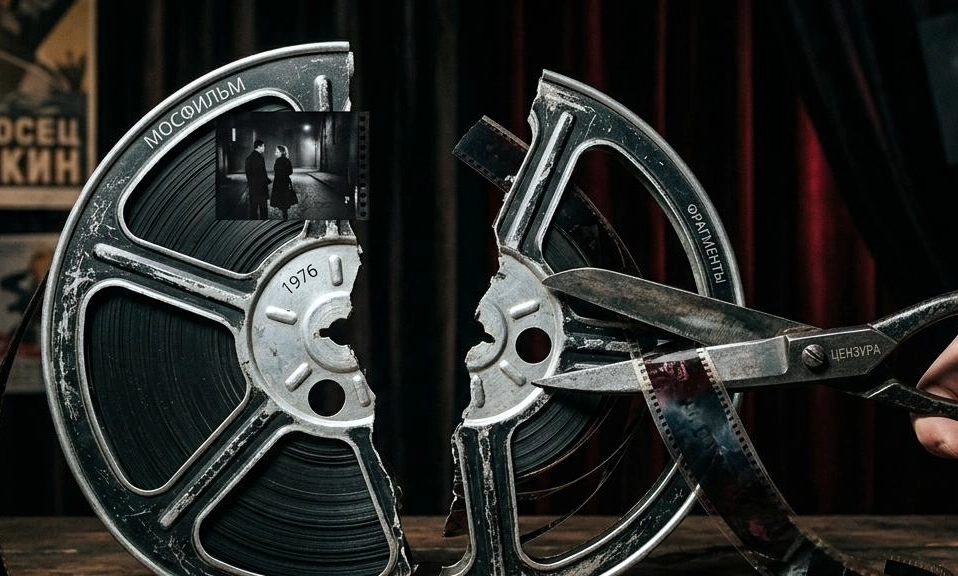
Cinema has always been a mirror held up to society—and sometimes, society doesn’t like what it sees.
Throughout film history, certain movies have crossed the line from mere entertainment into the realm of cultural lightning rods. Whether through groundbreaking (or gratuitous) violence, religious blasphemy, political propaganda, or perceived moral decay, these films have sparked protests, prompted government bans, and even led to arrests.
But controversy is a double-edged sword. While some of these films were rightfully condemned for their harmful messages, others were misunderstood masterpieces that pushed the boundaries of artistic expression and forced us to confront uncomfortable truths.
Here are the 10 most controversial and heavily criticized movies in film history, and the uproar they left in their wake.
1. The Birth of a Nation (1915)
The Controversy: Glorification of the Ku Klux Klan and vicious racial propaganda. The Backlash: D.W. Griffith’s epic is undeniably a landmark in cinematic technique, pioneering close-ups, fade-outs, and large-scale battle sequences. However, its narrative is a grotesque revision of history that portrays the Reconstruction-era South as a paradise ruined by freed Black people, while framing the KKK as heroic saviors. The Aftermath: The NAACP led massive protests upon its release, and it was banned in several cities and states. Today, it is widely taught in film schools not as a masterpiece to be celebrated, but as a chilling case study in how powerful cinematic tools can be weaponized to spread hate.
2. A Clockwork Orange (1971)
The Controversy: Stylized, sadistic violence and fears of “copycat” crimes. The Backlash: Stanley Kubrick’s dystopian adaptation of Anthony Burgess’s novel was a critical darling but a public relations nightmare. Following its release, several violent crimes in the UK were loosely (and sensationally) linked to the film’s imagery, including a murder where the assailants reportedly sang “Singin’ in the Rain.” The Aftermath: The backlash was so severe, and the threats to Kubrick’s family so intense, that the director personally asked Warner Bros. to withdraw the film from distribution in the UK. It remained officially unseen in British cinemas for 27 years, until after Kubrick’s death in 1999.
3. Last Tango in Paris (1972)
The Controversy: Graphic sexuality and the blurred lines of consent. The Backlash: Bernardo Bertolucci’s film starring Marlon Brando and Maria Schneider shocked audiences with its raw, unsimulated-feeling sexual encounters in a vacant Parisian apartment. Decades later, the controversy reignited when Bertolucci admitted in a 2016 interview that the infamous “butter scene” was not fully explained to Schneider beforehand, making her genuine tears of humiliation part of the film. The Aftermath: Upon release, it was slapped with an X rating in the US and faced obscenity trials in Italy (where Bertolucci was briefly stripped of his civil rights). Today, it is viewed through a deeply critical lens regarding on-set ethics and the exploitation of actors.
4. Salò, or the 120 Days of Sodom (1975)
The Controversy: Unflinching depictions of sadism, torture, and degradation. The Backlash: Pier Paolo Pasolini’s final film transposes the Marquis de Sade’s 18th-century novel to the final days of Mussolini’s fascist regime. It features relentless, graphic scenes of sexual violence, torture, and consumption of human waste. It is widely considered one of the most disturbing films ever made. The Aftermath: The film was banned outright in numerous countries (including the UK, Australia, and New Zealand) for decades. Adding to its dark mythos, Pasolini was brutally murdered under mysterious circumstances just weeks before the film’s premiere, leading to endless conspiracy theories about the movie’s content.
5. Cannibal Holocaust (1980)
The Controversy: Extreme gore, real animal cruelty, and accusations of being a “snuff film.” The Backlash: Ruggero Deodato’s found-footage horror film about a documentary crew eaten by an Amazonian tribe was so realistic that the director was arrested in Italy and charged with murder. The court believed the actors had actually been killed on screen. The Aftermath: Deodato was only able to avoid murder charges by producing the actors in court to prove they were alive. However, he was still convicted of animal cruelty, as several animals (including a turtle and a monkey) were genuinely killed during production. The film remains heavily censored or banned in over 50 countries today.
the media’s role in creating them. The Backlash: Stone intended the film as a blistering satire of how the media sensationalizes violence, turning killers into celebrities. However, many critics and audiences completely missed the satire, accusing the film of glorifying the very violence it sought to critique. The Aftermath: The film was heavily edited by the studio to secure an R rating (Stone’s “Director’s Cut” is considered the superior version). In the years following its release, it was infamously linked to several real-world school shootings and crimes, with perpetrators reportedly citing the film as an inspiration.
7. Irreversible (2002)
The Controversy: A grueling, nine-minute, single-take assault scene and nausea-inducing presentation. The Backlash: Gaspar Noé’s reverse-chronology thriller is most infamous for a brutally long, unbroken scene of sexual violence. To amplify the discomfort, Noé pumped the theater with a 28Hz infrasound frequency during the Cannes premiere, which is known to cause physical anxiety and nausea. Over 250 people reportedly walked out of the screening. The Aftermath: The film was heavily criticized for its exploitative framing, though defenders argue its reverse structure is designed to make the audience sit with the horrific consequences of violence, rather than treating it as a cheap thriller payoff.
8. The Passion of the Christ (2004)
The Controversy: Extreme, prolonged graphic violence and accusations of antisemitism. The Backlash: Mel Gibson’s depiction of the final 12 hours of Jesus Christ’s life was a massive box office phenomenon, but it was met with fierce criticism from film critics and religious scholars alike. Many Jewish organizations condemned the film for placing disproportionate blame for the crucifixion on the Jewish populace, echoing historical tropes that have fueled antisemitism for centuries. The Aftermath: While it remains a deeply significant film for many Christian audiences, its critical legacy is permanently marred by the debate over its historical accuracy and its potential to incite religious prejudice.
9. Joker (2019)
The Controversy: Fears that it would incite real-world violence by sympathizing with an “incel” archetype. The Backlash: Todd Phillips’ gritty origin story for Batman’s nemesis was praised for Joaquin Phoenix’s performance but heavily criticized for its perceived glorification of a lonely, mentally ill man who turns to mass murder. Ahead of its release, the US military and NYPD issued warnings about potential targeted violence at screenings, leading to heavy police presence in theaters. The Aftermath: While no copycat violence directly tied to the film materialized, the intense cultural anxiety it sparked highlighted a growing societal debate about how cinema portrays alienation, mental health, and mass violence.
10. Cuties (2020)
The Controversy: Accusations of child exploitation and sexualization. The Backlash: Maïmouna Doucouré’s French coming-of-age film, which critiques the hyper-sexualization of young girls in the age of social media, was acquired by Netflix. However, the streaming giant’s promotional poster and trailer heavily featured the 11-year-old cast in provocative dance poses, completely missing the film’s critical context. The Aftermath: The internet erupted. #CancelNetflix trended globally, politicians condemned the film, and hundreds of thousands of users canceled their subscriptions. Netflix eventually removed the original poster, issued an apology for the “inappropriate” marketing, and added content warnings. It remains a prime example of how marketing can completely derail a film’s intended message.
🎬 Art, Outrage, and the Test of Time
Controversy in film usually boils down to one question: Where is the line between artistic freedom and social responsibility?
Some films on this list (The Birth of a Nation, Cannibal Holocaust) are rightfully condemned for the genuine harm they caused or the unethical ways they were made. Others (A Clockwork Orange, Natural Born Killers) were misunderstood satires that became victims of their own provocative imagery.
What is undeniable is that these films forced conversations. They challenged censors, provoked lawmakers, and made audiences examine their own moral boundaries. Love them or hate them, these 10 movies proved that cinema is never just “light entertainment.” It is a powerful, volatile medium that will always have the capacity to shock, offend, and change the world.