Why Game 3 Could Change the MLB Playoffs
The Dodgers walked into Truist Park on Tuesday night with their season hanging in the balance. They walked out one win away from the NLCS — and the Braves walked out with questions they may not be able to answer.
There’s a reason the team that wins Game 3 of a tied best-of-five series goes on to win the series 71.6% of the time — 48 of 67 times in postseason history, according to MLB. It’s the pivot point. The fulcrum. The game that either tilts a series decisively or sends it spinning into chaos.
Tuesday night in Atlanta, the Dodgers made sure it tilted their way.
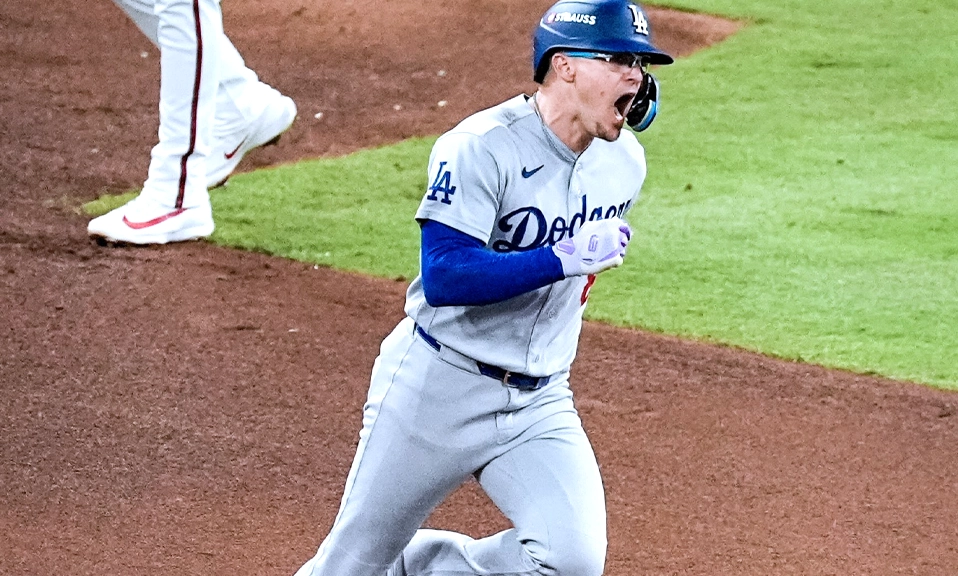
Behind seven innings of one-run ball and a postseason career-high 10 strikeouts from Yoshinobu Yamamoto, and home runs from Kiké Hernández and Freddie Freeman off Braves ace Chris Sale, Los Angeles won Game 3, 3-1, and took a 2-1 series lead. The defending World Series champions are now one win away from their third straight NLCS appearance.
But the scoreline only scratches the surface. Here’s why this game matters — and what it says about the road ahead for both teams.
The Pitching Duel That Lived Up to the Hype
Both teams saved their aces for this one. The Braves held Sale back specifically for Game 3, hoping their Cy Young-caliber left-hander could steal control of the series at home. The Dodgers lined up their fully rested rotation to put Yamamoto in this exact spot.
For three innings, neither blinked.
Sale and Yamamoto each struck out six batters through three scoreless innings — the first time both starting pitchers had done that in a postseason game since Clayton Kershaw and Jacob deGrom in the 2015 NLDS. The crowd at Truist Park was watching two of the best pitchers in baseball trade blows at the highest possible level.
Then the fourth inning happened.
Kiké Hernández — October Kiké, the man who has built a reputation as one of the most clutch postseason performers of his generation — launched a two-run homer off Sale to break the deadlock. One inning later, Freddie Freeman, facing the franchise that drafted and developed him, went deep against his former teammate.
Two swings. Three runs. Ballgame.
Sale finished with three runs allowed over five innings. Yamamoto, meanwhile, was electric. He became the first Dodger with a postseason start of at least seven innings, 10 strikeouts and one or fewer runs allowed since Blake Snell in the 2025 NL Wild Card Series, and just the third Japanese-born pitcher ever to reach double-digit strikeouts in a postseason game, joining Shohei Ohtani and Hiroki Kuroda.
The Braves’ only run came in the fifth, when they loaded the bases with one out and scratched a run across on a Drake Baldwin groundout. Yamamoto responded by getting Ronald Acuña Jr. to bounce out to end the threat. He was in control from start to finish.
The Braves’ Offense Is Missing
Here’s the number that should terrify Atlanta fans: the Braves have scored just seven runs through the first three games of this series.
Seven runs in three games. Against a Dodgers pitching staff that, to be fair, is historically good. But seven runs isn’t going to win a playoff series — not against a team with this much firepower.
The most glaring issue is Ronald Acuña Jr. The former MVP is 3-for-20 this postseason, and he grounded out with runners in scoring position in the fifth inning of Game 3 — the kind of moment the Braves desperately needed him to deliver. Acuña was moved to DH for the game due to concerns about his knee, and there were questions about his hustle down the line on a play that could have been closer than it looked.
The Braves have scored just seven runs through three games. If they can’t find a way to generate more offense in Game 4 and beyond, the season is over.
The Ohtani Question
Shohei Ohtani dropped to fifth in the batting order for Game 3 — the first time he’d hit that low since September 2020, when he was still with the Angels.
It was a tactical decision by manager Dave Roberts to stack right-handed hitters against Sale, and Ohtani was on board. Roberts said Ohtani told him he was planning to suggest hitting seventh.
But the numbers tell a concerning story. Ohtani went 2-for-8 in the first two games of the NLDS and is chasing pitches outside the zone at a 42.9% clip — up from 30% during the regular season. He appeared in just eight games in September due to injuries to his left knee and right biceps, and the rust is visible.
Ohtani is not pitching this postseason. If he’s not hitting either, the Dodgers’ margin for error shrinks considerably. The good news? He’s still Shohei Ohtani. And Roberts made clear he believes a big moment is coming.
What Comes Next
Game 4 is Wednesday night in Atlanta. The Braves will turn to Tyler Mahle, while the Dodgers have yet to announce their starter. If Atlanta loses, the season is over. If they win, the series returns to Los Angeles for a decisive Game 5 on Friday.
The pitching math favors the Dodgers. Their rotation is fully rested and stacked with aces — Tarik Skubal, Blake Snell, Yamamoto, Tyler Glasnow. The Braves, meanwhile, are piecing things together. They “barely had enough starters” to get through the Wild Card Series, and they’re still without injured starters Bryce Elder and Martín Pérez.
If the Braves force a Game 5, they’ll likely need another all-hands-on-deck bullpen performance — possibly including Sale coming out of the ‘pen again, as he did in the Wild Card Series.
The Dodgers didn’t just
win Game 3. They took control of the series.
Yamamoto outdueled Sale in a battle of aces. Kiké Hernández and Freddie Freeman delivered the big swings. And the Braves’ offense — the unit that was supposed to be Atlanta’s strength — has yet to show up.
History says the Game 3 winner wins the series. If that holds true, the Dodgers are headed to the NLCS for the third straight year.
But the Braves didn’t win 94 games by rolling over. They stole home-field advantage in Game 2. They’ve been counted out before.
Wednesday night will tell us whether this series is over — or just getting started.