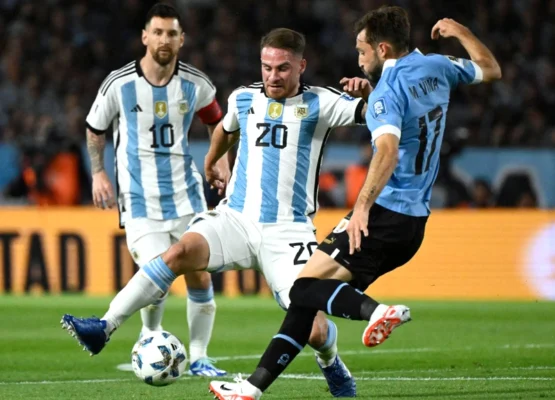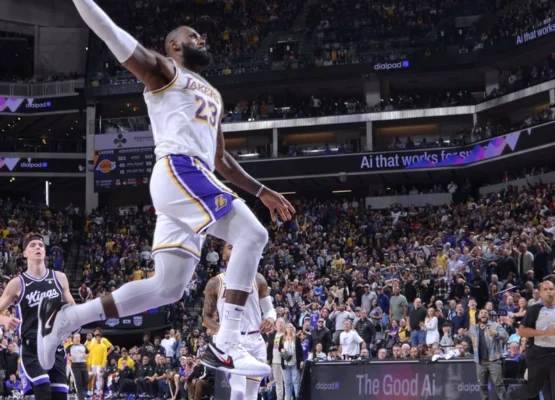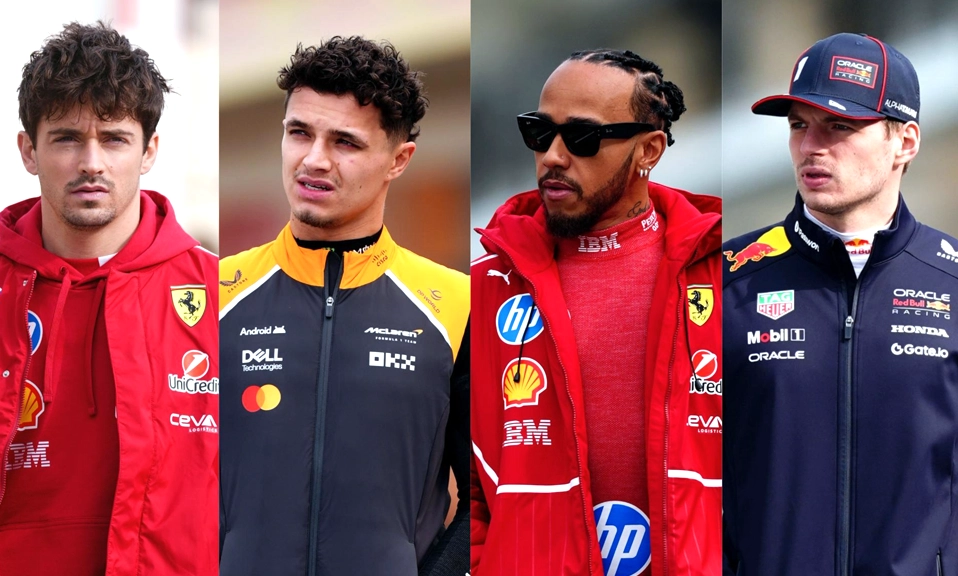
Remember what a Formula 1 driver used to look like?
If you grew up in the 1990s or 2000s, the stereotype was set in stone: a stoic, helmet-haired athlete giving robotic, one-word answers in the post-race press conference, whose only known hobbies were “driving fast” and “driving slightly faster.” They were incredible athletes, but they were niche sportsmen, largely unknown outside the hardcore motorsport bubble.
Fast forward to 2026, and that image has been completely obliterated.
Today’s F1 drivers are front-row fixtures at Paris Fashion Week. They are collaborating with Grammy-winning musicians, launching their own production companies, and boasting Instagram followings that rival the biggest pop stars on the planet. They are no longer just racing drivers; they are global, crossover superstars.
How did the drivers of the world’s most elite, technical racing series become the ultimate pop culture icons? Here is the breakdown of the F1 superstar revolution.
🎬 1. The Netflix Catalyst: Drive to Survive Changed the Game
You cannot talk about this cultural shift without acknowledging the elephant in the room: Netflix’s Drive to Survive.
When the docuseries launched in 2019, it did something F1 had never successfully done—it shifted the focus from the cars to the characters. By highlighting the intense rivalries, the political backstabbing between teammates, and the immense psychological pressure of the sport, Netflix turned the drivers into reality TV protagonists.
Fans didn’t just fall in love with the sport; they fell in love with the storylines. They picked their favorites, they loved to hate the villains, and they became emotionally invested in the drivers’ personal journeys. The show didn’t just grow the audience; it created a deeply parasocial connection between the fans and the grid.
📱 2. The Rise of the “Athlete-Influencer”
The modern F1 driver understands that they are not just an athlete; they are a media company.
Drivers like Lando Norris, Charles Leclerc, and Oscar Piastri have completely dismantled the old-school PR playbook. Instead of hiding behind team media officers, they are vlogging their own lives, streaming on Twitch, posting TikTok trends, and engaging directly with fans.
Lando Norris, for example, has seamlessly blended his identity as a world-class athlete with his passions for gaming, streetwear, and digital content creation. He doesn’t just race a car; he curates a lifestyle. This direct-to-fan accessibility makes them feel like peers to their millions of followers, rather than untouchable gladiators.
🇺🇸 3. The American Gold Rush
Liberty Media’s takeover of F1 in 2017 came with a clear mandate: conquer the United States.
By adding races in Miami and Las Vegas to join the established Austin Grand Prix, F1 transformed the US into its most lucrative growth market. But to sell F1 to America, you need stars.
The American sports and entertainment machine latched onto the F1 drivers. Suddenly, the paddock in Miami or Vegas wasn’t just filled with team principals; it was packed with Hollywood A-listers, tech billionaires, and hip-hop moguls rubbing shoulders with the drivers. The drivers became the ultimate status symbols at the most exclusive parties on Earth. In the US, F1 drivers are now treated with the same reverence as NBA superstars or heavyweight boxing champions.
👗 4. High Fashion and the “Paddock Flex”
Formula 1 has always been a sport of luxury, but in recent years, it has fully merged with the high-fashion world.
Brands like Prada, Dior, and Louis Vuitton have become official F1 partners. Drivers are now global ambassadors for these houses, wearing custom-tailored suits and avant-garde streetwear on the grid. Charles Leclerc is a regular at the Met Gala; Lewis Hamilton is a permanent fixture in the front row of global fashion weeks and a published Vogue contributor.
The “paddock walk” before a race has become a runway show. The drivers know the cameras are on them just as much as the cars, and they use this platform to project an image of glamour, wealth, and high culture that appeals to a massive, non-traditional demographic.
🧠 5. The Gladiatorial Reality (The Ultimate X-Factor)
For all the fashion shows and Netflix drama, there is a foundational reason these drivers command such respect: what they do is terrifyingly difficult.
When you strip away the celebrity, you are left with athletes who are strapping themselves into carbon-fiber cockpits and hurling themselves around tracks at 220 mph, enduring up to 5G of cornering force, with their hearts rate sitting at 170 BPM for two hours. One millimeter of misjudgment, one patch of oil, or one moment of lost focus, and the consequences are catastrophic.
The public is drawn to that danger. In an era where so much of our entertainment is sanitized and digital, F1 drivers are doing something visceral, physical, and incredibly dangerous. That gladiatorial edge gives them an aura of fearlessness that no amount of PR training could ever manufacture.
🏎️The Ultimate Crossover
The transformation of the F1 driver from a niche sportsman to a global superstar is one of the greatest marketing triumphs in modern sports history.
By combining the raw, dangerous appeal of the sport with the storytelling power of streaming, the direct connection of social media, and the glamour of high fashion and Hollywood, Formula 1 has created a new breed of celebrity.
They are the perfect modern icons: incredibly talented, unapologetically glamorous, digitally native, and willing to risk it all every time the lights go out.
The cars are still the stars of the track, but the drivers? They are the stars of the world.