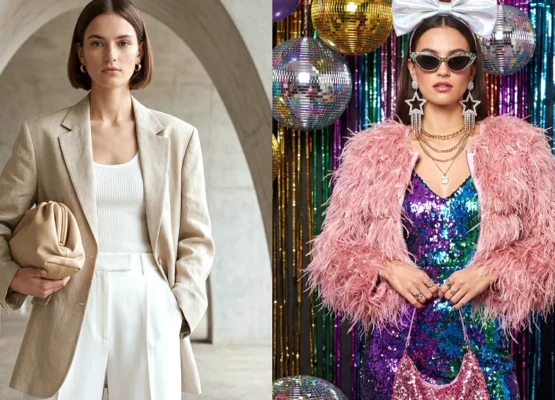
The girls on the Fall 2026 runways wore $8,000 coats. You saw them on Vogue. You loved them. You checked the price and closed the tab.
Here’s the secret the fashion industry doesn’t want you to know: Making your outfits look expensive comes down to three things: perfect fit, quality fabrics like cotton and wool, and intentional styling. You do not need designer labels.
You don’t need designer clothes to look expensive. You need to stop wasting money on the wrong things.
I asked stylists who dress celebrities without designer budgets how they do it. Here are 7 runway tricks that work at Zara prices.
1. Tailoring Is Cheaper Than Designer (And Matters More)
Perfect Fit and Tailoring — Nothing looks more expensive than clothes that fit you perfectly. In 2026, the ideal quiet luxury fit is relaxed but intentional: not too tight, not too baggy. Clothes should skim your body without clinging.
Tip: A good tailor can make a $50 blazer look like a $500 one.
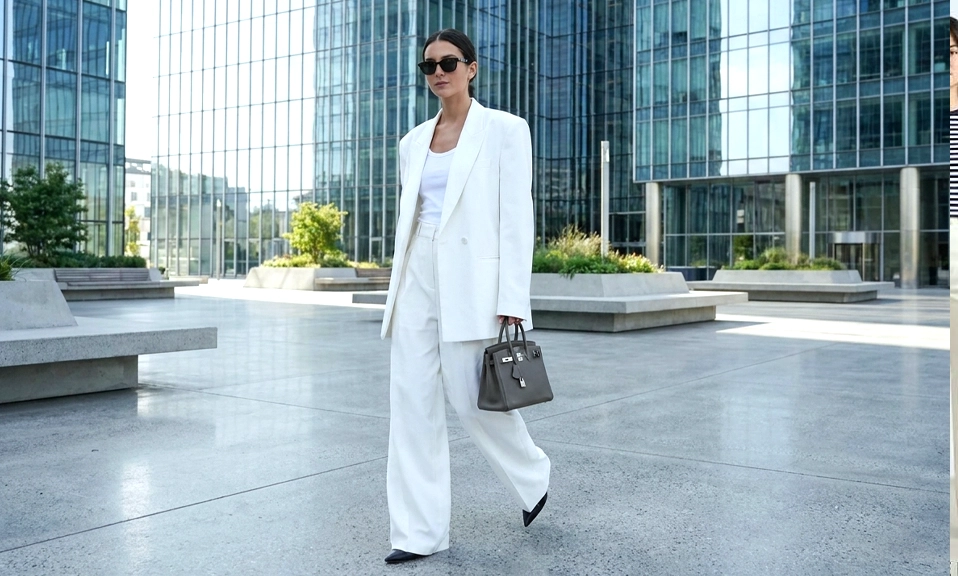
The runway secret: Every single model is tailored. Those blazers? Pinned in the back. Those trousers? Hemmed to exactly 1/4 inch above the shoe.
Take your $49 H&M blazer to a tailor. $15 to take in the waist, $12 to shorten sleeves to show 1/2 inch of shirt cuff. Suddenly it fits like The Row.
Runway to real life: Buy blazers and trousers one size up, then tailor down. Way cheaper than buying designer.
2. The 3-Color Rule: Stick to a Cohesive Palette
Quiet luxury in 2026 is about understated elegance. Think neutral palettes, impeccable tailoring, and clothes that look expensive because they fit well and age beautifully, not because they scream for attention.
This style of dressing avoids busy or crowded designs, favoring clean, simple cuts that still look expensive and timeless.
Expensive-looking outfits never have more than 3 colors, and usually it’s 2.
The palette that always looks rich in 2026:
- Camel + cream + black
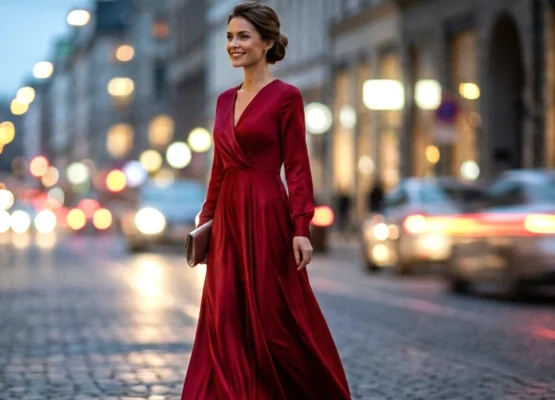
- Charcoal grey + white + burgundy (the 2026 combo)
- Chocolate brown + black + gold jewelry
- All grey, different shades
- All black, different textures
What colors make an outfit look expensive? Wear well-fitted, ironed clothes in neutral colors like black, white, beige, or navy.
Neon? Busy prints? 5 colors? That’s what makes cheap look cheap. Not the price tag — the chaos.
3. Fabric Snobbery — On a Budget
Focus on fit, not price. Clothes that fit well always look more expensive.
But fabric is #2.
On runway, they use wool, cashmere, silk, cotton. Off runway, Zara uses polyester that shines.
The trick: Touch before you buy.
Looks expensive:
- Cotton (especially heavy cotton poplin)
- Wool blend (even 20% wool looks better than 100% poly)
- Linen (wrinkled is okay, it’s linen)
- Faux leather that doesn’t shine like plastic
Looks cheap instantly:
- Thin polyester that clings and shows every bump
- Shiny acrylic sweaters
- Wrinkled linen-blend that looks like you slept in it (real linen wrinkles beautifully, fake linen wrinkles cheaply)
Pro tip: Check the label. If it’s 100% polyester for a blazer, put it back. If it’s 60% wool / 40% poly for $79, grab it.
4. Steam, Don’t Iron, and Clean Your Shoes
Choose clothes that fit well. Keep your shoes clean. Steam your outfits.
This is the most boring and most effective tip.
A $30 tee that’s steamed and lint-rolled looks more expensive than a $300 tee that’s wrinkled.
Expensive people:
- Steam, not just iron — steamer is $25 on Amazon, removes wrinkles without making fabric shiny
- Lint-roll everything — especially black trousers and coats
- Clean shoes every night — white sneakers with dirty edges scream cheap. Magic eraser + shoe cleaner = new shoes
- Ironed clothes, not wrinkled collar
One stylist said: “If I see a wrinkled collar, I know the outfit is cheap, even if it’s Chanel.”
5. The High-Low Mix — The Stylist’s Real Secret
Master High-Low Styling — The “high-low” concept is key to looking expensive without overspending. Real-life example: Pairing a tailored blazer with fast-fashion jeans, or designer shoes with an affordable dress, creates a contrast stylists recommend to elevate outfits.
Pairing these with a “high” accessory like a quality watch instantly elevates the look.
How to do it runway-style:
Formula: Cheap basics + 1 good “high” piece.
- Zara straight jeans ($45) + COS wool blazer ($150) + good leather loafers ($120, but lasts 5 years) + vintage gold hoops
- H&M white poplin shirt ($25) + Uniqlo tailored trousers ($49) + structured leather bag (not designer, just structured — no slouchy tote)
- Fast fashion dress ($39) + quality belt + quality shoes
The high piece should be where people look: shoes, bag, or blazer. Not the t-shirt.
A $50 blazer + $500 shoes looks expensive. $500 blazer + $50 shoes looks cheap. People look down.
6. Minimal Jewelry, Perfect Grooming
A neat hairstyle, subtle makeup, and a light fragrance convey sophistication more than any designer garment.
Looking expensive is not about pretending to be someone else. It is not about buying endless designer pieces. The women who always look elegant usually rely on much quieter details: simple styling.
Runway models have:
- Slick low bun or perfect blowout (not messy bun)
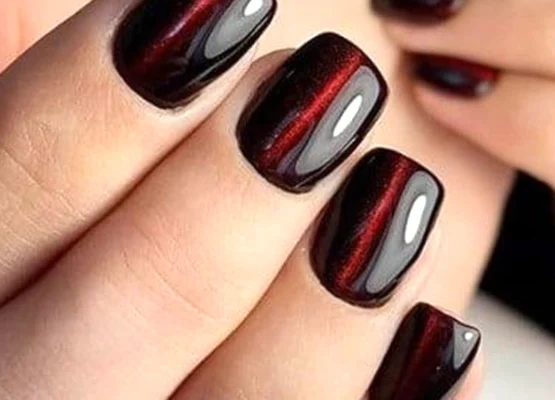
- Nails short, neutral or dark burgundy (no chipped neon)
- One or two pieces of jewelry — small gold hoops, thin chain, no big logo earrings
- Light fragrance — you smell expensive before you look expensive
Can I look expensive without wearing designer brands? Absolutely. Fit, grooming, and attention to detail are far more important than brand names.
No outfit looks expensive with greasy hair and chipped polish. Harsh but true.
7. Structure Over Slouch
Focus on tailoring, choose structured pieces, stick to a cohesive color palette, and add one or two minimal accessories.
The difference between a $20 tote and a $400 tote? Structure. The cheap one slouches and loses shape. The expensive one stands up by itself.
Buy structured:
- Bags that stand up (not slouchy hobo)
- Blazers with shoulder padding (even tiny)
- Trousers with a crease or thick fabric that holds line
- Sunglasses that are acetate, not flimsy plastic
And learn simple styling tricks: Small changes make a big difference: Front-tuck your shirt, push sleeves to show wrists, add a belt to define waist, cuff jeans to show ankle. These techniques create intentional styling, not random dressing.
That front tuck? That sleeve push? That’s what makes Zara look like Celine.
The Final Formula (Steal This)
No outfit looks expensive without confidence. Stand tall, maintain good posture, and wear clothes that make you feel comfortable. Confidence Is the Ultimate Luxury.
From runway to real life, here’s your cheat sheet:
Expensive-looking outfit for under $150:
- White poplin shirt ($30) steamed, tucked
- High-waisted tailored trousers in camel ($50) hemmed perfectly
- Black pointed loafers cleaned ($80)
- Gold small hoops ($15)
- Structured camel bag ($40, Zara)
- Hair in low bun, neutral nails
Total: ∼$215, looks like $1,200.
Because elegant style is about how you wear your clothes, not what they cost.