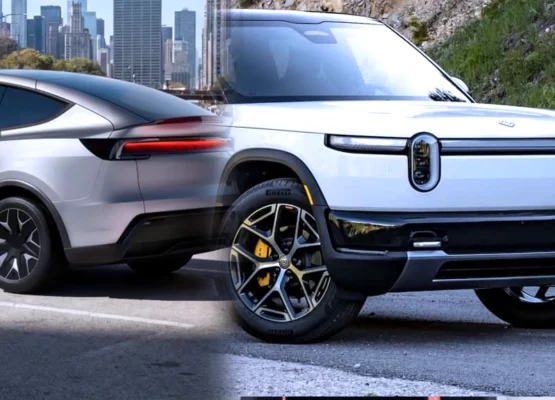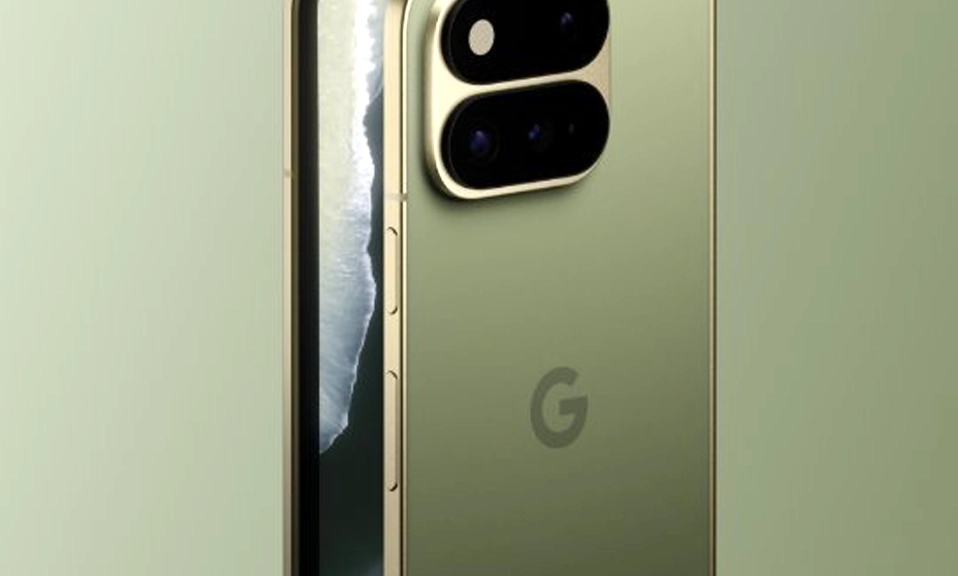
The foldable phone market has never been more competitive. Both Google and Samsung have released their 2026 flagship foldables at nearly identical starting prices—$1,899 for both devices. But beneath the surface, these two phones take radically different approaches to what a foldable should be.
Here’s how they stack up—and which one deserves your hard-earned money.
The Quick Verdict
Buy the Pixel 11 Pro Fold if: You prioritize camera quality, want more RAM and storage for your money, and value Google’s AI-powered software experience and IP68 dust protection.
Buy the Galaxy Z Fold 8 if: You want a lighter, more pocketable device with better battery life, faster charging, a nearly invisible screen crease, and a media-friendly display for watching videos.
Price and Value: Google Gives You More for Less
| Model | Base Price | RAM | Storage |
|---|---|---|---|
| Pixel 11 Pro Fold | $1,899 | 16GB | 256GB |
| Galaxy Z Fold 8 | $1,899 | 12GB | 256GB |
At the base level, both phones cost the same. But here’s the catch: the Pixel 11 Pro Fold gives you 16GB of RAM at the entry price, while Samsung only offers 12GB.
The gap widens at higher storage tiers:
| Storage | Pixel 11 Pro Fold | Galaxy Z Fold 8 |
|---|---|---|
| 512GB | $2,019 | $2,099 |
| 1TB | $2,249 | $2,499 |
For the same storage, you’re paying $80 to $250 more for the Samsung—and often getting less RAM in the process.
Winner: Pixel 11 Pro Fold
Design and Display: Two Very Different Visions
This is where the two phones diverge most dramatically.
Galaxy Z Fold 8 — Samsung has completely redesigned its foldable. Gone is the tall, narrow “candybar” shape. In its place is a shorter, wider, passport-style design with a 5.5-inch cover display (10:16 aspect ratio) and a 7.6-inch inner display (4:3 aspect ratio). It’s incredibly compact and pocket-friendly, weighing just 201g—significantly lighter than the Pixel.
Pixel 11 Pro Fold — Google has stuck with a taller, narrower profile: 6.5-inch cover display and 8-inch inner display. It’s heavier at 239g and thicker at 10.1mm when folded. However, it offers a larger inner screen for multitasking with two full-sized apps side-by-side.
Display brightness is a key differentiator. The Pixel’s Super Actua displays reach 3,600 nits peak brightness, significantly brighter than the Z Fold 8’s 3,000 nits.
The crease is another critical factor. Reviewers consistently note that Samsung’s display crease is “nearly invisible,” while Google’s remains among the “most noticeable” among foldables.
| Spec | Pixel 11 Pro Fold | Galaxy Z Fold 8 |
|---|---|---|
| Cover display | 6.5-inch | 5.5-inch |
| Inner display | 8-inch | 7.6-inch |
| Peak brightness | 3,600 nits | 3,000 nits |
| Weight | 239g | 201g |
| Folded thickness | 10.1mm | 9.7mm |
| Crease | Noticeable | Nearly invisible |
Winner: Galaxy Z Fold 8 (for portability and crease); Pixel 11 Pro Fold (for screen size and brightness)
Performance: Snapdragon vs Tensor
Galaxy Z Fold 8 — Powered by the Snapdragon 8 Elite Gen 5 “for Galaxy” , a custom chip built specifically for Samsung’s foldables. Available with 12GB or 16GB RAM.
Pixel 11 Pro Fold — Runs on Google’s Tensor G6 chip, built on a 2nm process. All configurations come with 16GB RAM.
The performance gap is real. PCMag’s review notes the Pixel has a “slower processor than competing foldables” and describes its performance as “average”. The Snapdragon in the Z Fold 8 delivers faster, more responsive performance across the board.
That said, Tensor G6 offers 50% more powerful TPU for on-device AI processing, making the Pixel better suited for Google’s AI features.
Winner: Galaxy Z Fold 8 (for raw performance)
Cameras: Google’s Crown Jewel
This is where the Pixel 11 Pro Fold pulls ahead decisively.
Pixel 11 Pro Fold — Features a triple camera system:
48MP main with a larger sensor (56% better light sensitivity than previous generation)
10.5MP ultrawide
10.8MP 5x optical telephoto with OIS
Super Res Zoom up to 30x
Galaxy Z Fold 8 — Features a dual camera system:
50MP wide
50MP ultrawide
No telephoto lens whatsoever
Digital zoom only up to 10x
The omission of a telephoto lens on the Z Fold 8 has been widely criticised. As DPReview noted, “the Pixel 11 Pro Fold comes out a bit ahead of Samsung’s price-competitive Galaxy Z Fold 8. That phone has a better ultrawide, but omits a telephoto option completely”.
Google’s computational photography—including Night Sight, Magic Capture, and Camera Looks—further extends its lead.
Winner: Pixel 11 Pro Fold (by a significant margin)
Battery and Charging: Samsung Takes the Crown
Galaxy Z Fold 8 — Packs a 4,800mAh silicon-carbon battery with 45W wired charging and 20W wireless charging. In PCMag’s testing, it achieved an impressive 16 hours and 30 minutes of battery life. Real-world continuous screen-on time reached 9 hours and 12 minutes.
Pixel 11 Pro Fold — Features a 4,750mAh battery—smaller than last year’s 5,015mAh. Supports 30W wired charging and 25W Qi2 wireless charging. Battery life is middling; one reviewer noted it “just barely gets me through the day, with roughly 10-15% battery by the time I’m preparing dinner”.
| Spec | Pixel 11 Pro Fold | Galaxy Z Fold 8 |
|---|---|---|
| Battery capacity | 4,750mAh | 4,800mAh |
| Wired charging | 30W | 45W |
| Wireless charging | 25W (Qi2) | 20W |
| Tested battery life | ~14 hours | ~16.5 hours |
Winner: Galaxy Z Fold 8
Durability: Google’s IP68 Advantage
Both phones offer strong durability, but with different strengths:
Pixel 11 Pro Fold: IP68 rating — completely dust-tight and can survive submersion in nearly five feet of water for 30 minutes.
Galaxy Z Fold 8: IP48 rating — can survive shallow submersion but is at risk from fine dust and sand.
Google also claims the Pixel 11 Pro Fold offers triple the durability of its predecessor.
Winner: Pixel 11 Pro Fold
Software: Different Strengths
Both phones run Android 17 and offer seven years of OS and security updates.
Pixel 11 Pro Fold offers the full Google AI experience with on-device Gemini Nano, HiLight notification LEDs that change colour based on who’s calling, and exclusive Pixel features.
Galaxy Z Fold 8 runs One UI 9 with Samsung’s multitasking features and DeX support.
Winner: Tie (depends on your software preference)
Choose the Pixel 11 Pro Fold if:
Camera quality is your top priority (the 5x telephoto alone is a game-changer)
You want more RAM and storage for your money
You value IP68 dust protection and durability
You prefer Google’s AI-first software experience
You want a larger inner display for multitasking
Choose the Galaxy Z Fold 8 if:
Portability and weight matter most (201g vs 239g is a big difference)
You watch lots of video (the 4:3 aspect ratio is much more media-friendly)
Battery life and faster charging are critical
You want a nearly invisible screen crease
You prefer Samsung’s One UI and multitasking features
What do you think? Are you Team Pixel or Team Galaxy?