8 Trends That Could Change How We Care for Our Hair
For decades, hair care has been a salvage operation. You bleach it, heat-style it, colour it, and then spend a fortune trying to repair the damage. In 2026, the industry is finally asking a more sensible question: what if we stopped the damage in the first place?
The shift is more than a marketing pivot. The global hair care market is valued at approximately $110 billion and is forecast to reach $151 billion by 2030. Euromonitor projects 24% growth by 2030, reaching £129 billion, outpacing makeup and fragrance. And the driving force behind that growth isn’t better repair products. It’s a fundamental change in how we think about our hair — not as a fibre to be fixed, but as a biological system to be maintained.
“Hair longevity” — sometimes called “hairspan” — is the new framework. As one trichologist put it, the focus is on “consistent density, resilient fibre, a comfortable scalp and a growth cycle that keeps renewing itself normally, year after year”. The goal isn’t faster growth or miracle cures. It’s preservation.
Here are the eight trends defining this transformation — and how they could change your routine.
1. From Repair to Prevention: The Hair Longevity Shift
What’s changing: Traditional hair care is reactive. You treat dandruff when it appears, repair breakage after it happens, and address thinning once you notice it. Hair longevity flips the model: address issues before they become visible, focusing on the scalp, the follicle, and the habits that contribute to age-related hair changes.
Why it matters: “Gradual changes in hair and scalp are much easier to support when they are addressed early,” says Pablo Ramos, lead trichologist at Simone Trichology. “Waiting until a change is clearly visible means working against months of accumulated shift in the cycle”. The focus shifts from treating damage to maintaining the conditions in which healthy hair grows.
What to do: Build a consistent routine rather than reaching for emergency fixes. The longevity approach is defined by three shifts: from reactive to preventative, from length-focused to scalp-focused, and from one-off treatments to sustained habits. Think of it like skincare — you don’t wait for a wrinkle to start using sunscreen.
2. Scalp Skinification: Treat Your Scalp Like Your Face
What’s changing: The scalp is finally getting the attention it deserves. In 2026, scalp care is being positioned as an extension of skincare, with the same logic applied to the roots that support every strand.
Why it matters: Sephora’s trend report describes scalp skinification as one of the biggest hair trends of the year, with consumers embracing gentle exfoliation, consistent hydration, and barrier protection instead of harsh scrubbing or over-washing. As one expert put it: “Like the skin on your face, it benefits from consistent, appropriate care”. When the scalp is balanced, hair looks glossier, feels stronger, and styles hold better.
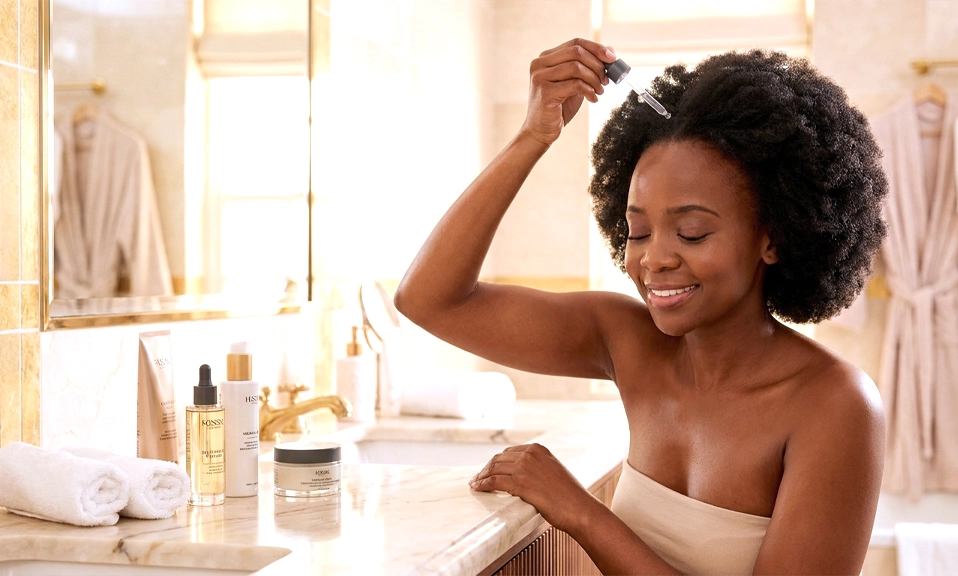
What to do: Build a scalp routine. Start with a gentle detox or acidic scrub to lift build-up, follow with a lightweight scalp serum for hydration, and keep things consistent with leave-ins that are kind to your scalp’s microbiome. Scalp serums (water-light, fast-absorbing) are different from scalp oils (richer, more nourishing) — choose based on whether your scalp is oily or dry.
3. Bond Repair, Rewritten: From Emergency Fix to Future-Proofing
What’s changing: Bond builders aren’t new. What’s changed is how they’re used. In 2026, bond repair is less about emergency fixes and more about future-proofing — strengthening the hair’s internal structure before damage occurs.
Why it matters: The Sephora report notes that “molecular hair repair” is designed to “improve health over time, not just mask it”. Products like K18’s Leave-in Molecular Repair Mask and Philip Kingsley’s Bond Builder treatments are now positioned as preventative maintenance, not post-disaster recovery. One treatment with Philip Kingsley’s Bond Builder restored 56% of hair’s strength and resistance to damage.
What to do: Incorporate a bond builder into your regular routine — not just after bleaching or heat damage. Use it as a weekly treatment or a leave-in before heat styling. Look for products that combine bond-building with heat protection, so you’re strengthening and shielding simultaneously.
4. Hair Cycling: The Rotation That Keeps Your Scalp Guessing
What’s changing: Inspired by “skin cycling,” hair cycling is the intentional rotation of hair care products and treatments across the week. The idea is simple: your hair doesn’t need the same routine every wash day.
Why it matters: The trend has 360 million TikTok views and is the most-discussed hair care method of 2026. The logic mirrors skin cycling: different days call for different interventions. One wash might focus on clarifying, another on hydration, another on protein. The rotation prevents product build-up, addresses multiple concerns, and keeps the scalp from becoming dependent on any single formulation. “Sebum cycling” — spacing out washes to train the scalp to produce less oil — is a related trend gaining traction.
What to do: Plan your week. Alternate between a gentle hydrating wash, a clarifying or exfoliating wash, and a treatment-focused wash with a mask or bond builder. Don’t use the same shampoo and conditioner every single time. Your hair — and your scalp — benefit from variety.
5. The Scalp Microbiome: The New Frontier
What’s changing: The scalp microbiome — the community of bacteria and fungi living on your scalp — is emerging as a key factor in hair health. Research in 2026 has highlighted the role of bacterial imbalances in dandruff and seborrheic dermatitis, moving beyond the traditional focus on a single fungal culprit.
Why it matters: A 2026 study in Research described the “Scalp Microbiome-Hair Axis,” exploring how microbial communities influence hair growth and scalp health. The implication is that future hair care will target both fungal and bacterial balance, not just one. Probiotics, prebiotics, and microbiome-friendly formulations are moving from niche to mainstream.
What to do: Look for products that support microbial balance rather than stripping the scalp of all life. Avoid harsh sulphates and over-washing. Ingredients like niacinamide, salicylic acid, and prebiotics are scalp-friendly. If you have persistent dandruff or irritation, consider a microbiome-targeted shampoo rather than a generic anti-dandruff product.
6. Exosomes and Regenerative Treatments: The Clinical Edge
What’s changing: Regenerative treatments that were once reserved for the face are moving to the scalp. Exosomes — tiny vesicles that deliver growth signals to cells — are being used in professional treatments to reduce inflammation and encourage hair regeneration.
Why it matters: “In 2026, hair will be treated with the same intelligence and intention as skin, proactively, clinically, and with long-term health in mind,” says Dr Marwa Ali of Harrods Wellness Clinic. Exosomes are particularly effective when combined with platelet-rich plasma (PRP), creating what Dr Ali describes as “a personalised biological treatment that works with the body’s natural repair mechanisms”. These treatments are both preventative and restorative, making them an investment in long-term hair health.
What to do: If you’re concerned about thinning or slow growth, consult a trichologist about regenerative options. Exosomes and PRP are not for everyone — they require a professional setting and a personalised treatment plan — but they represent the cutting edge of preventive hair care.
7. UV Protection and Environmental Defense
What’s changing: Hair sunscreen is no longer a novelty. In 2026, UV protection for the scalp and hair has become a genuine category, with dedicated products offering SPF 50+ protection.
Why it matters: UV rays don’t just damage skin — they degrade hair proteins, fade colour, and dry out the scalp. As one Vogue report noted, “sun protection for the hair and scalp” is now being taken seriously, with brands launching dedicated scalp sunscreens and photoprotective hair compositions. Products like Muloha’s Niacinamide Shield Hair Sun Protection Spray offer SPF 50 PA++++ protection designed to manage sun-induced damage including colour fading and brittleness.
What to do: If you spend time outdoors, add a UV-protective hair mist or scalp sunscreen to your routine. Look for products with broad-spectrum SPF and ingredients that also nourish the hair. It’s the same logic as skincare — daily protection prevents long-term damage.
8. AI Diagnostics and Personalization
What’s changing: AI is transforming how we diagnose and treat hair concerns. From microscopic hair imaging to smartphone-based shedding analysis, artificial intelligence is making personalised hair care accessible and precise.
Why it matters: A 2026 review described AI-powered hair diagnostics as a “five-module framework” integrating imaging, structural analysis, and clinical decision-making. Another study developed an AI model that counts shedding hairs from smartphone photographs with a mean absolute error of just 5.4 hairs — making at-home monitoring possible for the first time. Personalisation and specialisation are driving growth and innovation in the category.
What to do: If you’re overwhelmed by product options, consider using an AI-powered hair analysis tool. These platforms replace guesswork with data, helping you identify your hair’s specific needs — whether that’s porosity, density, scalp condition, or breakage risk — and build a routine that actually addresses them.
The shift from repair
to prevention isn’t just a trend. It’s a fundamental reframing of how we care for our hair.
The products are more sophisticated. The diagnostics are more precise. The routines are more intentional. And the goal is more honest: not to fix damage after it happens, but to preserve the health, density, and resilience of your hair for as long as possible.
Your hair isn’t a problem to be solved. It’s a biological system to be maintained. Treat it that way — and it will reward you for years to come.