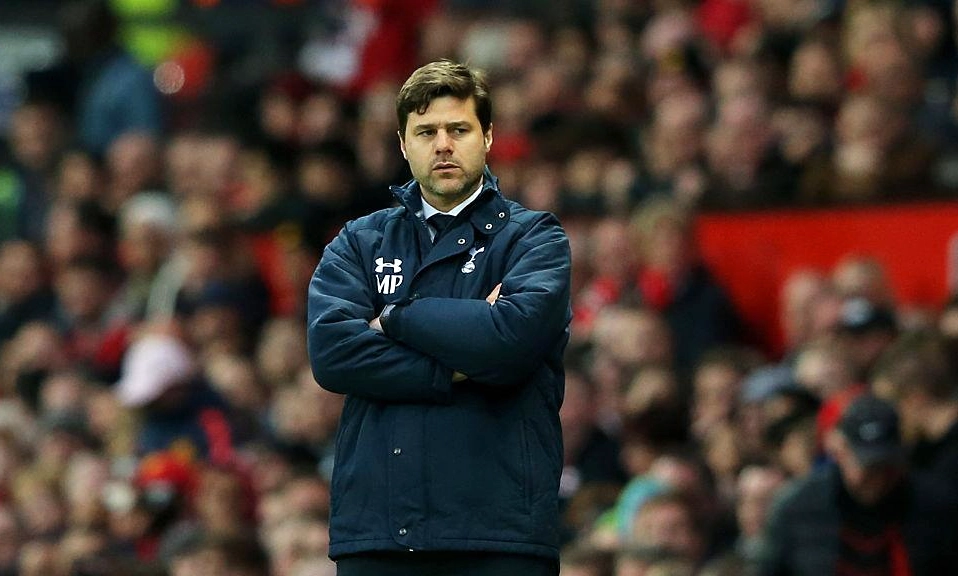
Mauricio Pochettino has arrived at Manchester United with a reputation for developing players, building high-energy teams and creating a clear tactical identity. He has also arrived at one of the most difficult moments in the club’s modern history.
United appointed Pochettino after dismissing Michael Carrick during the club’s worst-ever start to a Premier League season. After 10 matches, United were in the relegation zone. Pochettino’s first match is scheduled to be a major test: an away fixture against Liverpool at Anfield on November 22.
That context makes the appointment both exciting and dangerous. Pochettino can improve the team, but he cannot repair every structural problem in a few training sessions. His success will depend on more than tactics. It will depend on whether United give him a coherent recruitment plan, a balanced squad and enough time to build.
What has Manchester United hired?
United’s official description of Pochettino focused on a high-intensity attacking style, cohesive team-building and individual player development. Those qualities explain the appeal of the appointment.
Pochettino’s best teams have usually been energetic without the ball and aggressive when pressing from the front. They try to recover possession quickly, move the ball forward and create connections between the midfield and attack.
His tactical approach is not based on one fixed formation, but his teams have often used a 4-2-3-1 structure. A Premier League analysis of his Chelsea work highlighted inverted wingers, overlapping full-backs, central attacking combinations, sweeping diagonal passes and aggressive pressing.
That style could give United something they have lacked for long periods: a recognizable way of playing. Even when results are poor, supporters can usually identify what the team is trying to do. The players know where the first press begins, which midfielder covers the full-back and how attacks should develop when opponents defend deeply.
Why Pochettino’s record makes him a credible choice
Pochettino is not arriving as an untested coach. According to the BBC, he had managed 598 matches before taking the United job, winning 292 of them. His clubs included Espanyol, Southampton, Tottenham, Paris Saint-Germain and Chelsea.
His Tottenham period remains the strongest argument for the appointment. Pochettino turned Spurs into a serious Premier League and European team, helped develop several young players and took the club to the 2019 Champions League final. UEFA described that run as Tottenham’s first appearance in the competition’s final.
He also won major domestic honours at Paris Saint-Germain, including Ligue 1 and the Coupe de France. Those achievements matter because they show he can coach a team expected to win rather than only build an underdog.
Pochettino’s career is not flawless. He did not win a major English trophy with Tottenham or Chelsea, and his PSG tenure ended after a relatively short period. But his record shows that he can raise a team’s level, improve young players and compete in demanding environments.
The first challenge is not style. It is stability.
Manchester United have changed managers repeatedly without solving the deeper issues around squad construction and sporting direction. Every new coach brings different preferences, different priorities and different ideas about which players can be trusted.
That cycle makes improvement difficult. A player signed for one manager’s system may become a poor fit under the next manager. A young player may receive minutes under one coach and disappear under another. Recruitment becomes reactive rather than strategic.
Pochettino needs authority, but United also need a structure that protects the club from constant tactical resets. The manager should influence recruitment, but the club must define a long-term profile for the squad. Otherwise, Pochettino could become another temporary solution asked to carry an institutional problem.
His contract runs until the summer of 2029, according to Sky Sports, giving the club an opportunity to think beyond the next result. The important issue is whether that contract represents a genuine rebuilding plan or simply a longer deadline for the same short-term pressure.
What could Pochettino change immediately?
The first improvement should be physical intensity. A Pochettino team must be willing to sprint without the ball, close passing lanes and recover quickly after losing possession.
That demand can expose a squad. Some players may have the technical ability to play for United but lack the fitness, speed or discipline required for an aggressive pressing system. Others may improve simply because their responsibilities become clearer.
The second change should be defensive spacing. Pressing only works when the distances between the forward line, midfield and defence are controlled. If one player presses alone while the rest of the team remains deep, opponents can pass through the gap and attack an exposed defence.
The third change should be role clarity. United need to know which players are responsible for progression, chance creation, defensive coverage and final-third movement. Pochettino has often improved teams by making those responsibilities understandable.
These changes may appear basic, but they are essential. A club cannot compete consistently if its players do not move as a connected unit.
The immediate fixture list offers no quiet introduction
Pochettino’s first six matches include Liverpool away, Sporting away in the Champions League, Brentford at home, Newcastle away, Coventry at home and RB Leipzig at home.
That schedule creates two competing risks. A strong start could create belief and give Pochettino immediate authority. A poor start could intensify pressure before he has had time to understand the squad.
The Liverpool match will attract most of the attention, but it should not define the entire project. A new manager with only a few training sessions cannot install every pressing pattern or solve every weakness. The performance will still matter, especially in effort and organization, but the club must judge the first weeks with more intelligence than simply counting points.
The Champions League fixtures will provide another test. European opponents can expose problems in build-up play and defensive transitions that domestic matches sometimes hide. Pochettino will need a team capable of adapting without abandoning its core principles.
Can he develop United’s younger players?
Player development is one of Pochettino’s strongest selling points. At Tottenham, he helped create an environment in which young players could become central figures rather than emergency substitutes.
That experience matters at United because the club’s best route back to the top may not be buying a completely new starting XI. It may be improving the players already under contract, identifying which young talents can handle elite pressure and moving on from those who cannot.
Development does not mean selecting young players regardless of performance. It means giving them a clear role, preparing them properly and accepting that mistakes are part of growth. A young defender may need protection from difficult matchups. A midfielder may need a stable partner. A forward may need consistent minutes rather than being moved between positions every week.
Pochettino’s approach at Chelsea also showed the limits of development when the squad is too large or unbalanced. The Premier League’s 2023 Chelsea preview noted that he faced a group of 29 players and warned that the squad needed a clearer balance.
United should learn from that example. More players do not automatically create more competition. An oversized squad can make roles unclear and leave players frustrated.
Recruitment will decide whether the rebuild works
No manager can press, coach or motivate a squad into becoming balanced if the squad lacks the necessary profiles.
United need recruitment that supports Pochettino’s football. That likely means players who can run, defend space, receive under pressure and make quick decisions. It also means avoiding signings based only on reputation or short-term availability.
A Pochettino team needs defenders comfortable holding a higher line, midfielders able to cover ground and forwards willing to trigger the press. If the squad contains too many players who prefer slow possession or individual solutions, the tactical plan will break down.
The January transfer window will create temptation. United may want immediate reinforcements, but rushed recruitment can produce another group of players who do not fit the long-term plan. The club should sign a player early only if the need is clear and the profile is right.
Pochettino also needs support when difficult decisions arrive. Restoring United may require selling popular players, reducing the status of expensive signings or choosing a younger player over a more established name. A manager cannot make those decisions effectively if the club reverses course after a few poor results.
What does success look like in the first season?
Success should not be defined only as winning a trophy. United’s starting position is too unstable for a single cup result to provide a complete evaluation.
The first signs of progress should be visible in the team’s habits. United should become harder to play through, more consistent in pressing and more coherent in possession. Players should know their jobs, and performances should stop changing dramatically from one match to the next.
The league position still matters. Manchester United cannot remain near the relegation zone and call the season a success. But improvement should be measured alongside points: chance creation, defensive errors, away performances, fitness levels and the development of young players.
By the end of the first season, supporters should be able to answer three questions. Does the team have a recognizable style? Are the key players improving? Does the squad look more balanced than it did when Pochettino arrived?
If the answer is yes, the rebuild will have a foundation even if United are not yet ready to challenge for the title.
The biggest danger: expecting a miracle
Manchester United’s size creates a problem for every manager. The club is expected to compete for major trophies immediately, yet it also needs a long-term rebuild.
Those expectations can conflict. A manager may need to develop a young player, but a bad result can make that decision look reckless. He may need to remove a senior player from the starting XI, but a short-term injury crisis can force him back into the team. He may need patience in possession, while the crowd demands faster attacking football.
Pochettino has managed large clubs before, so he understands pressure. But United’s global attention makes every tactical decision part of a wider debate. The club must create enough stability for him to work through setbacks without turning every difficult week into a new managerial crisis.
The first few matches will generate excitement, but the real test will come after the initial emotional lift fades. Can the team maintain intensity in January? Can it respond after a disappointing defeat? Can the manager keep the squad together when some players lose their place?
Those answers will matter more than a strong first result at Anfield.
Can Pochettino restore Manchester United?
Yes, but only if “restore” is defined realistically.
Pochettino can restore a sense of identity. He can make the team fitter, more aggressive and more connected. He can improve young players and create a squad that plays with clearer purpose. His Tottenham record shows that he can build a competitive team even when the club is not operating with the same resources as the richest rivals.
But he cannot restore United alone. The club must align ownership, executives, recruitment and coaching. It must avoid signing players who do not fit the system and must resist the urge to judge the project after every difficult result.
The appointment is promising because Pochettino’s strengths match several of United’s needs. His pressing football could give the side energy. His development record could help unlock players who have stagnated. His experience in England means he understands the league and the level of scrutiny.
The appointment is risky because United have already gone through too many resets. If the club wants a new era, it must act like one. That means giving Pochettino a clear mandate, a balanced squad and enough time to build.
The first match against Liverpool will introduce the new manager. The real restoration project will take much longer.