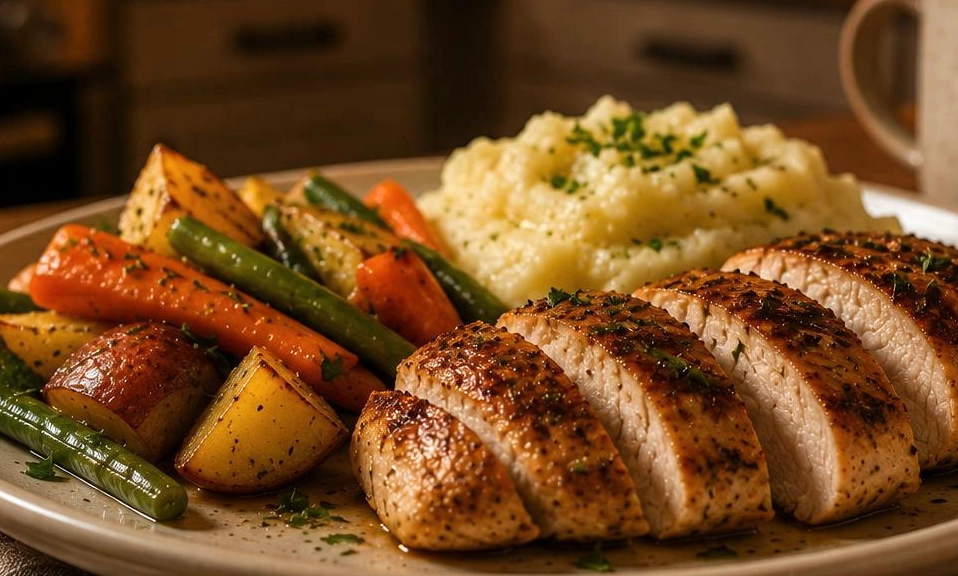
For years, the story of modern food was a story of convenience. Meal kits, ready meals, delivery apps, and ultra-processed shortcuts promised to free us from the kitchen. But in 2026, a quiet counter-revolution is underway. People are returning to the stove—not out of nostalgia, but out of a growing desire for control, connection, and food that actually tastes like something. The homemade food comeback is real, and it is reshaping how we shop, cook, and eat.
The data is striking. Searches for “cooking from scratch” have risen 38% year-over-year, while sales of stand mixers, Dutch ovens, and bread makers have climbed steadily since 2024. Grocery stores report a surge in sales of raw ingredients—flour, dried beans, whole spices—even as sales of prepared meals plateau. Social media tells the same story: #cookingfromscratch has over 12 billion views on TikTok, and sourdough starters, fermentation projects, and “weeknight from-scratch” videos have become their own genre.
But why now? What is driving this return to the kitchen? The answers are a mix of economics, health, culture, and something harder to quantify: a desire for meaning in a world that often feels too fast, too automated, and too disconnected from the things that sustain us.
The Health Imperative: Taking Back Control
The first driver is health. Ultra-processed foods now make up nearly 60% of calories in the average American diet, and a growing body of research links them to obesity, cardiovascular disease, type 2 diabetes, and even mental health issues. For many people, cooking from scratch is a direct response—a way to know exactly what is in their food and to reduce their reliance on products designed for shelf life rather than nourishment.
“When you cook from scratch, you control the salt, the sugar, the fat, and the additives,” says Dr. Elena Ramirez, a registered dietitian. “You also control the portion size and the quality of the ingredients. That level of control is empowering, especially for people managing chronic conditions or trying to feed a family well on a budget.”
The trend is particularly strong among younger adults. A 2026 survey found that 68% of Gen Z and Millennials said they are cooking more from scratch than they were two years ago, citing health as their primary motivation. Many are also driven by a desire to avoid specific ingredients—seed oils, artificial sweeteners, preservatives—that have become lightning rods in the ongoing conversation about food and wellness.
The Cost Equation: Scratch Cooking as Inflation Defense
Economics is the second driver. With food prices remaining stubbornly high, many households have discovered that cooking from scratch is one of the most effective ways to reduce their grocery bill. Dried beans cost a fraction of canned. A whole chicken can become several meals plus a stock. Flour, rice, and oats are among the cheapest calories available.
The savings can be substantial. A 2026 analysis by the Wall Street Journal found that a family of four could save $150 to $250 per month by replacing a portion of their prepared and packaged foods with homemade equivalents—baking bread, cooking beans, making yogurt, and preparing simple staples from raw ingredients. For households feeling the squeeze of inflation, that is not a small sum.
But the cost argument goes beyond the grocery bill. Cooking from scratch reduces reliance on delivery apps and takeout, which have become significantly more expensive. It also reduces food waste, because scratch cooks tend to use more of what they buy—stems, peels, bones, and leftovers that might otherwise be discarded.
The Connection Factor: Cooking as Ritual and Relationship
The third driver is harder to quantify but just as powerful: connection. In an age of digital saturation and social fragmentation, cooking from scratch offers something increasingly rare—a tactile, sensory, and inherently social experience.
For many people, cooking is a way to reconnect with family history. Recipes passed down from grandparents, dishes tied to cultural identity, and the simple act of sitting down to a meal that took time and effort to prepare all provide a sense of rootedness. The homemade food comeback is, in part, a comeback of heritage cooking—of the foods that tell us who we are and where we come from.
“Cooking from scratch is an act of care,” says food writer and historian Dr. Marisol Vega. “It is a way of saying to yourself and to the people you feed: you are worth the time. That is a powerful message in a culture that often prioritizes speed over substance.”
There is also a mindfulness dimension. Cooking requires attention—chopping, stirring, tasting, adjusting. It is a form of active meditation, a way to be present in the moment. For people who spend their days in front of screens, the kitchen offers a different kind of engagement: physical, sensory, and satisfying in a way that a delivered meal never quite is.
The Social Media Engine: Inspiration and Community
Social media has played a dual role in the homemade food comeback. On one hand, it has amplified the trend by making scratch cooking visible, aspirational, and accessible. Platforms like TikTok, Instagram, and YouTube are filled with creators who demonstrate that from-scratch cooking does not have to be intimidating—that a loaf of bread, a pot of beans, or a simple pasta dough is within reach of anyone with a few ingredients and a little patience.
On the other hand, social media has also created a backlash against the very convenience culture that dominated the previous decade. The “meal kit fatigue” is real: many people grew tired of the packaging, the cost, and the feeling that they were assembling rather than cooking. Scratch cooking offers the opposite: creativity, flexibility, and the satisfaction of making something from nothing.
The community aspect is important. Online groups dedicated to sourdough baking, fermentation, and batch cooking have hundreds of thousands of members. These communities provide support, troubleshooting, and encouragement—a virtual extension of the village kitchen that once taught people how to cook.
The Challenges: Time, Skill, and Access
None of this is to suggest that cooking from scratch is easy for everyone. Time is the biggest barrier. For people working multiple jobs, caring for children or elders, or living in food deserts with limited access to fresh ingredients, scratch cooking can feel like a luxury rather than a choice.
Skill is another barrier. Many people grew up in households where cooking was not taught, and the idea of making bread or stock from scratch can feel daunting. The good news is that the internet has democratized culinary education. A beginner can learn to cook a simple meal, bake a loaf of bread, or make a pot of beans with nothing more than a smartphone and a willingness to try.
Access is the third barrier. Not everyone lives near a grocery store with affordable, fresh ingredients. Food insecurity is a real and persistent problem, and scratch cooking is not a solution to systemic inequality. But for those with the means and the time, the homemade food comeback offers a way to eat better, spend less, and feel more connected to the food on their plate.
The homemade food comeback
is not a rejection of convenience. It is a recalibration. People are not abandoning modern life; they are rediscovering the value of doing some things the slower way. They are baking bread not because they have to, but because it feels good. They are cooking beans not because they cannot afford canned, but because they taste better and they know exactly what is in them. They are sitting down to meals that took time, effort, and care—and finding that the effort is part of the reward.
In a world that often feels too fast, too automated, and too disconnected, the kitchen offers something precious: a place to slow down, to create, to nourish, and to connect. The homemade food comeback is not a trend. It is a return to something fundamental—a recognition that food is not just fuel, but a way of life.