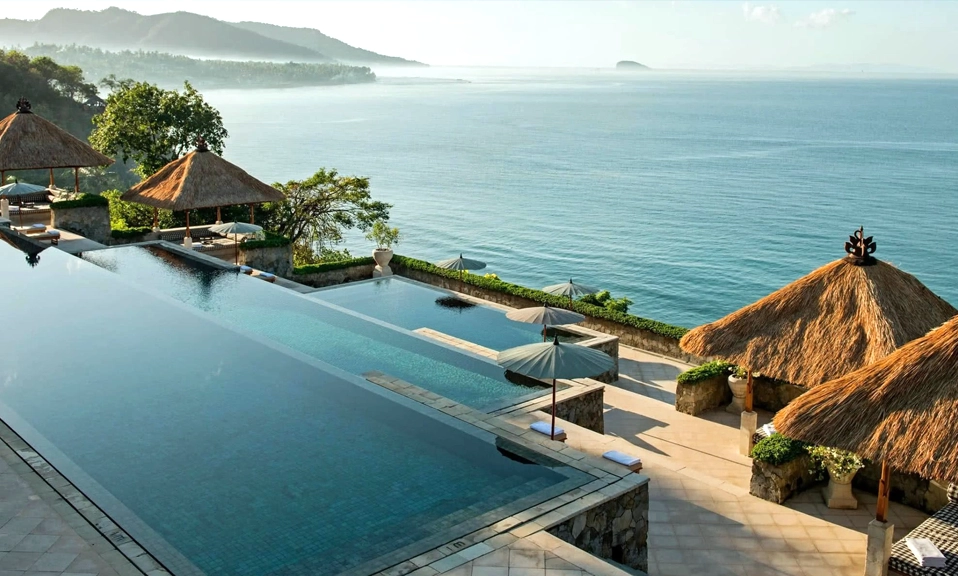
The world’s biggest hotel groups are not just adding rooms. They are making a calculated bet that luxury travel is no longer a niche—it is the most resilient, highest-yielding, and fastest-growing segment of the global hospitality industry. The numbers, the pipelines, and the shifting expectations of the modern affluent traveler all point in the same direction: the future of hotels is increasingly written in high thread counts and personalized experiences, not budget rooms and standardised service.
The scale of the expansion is staggering. Accor has announced plans to open approximately 350 new hotels, resorts, and hospitality offerings in 2026 alone, spanning more than 45 brands across established and emerging markets. Hyatt has a luxury pipeline of more than 170 hotels representing 141,000 rooms globally. Marriott International ended 2025 with approximately 610,000 rooms in its global pipeline, up 5.7% year-on-year, and signed around 1,200 organic deals representing 163,000 rooms. These are not incremental additions. They are a fundamental reallocation of capital toward the top end of the market.
The Market: Growth That Outpaces the Rest
The luxury hotel market is not just growing. It is outperforming. The global luxury hotel market was valued at $118.5 billion in 2026**, and is projected to reach **$143.19 billion by 2030 at a compound annual growth rate of 4.8%. Other analyses place the growth even higher—Grand View Research estimates the market will reach $196.70 billion by 2033, growing at a CAGR of 7.5%.
The demand data reinforces this trajectory. CBRE’s Luxury Hotel Market report found that luxury assets are outperforming the wider sector, with demand growing at a 2.9% CAGR since 2019—more than twice the broader hotel market’s 1.3%. In Australia, luxury represented approximately 33% of all rooms delivered since 2020, and Sydney’s luxury hotels are achieving an average daily rate of $450 with 85% occupancy.
The high end is driving the industry. Virtuoso, the luxury travel advisor network, reports that bookings at hotels charging $1,500 or more per night have increased 37%**—more than **twice the growth rate** recorded by lower-priced properties. Luxury international hotels within the network now average **$1,653 per night, up from $985 in 2019. The message from the market is unambiguous: the affluent traveler is not slowing down.
Why the Brands Are Expanding: Four Structural Shifts
The expansion is not a reaction to a single trend. It is a response to four structural shifts that are reshaping the economics of the hotel industry.
The premiumisation of travel. Affluent travelers are not just spending more. They are prioritizing privacy, authenticity, local culture, and wellness over opulent formality. The luxury hotel is no longer a place to sleep in a nice room. It is a destination in itself—a space designed to deliver emotional value, a sense of exclusivity, and a connection to place that cannot be replicated by a standardised property. Brands are expanding because the demand for this kind of experience is growing faster than the supply of properties that can deliver it.
The rise of the experience-led traveler. Nearly half of travelers now define luxury through tailored experiences, not physical amenities. They want private cultural immersions, curated wellness programs, destination dining, and bespoke itineraries—and they are willing to pay a premium for them. Hotels are responding by investing in personalization through guest data, dedicated concierges, and flexible service models that adapt to individual preferences. The luxury hotel is becoming a platform for experience curation, and the brands that can deliver that at scale are the ones expanding most aggressively.
The wealth effect. Rising wealth creation in technology, finance, entrepreneurship, and professional services has expanded the global base of consumers with discretionary income for premium travel. At the same time, a fast-growing affluent middle class in emerging economies is trading up from upper-midscale hotels to luxury stays for milestone trips and family vacations. These travelers are less price-sensitive, travel more frequently, and tend to extend their length of stay—directly lifting average daily rates and revenue per available room. The luxury hotel market is no longer dependent on a narrow elite. It is drawing from a much broader pool of high-spending consumers.
The convergence of hospitality and real estate. Luxury hotels are increasingly part of mixed-use developments that combine hotels, branded residences, retail, and wellness facilities. This model spreads risk, creates multiple revenue streams, and allows developers to capture value from the growing demand for branded living—the desire to own a piece of the lifestyle that a luxury hotel represents. The hotel is no longer just a hospitality asset. It is an anchor for a broader real estate proposition.
The Strategies: Conversions, Collections, and New Frontiers
The expansion is not happening in a uniform way. Different brands are pursuing different strategies, each shaped by their strengths and the markets they are targeting.
Conversions are the fastest path to growth. Marriott has made conversions a structural growth lever: around 400 conversion deals covering 50,800+ rooms accounted for more than 30% of annual organic room signings, and approximately 75% of conversion openings were delivered within 12 months of signing. This is a capital-efficient way to expand: instead of building from scratch, the brands take over existing properties, rebrand them, and plug them into their loyalty and distribution networks. It is faster, cheaper, and less risky than ground-up development.
Collections are capturing the independent spirit. The Luxury Collection, Design Hotels, and The Unbound Collection by Hyatt are expanding by bringing independent, design-led properties into their networks. Design Hotels signed its largest portfolio expansion to date—18 hotels operated by Palisociety, spanning 10 U.S. destinations and more than 1,000 rooms. This allows the brands to offer the authenticity and individuality that modern luxury travelers crave, while still providing the distribution, loyalty, and operational support that independent hotels need.
New frontiers are opening. The expansion is not confined to traditional luxury markets. Marriott is debuting the JW Marriott in Nepal and the St. Regis in New Zealand (opening late 2027). Hyatt is opening Miraval The Red Sea in Saudi Arabia—the brand’s first resort outside the United States. Accor is expanding in Armenia, Montenegro, and Egypt, and is bringing Raffles to Jeddah and the Red Sea. The luxury hotel map is being redrawn, and the new frontiers are as much about emerging wealth as they are about traditional tourism hubs.
Wellness is becoming a core pillar. The Miraval brand—which Hyatt describes as reflecting “increasing demand for personalized, transformative travel”—is opening its first international resort. The property in Saudi Arabia will offer 180 guestrooms, dedicated wellness programming, and the largest spa in the Red Sea destination. Wellness is no longer a spa add-on. It is a primary reason why guests choose one luxury property over another.
The Challenges: Geopolitics, Talent, and the Authenticity Trap
The expansion is not without risk. The luxury hotel industry is exposed to forces that no amount of brand strength can fully control.
Geopolitical instability is a real headwind. Marriott reported that room revenue from the Middle East and Africa region was down 5.3% in the third quarter of 2026, while the US and Canada rose 7.4%. Hilton warned that the Middle East conflict was weighing on its fourth-quarter results. The expansion into new frontiers is, in part, a hedge against regional volatility—but it also exposes brands to new risks.
Talent and operational complexity are growing challenges. A luxury hotel is only as good as the people who run it, and the supply of experienced luxury hospitality professionals is not expanding as fast as the pipeline of new properties. The brands that can recruit, train, and retain the best people will have a structural advantage.
The authenticity trap is perhaps the subtlest risk. As luxury brands expand into new markets, they must avoid the trap of homogenisation—the risk that every property starts to feel the same, regardless of where it is. The modern luxury traveler is seeking a stronger sense of place, not a branded bubble. The brands that succeed will be those that can honour local culture, design, and craft while still delivering the consistency and service standards that their guests expect.
The rise of luxury hotels
is not a cyclical boom. It is a structural reorientation of the global hospitality industry toward the highest-value segment of the market. The demand is broadening—from traditional elites to a new affluent middle class, from older generations to Gen Z, whose per capita spending is forecast to increase by 28% between 2024 and 2030. The brands are responding with record pipelines, conversion-led growth, and a focus on wellness, experience, and authenticity that reflects what modern luxury travelers actually want.
The expansion will not be without setbacks. Geopolitics, talent shortages, and the risk of over-supply in some markets will test the industry. But the direction of travel is clear. The world’s biggest hotel groups are not betting on more rooms. They are betting on better rooms, better experiences, and the enduring human desire for something exceptional. And on the evidence of 2026, that is a bet worth making.