There’s a new sound creeping into the music industry, and it isn’t a new genre or a fresh beat. It’s the hum of a server farm.
In 2026, the music industry is facing an existential reckoning that the film and publishing industries saw a decade ago. Artificial Intelligence can now generate a fully produced, radio-ready pop song in under 60 seconds—complete with vocals, harmonies, instrumentation, and mastering. For a few cents, anyone can summon a track that sounds like Drake, Taylor Swift, or The Weeknd.
And the streaming platforms? They’ve been drowning in them.
Last year alone, Spotify reported removing over 50,000 AI-generated tracks per day from its platform. The floodgates weren’t just open; they had been ripped off their hinges.
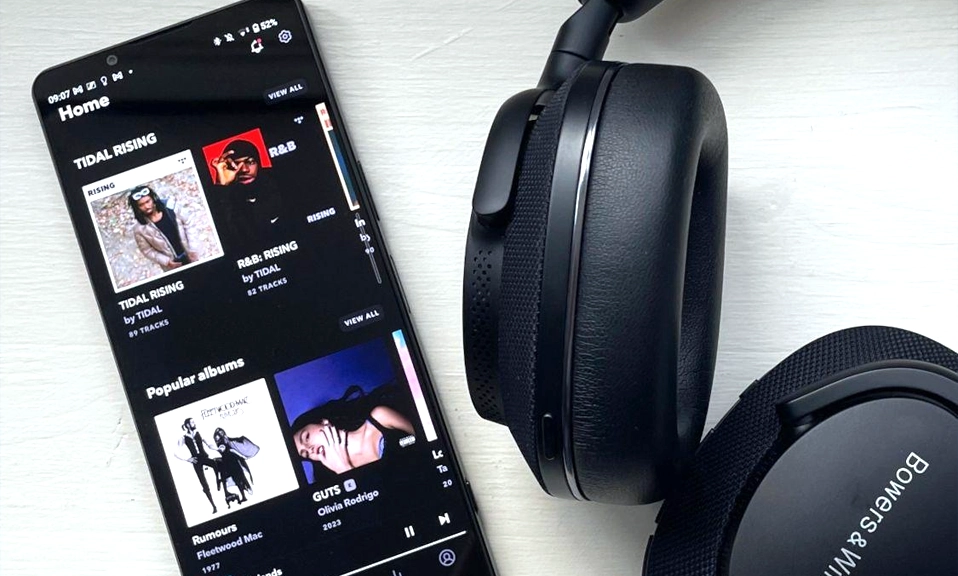
But one platform has decided to draw a line in the sand. Tidal, the artist-owned streaming service, has emerged as the most vocal opponent of unchecked AI music, rolling out policies, payment structures, and industry coalitions designed to protect human creators.
The question is: Can Tidal’s resistance actually stop the AI tide? Or is the music industry heading toward a future where human artistry becomes a premium luxury in a sea of algorithmic content?
Let’s break down what’s happening, why it matters, and what it means for the future of music.
🌊 1. The Flood: How AI Music Broke Streaming
To understand Tidal’s stance, you have to understand the scale of the problem.
AI music generators like Suno, Udio, and dozens of lesser-known tools have made it trivially easy to create music. The barrier to entry—years of practice, expensive studio time, musical knowledge—has been reduced to a text prompt.
The result has been catastrophic for streaming economics:
- The 100,000 Tracks Per Day Problem: Streaming platforms are being inundated with AI-generated content, much of it designed to game the algorithm. Functional music (lo-fi beats, sleep sounds, workout mixes) created by AI floods playlists, siphoning royalties away from human artists.
- The Voice Cloning Crisis: AI tools can now clone an artist’s voice with terrifying accuracy. Unauthorized “AI Drake” and “AI Rihanna” tracks have gone viral, creating legal nightmares and diluting the value of an artist’s actual brand.
- The Royalty Dilution: Streaming royalties are divided based on share of total streams. When billions of AI-generated streams enter the pool, the per-stream payout for human artists shrinks. It’s simple math: more tracks, same revenue pot, smaller slices for everyone.
For independent and mid-tier artists already struggling to make a living, this isn’t just an annoyance. It’s an economic threat.
🛡️ 2. Tidal’s Counterattack: What They’re Actually Doing
Tidal has positioned itself as the anti-AI-flood platform, rolling out several key initiatives:
1. The Artist-Centric Payment Model Tidal restructured its royalty payouts to prioritize “professional artists” over anonymous, high-volume uploaders. Under this model, subscribers’ money goes more directly to the artists they actually listen to, rather than being diluted across millions of AI-generated tracks that nobody intentionally chose.
2. Strict AI Disclosure Requirements Tidal now requires explicit labeling of any AI-generated or AI-assisted content. Tracks that use AI voice cloning or fully synthetic generation must be clearly marked, giving listeners the choice to support human-made music.
3. Coalition Building Tidal has been a vocal member of industry coalitions pushing for legislation that protects artists’ voices and likenesses from unauthorized AI use. They’ve lobbied for “name and likeness” rights that would make it illegal to use AI to replicate an artist’s voice without consent and compensation.
4. Human-Curation Focus While competitors lean into algorithmic playlists that AI can easily infiltrate, Tidal has doubled down on human-curated editorial playlists, artist interviews, and exclusive content that AI cannot replicate.
🎹 3. The Nuance: Not All AI Music Is the Enemy
Here’s where the conversation gets complicated. Because AI isn’t just a threat—it’s also a tool.
Many working musicians are already using AI in their creative process:
- Demixing and Remastering: AI tools can isolate vocals from old recordings, allowing for remixes and restoration of classic tracks.
- Composition Assistance: Producers use AI to generate melody ideas, chord progressions, or drum patterns as starting points for their own work.
- Accessibility: AI music tools allow people with physical disabilities or limited musical training to express themselves creatively.
The question isn’t whether AI should exist in music. It’s where the line is drawn between AI as a tool that enhances human creativity, and AI as a replacement for human creativity.
Tidal’s stance seems to be: AI-assisted music is fine. AI-replaced music is the problem. But enforcing that distinction is incredibly difficult.
⚖️ 4. The Legal Battlefield: Copyright, Voice Rights, and Training Data
The biggest unresolved question in AI music is the legal one. And it’s a mess.
The Training Data Problem: Most AI music models were trained on millions of copyrighted songs—without permission, credit, or compensation to the original artists. When an AI generates a new song, it’s arguably creating a derivative work based on the labor of thousands of musicians who never consented to be part of the training set.
Several class-action lawsuits are currently working their way through the courts, with artists arguing that AI companies have committed massive copyright infringement. The outcomes of these cases will reshape the industry.
Voice Likeness Rights: In 2024, Tennessee passed the “ELVIS Act,” protecting artists’ voices from unauthorized AI use. Other states and countries are following suit. But enforcement is a nightmare. How do you police a global internet where anyone can generate a fake “Beyoncé” track in their bedroom?
Tidal is pushing for a licensing framework where AI companies must pay to use artists’ voices and styles, similar to how radio stations pay performance royalties. But the AI companies are fighting back, arguing that training on copyrighted material is “fair use.”
🔮 5. What Does the Future Look Like?
If Tidal’s resistance succeeds, we could see a bifurcated music industry:
Scenario A: The Human Premium AI music becomes the background noise of the internet—functional, generic, and cheap. Human-made music becomes a premium product, valued for its authenticity, story, and emotional connection. Artists build direct relationships with fans through live shows, merch, and exclusive content, with streaming as just one revenue stream among many.
Scenario B: The Algorithmic Takeover AI music becomes so good, so personalized, and so cheap that most listeners can’t tell the difference (or don’t care). Streaming platforms become dominated by AI-generated content tailored to individual moods and activities. Human artists become niche creators, catering to audiences who specifically seek out “real” music, similar to how handmade crafts exist alongside mass-produced goods today.
Scenario C: The Hybrid Model Most likely, we’ll see a blend. AI tools become standard in music production, but the “face” of the music—the performer, the songwriter, the storyteller—remains human. Listeners care about the artist’s story, their live performances, and their cultural impact, not just the audio file.
🎤 Music Is More Than Sound
Tidal’s fight against AI music isn’t just about protecting royalties. It’s about protecting the fundamental nature of what makes music meaningful.
Music isn’t just organized sound. It’s human experience encoded in melody and rhythm. It’s the sound of someone’s heartbreak, their joy, their political anger, their cultural identity. When you listen to a great song, you’re connecting with another human being across time and space.
AI can replicate the sound. But it cannot replicate the story.
The question is whether listeners will continue to care about that story, or whether they’ll settle for the algorithmic approximation. Tidal is betting that authenticity still matters. The next few years will tell us if they’re right.
Do you care whether the music you listen to is made by a human or generated by AI? Have you ever been surprised to learn a track was AI-generated? And do you think Tidal’s artist-first approach can survive in a market dominated by Spotify and Apple Music?