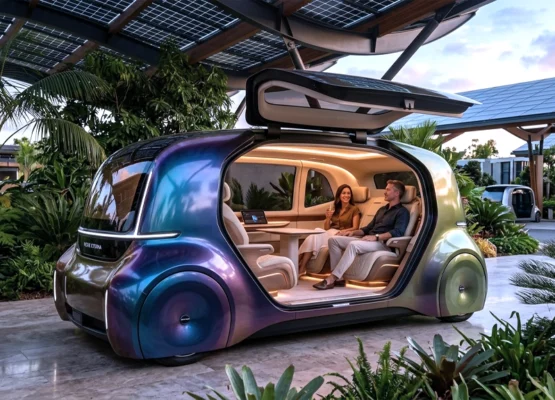
The EV revolution was supposed to be a straight line. Instead, it’s taken a sharp detour — straight through the hybrid lot.
In 2024, analysts predicted that battery-electric vehicles would dominate the road by 2030. In 2026, the data tells a very different story. Hybrid sales are surging, EV demand is cooling in key markets, and automakers are quietly rewriting their product roadmaps to bet on the middle ground. This isn’t a temporary blip. It’s a structural shift in how the world buys cars.
Here’s what’s actually happening, and why.
The Numbers Don’t Lie: Hybrids Are Winning
The most striking statistic of 2026: in the first half of the year, hybrid vehicle consideration reached a record high of 22% among new-vehicle shoppers, according to Kelley Blue Book’s Brand Watch report. Meanwhile, EV consideration actually declined — from 11% to just 10% .
That gap is widening fast. Hybrid SUVs are now the clear preference. Non-luxury SUV consideration hit an all-time high of 71%, while sedan consideration dropped to a record-low 25% . Toyota alone accounts for five of the ten most-considered electrified vehicles in the market — and all five are hybrids .
The sales data backs this up. In the second quarter of 2026, hybrid electric vehicles reached a record 16% of all new light-duty vehicle sales in the United States, up from 13% a year earlier. By contrast, battery-electric vehicles fell from 7% to 6%, and plug-in hybrids dropped from 1.9% to 1.4% .
Hybrid sales have climbed more than 80% since 2023, reaching a pace of over 2 million vehicles per year, according to Cox Automotive. In the first quarter of 2026 alone, hybrids made up 14.1% of new vehicle sales — nearly three times as much as EVs .
Why Buyers Are Choosing Hybrids Over EVs
The reasons aren’t mysterious. They’re brutally practical.
Price. Hybrids undercut comparable EVs on sticker price while still delivering strong fuel economy. That matters enormously when the average new vehicle costs about $50,000 and affordability is the top concern for buyers .
Charging anxiety — or just charging inconvenience. If you live in an apartment, rely on street parking, or take frequent long highway trips, a hybrid lets you skip public chargers entirely. You fill up at the gas station like you always have, but burn significantly less fuel .
No lifestyle change required. As one analyst put it: “For a lot of people, hybrids add a layer of fuel savings without changing anything else in their life. I think that’s a heck of a value proposition” . You don’t need to install a home charger. You don’t need to plan road trips around charging stops. You just drive.
And hybrids aren’t boring anymore. The new Honda Prelude is a stylish 200-horsepower hybrid coupe. The Kia Telluride and Toyota Tundra offer hybrid variants. Even the Lamborghini Revuelto pairs a V12 with three electric motors for over 1,000 horsepower . The Prius-era stigma is long gone.
The EV Slowdown: Policy, Prices, and a Post-Peak Dip
To understand why hybrids are surging, you have to understand what happened to EVs.
In September 2025, the $7,500 federal tax credit for electric vehicles expired. The impact was immediate. U.S. EV sales cratered by 27% in the first quarter of 2026 compared to the previous year . Automakers responded by scrapping models and writing off billions in investments. Honda canceled three EV models for the American market and took a $9 billion write-down. Stellantis reported a $26 billion charge. Even Tesla mothballed its Model S and Model X .
The EV slowdown isn’t limited to the U.S. Globally, EV sales growth is projected to hit its lowest rate since the pandemic in 2026 — just 13%, down from 22% in 2025. Europe’s growth has slowed dramatically, and North America’s EV market is shrinking due to incentive rollbacks and charging limitations .
“In mature markets, BEV growth is cooling after periods of rapid growth while full and mild hybrids expand share, providing cost-effective compliance and consumer-friendly range security” . That’s corporate speak for: buyers want electrification without the hassle.
What Automakers Are Doing About It
The industry has pivoted hard. Honda announced plans to launch 15 hybrid models by 2030, with most going on sale in the United States. Hyundai will introduce 10 hybrid models in North America. Toyota — which was criticized for years for being “slow” on EVs — is now reaping the rewards of its hybrid-first strategy .
The competitive landscape is consolidating around a few hybrid leaders. Toyota, Honda, and Hyundai Motor Group now control 86% of the U.S. hybrid car market, according to Baum & Associates . That’s an extraordinary concentration of power in a segment that was once considered a niche.
Meanwhile, hybrids are becoming the default choice in showrooms. A majority of Toyota Highlanders sold earlier this year were hybrids — same with Hyundai Sonatas . The hybrid isn’t the compromise anymore. It’s the main event.
What This Means for the EV Transition
Here’s the uncomfortable truth: the EV transition is happening, but not on the timeline anyone predicted. The future is still electric — the timeline has just shifted .
Hybrids aren’t a rejection of electrification. They’re a bridge. They let consumers reduce emissions and fuel costs without demanding the behavioral changes that full EVs require. For automakers, they provide a way to meet emissions targets without betting the company on charging infrastructure that isn’t there yet.
The data suggests this bridge will be crowded for a while. Hybrid market share is expected to keep climbing, reaching 18.2% in August alone, up 35.5% year over year . EV share, by contrast, remains stuck in the single digits.
The question now isn’t whether hybrids are winning. It’s how long they’ll stay on top — and what happens when the next generation of EVs finally addresses the price and charging barriers that are driving buyers away today.
For now, the answer from the showroom floor is clear. Car buyers want fuel savings without the leap of faith. And hybrids are giving them exactly that.