But Scientists Are Worried About What Comes Next
It looked like a miracle. It might be a warning.
This summer, Britain witnessed something extraordinary. More than 100,000 volunteers armed with notebooks and identification charts fanned out across the country for the Big Butterfly Count, and what they recorded was astonishing: nearly 1.4 million common butterflies and day-flying moths, making 2026 the second-best butterfly season in the 16-year history of the survey.
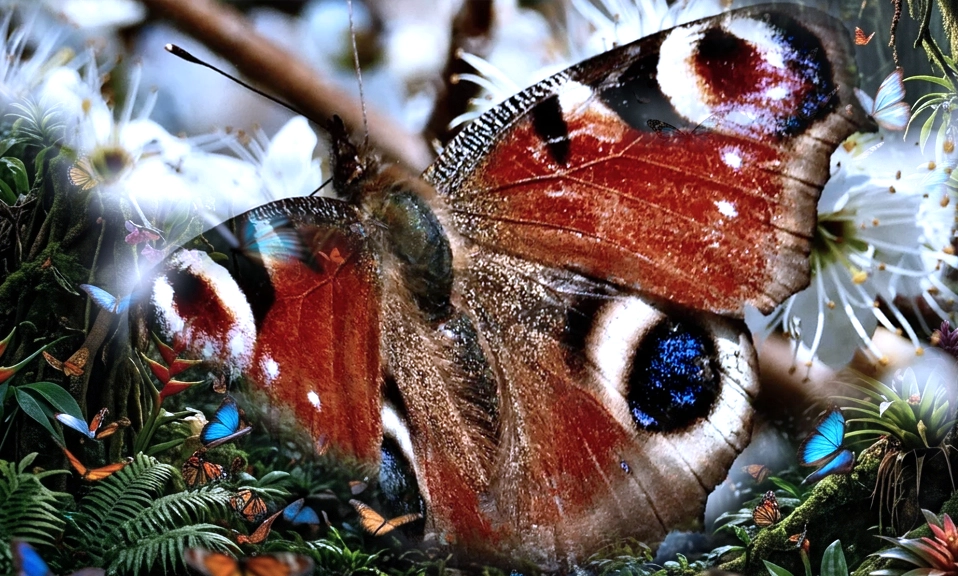
Painted ladies — the migratory species that travels from sub-Saharan Africa in a relay of generations — surged by 335% compared to last year. Holly Blue and Gatekeeper both recorded their best-ever counts. Small Copper had its third-best year.
For anyone who spent the summer watching these delicate creatures drift through gardens and meadows, it felt like nature was finally healing. After decades of decline, after warnings that 80% of Britain’s butterfly species had vanished since the 1970s, here was a summer of abundance.
But the scientists who study these insects aren’t celebrating. They’re bracing for what comes next.
The Summer That Butterflies Loved — and Caterpillars Didn’t
The cause of the boom is simple: heat. Summer 2026 was one of the hottest and driest on record, with five separate heatwaves and more than 70% of England officially declared in drought by August. Adult butterflies thrive in hot, sunny weather. They fly more, feed more, and breed more. The conditions were perfect.
But here’s the problem. A good summer for adult butterflies is not the same as a good summer for butterfly populations.
“What matters far more is what’s happening on the ground, to the butterflies’ caterpillar offspring and the plants they depend on,” said Professor Richard Fox, head of science at Butterfly Conservation. “The very same weather that made it a good year for butterflies — lots of sunshine and very little rain — could mean we’re actually on course for a population crash, which could take years to recover from”.
The logic is brutal once you see it. Butterflies lay eggs. Those eggs hatch into caterpillars. Caterpillars eat plants — grasses, wildflowers, leafy shrubs. Without those plants, caterpillars starve. And this summer, across much of Britain, the plants shrivelled and died in the drought.
The adult butterflies we saw fluttering across the countryside were the product of last year’s caterpillars. Next year’s butterflies will be the product of this year’s caterpillars — the ones that may have perished in the parched soil.
We’ve Been Here Before
This isn’t speculation. Britain has seen this pattern before, and the results were devastating.
After the legendary heatwave of 1976, butterfly populations crashed. The summer of 1995, another excellent year for adult butterflies, was followed by a similar collapse. In both cases, drought was a major factor — the same drought that made adults flourish killed the plants their offspring depended on.
“It’s a real worry,” Fox told the BBC. “Our real worry isn’t this summer, it’s what happens next. We’ve been here before and it’s not good; the extreme droughts in 1976 and 1995 had severe impacts on butterfly populations, with some species never fully recovering”.
The difference now is that butterfly populations are already fragile. Eighty percent of British butterfly species have declined since the 1970s, hammered by habitat loss, pollution, and climate change. A population crash now would hit species that are already struggling to survive.
A Tale of Two Summers
Not every drought is the same, and there’s a glimmer of hope in the details.
Matthew Oates, a naturalist who has kept meticulous butterfly diaries since 1964, points out that the 1976 drought was so catastrophic partly because it followed a year of already-dry weather. The plants had no reserves left. This summer, by contrast, was preceded by a wet winter and a wet week in early June, which may have given grassland foodplants enough moisture to survive.
Oates has been searching for “frazzled butterfly foodplants” in the Cotswolds and Wiltshire and found that key species like horseshoe vetch have survived well, except on south-facing slopes. He’s hopeful that this year won’t produce a crash as severe as 1977.
But “hopeful” is not the same as “confident.” And the broader trend is unmistakable: hot, dry summers are becoming more frequent, and Britain’s butterflies are running out of time to adapt.
The Species Already Losing
Even in a record year, the cracks are visible.
While painted ladies and holly blues thrived, other species struggled. The Small Tortoiseshell had its second-worst year on record and has declined by 66% since the count began. Speckled Wood, Green-veined White, and Ringlet — all species known to be sensitive to drought — were seen in below-average numbers and have declined by 44%, 54%, and 39% respectively since 2011.
This is the paradox of the 2026 butterfly season. The overall numbers look spectacular. But the species that depend on consistent moisture, on lush vegetation, on the kinds of habitats that droughts destroy — those species are already disappearing.
“With increasingly hot, dry summers and droughts predicted to become more and more frequent due to climate breakdown, degraded habitats and already depleted butterfly populations, some species may be pushed further and faster towards extinction,” Fox warned. “They are, quite simply, less resilient to these events, which means we could be looking at very difficult years ahead”.
Why This Matters Beyond Butterflies
It would be easy to file this away as a niche concern — a story about pretty insects and the people who count them. That would be a mistake.
Butterflies are pollinators. They move pollen between plants, helping flowers reproduce, spread, and grow. They’re part of the same fragile web that supports bees, moths, beetles, and the plants that feed everything else — including us. When butterfly populations crash, the effects ripple outward through entire ecosystems.
Butterflies are also indicators. They’re sensitive to changes in temperature, rainfall, and habitat quality. When they thrive, it tells us something about the health of the environment. When they crash, it tells us something too — something we may not want to hear.
The 2026 butterfly boom is, in its own way, a climate story. It’s a story about extreme weather creating conditions that look like abundance on the surface but conceal fragility underneath. It’s a story about the difference between what we see and what’s actually happening. And it’s a story about how the same forces that bring beauty can also bring collapse.
What Happens Next
The Big Butterfly Count results have been published, the volunteers have gone home, and the butterflies of summer 2026 are reaching the end of their lives. The question now is what emerges next spring.
If Oates is right — if the wet winter and early summer rains gave the foodplants enough of a buffer — Britain may escape the worst. There may be a dip, but not a catastrophe. If the drought was more severe than the green patches suggest, next summer could be very quiet indeed.
Either way, the lesson is the same. A single good year doesn’t undo decades of decline. A summer of abundance doesn’t guarantee a future. And the weather that makes butterflies dance across the garden may be the same weather that starves their children.
The butterflies came in their millions this year. Whether they come back is no longer up to them.