7 Features to Know Before Its Expected Launch
Google just confirmed the launch date. October 12, 2026. And the leaks have painted a picture of a fitness tracker that fills a gap nobody else is filling.
For years, the fitness tracker market has been a binary choice. You could buy a screenless band like the Fitbit Air and get long battery life but no display. Or you could buy a full smartwatch like the Pixel Watch and get a screen, apps, and GPS — but pay for it, both in price and in battery life.
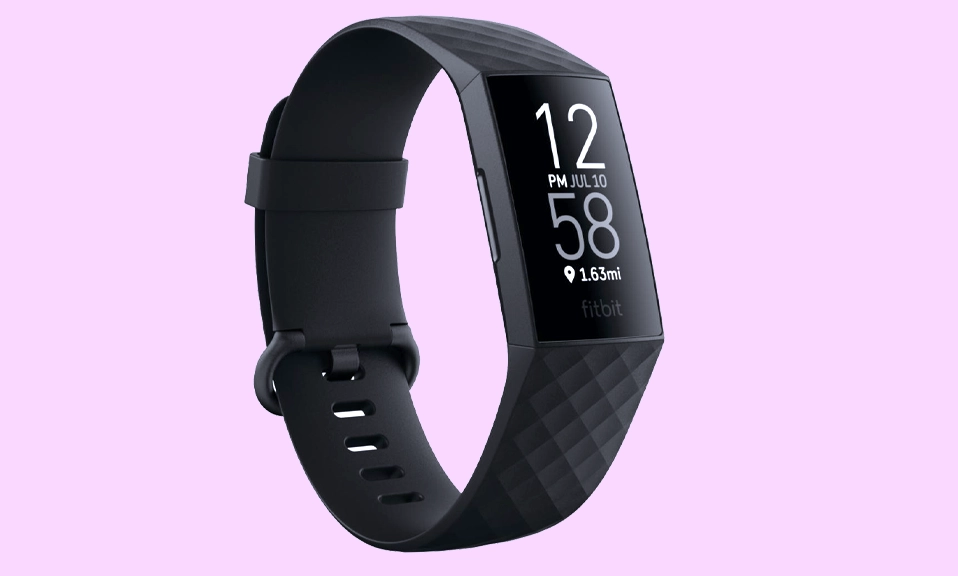
The Fitbit Edge is Google’s answer to that gap. It sits squarely between the Fitbit Air and the Pixel Watch 5, offering a screen, GPS, and serious health tracking without the smartwatch price tag or the smartwatch charging habit. Based on a wave of recent leaks, here are the seven features that make it worth paying attention to.
1. It Has a Screen — and It’s Always-On
The most obvious upgrade over the Fitbit Air is the display. The Edge reportedly features a 1.34-inch AMOLED touchscreen with an always-on display mode. It’s a rectangular screen, not a circular one, which gives it a distinct look compared to the Pixel Watch line.
The always-on mode is a significant addition. Fitness trackers have traditionally sacrificed display functionality for battery life. The Edge is betting that users want to glance at their wrist without pressing a button — and it’s willing to make trade-offs to deliver that experience.
2. Seven Days of Battery Life — With a Replaceable Battery
Battery life is where the Edge genuinely separates itself from smartwatches. Google is reportedly rating it for up to seven days of use without the always-on display, dropping to two days with it enabled.
But the more interesting detail is that the battery is user-replaceable. That’s a rare feature in modern wearables, where batteries are typically sealed inside and degrade over time. A replaceable battery means the Edge could last for years longer than a typical tracker, making it a genuinely more sustainable purchase.
Charging is also fast: the leaks suggest 24 hours of battery life can be added in just five minutes.
3. GPS Is Built In
The Edge includes built-in GPS, meaning you can leave your phone at home and still track outdoor runs, rides, and walks accurately. This is a major step up from the Fitbit Air, which lacks GPS entirely.
The Edge also reportedly includes an altimeter for elevation tracking and a barometer. For hikers and trail runners, that combination matters.
4. It Tracks Almost Everything You Can Think Of
Google is loading the Edge with sensors. According to the leaks, the full tracking suite includes:
Heart rate monitoring and SpO2 (blood oxygen) tracking
ECG capabilities with Atrial Fibrillation detection
Skin temperature sensing
Blood pressure trend and insulin resistance trend tracking
Sleep tracking, cardiac load, and menstrual cycle tracking
VO2 Max and over 40 exercise modes
The blood pressure and insulin resistance trend tracking are particularly notable. These are metrics that typically require more specialized equipment, and their inclusion suggests Google is positioning the Edge as a serious health tool, not just a step counter.
5. Gemini Is Your Personal Coach
The Edge runs Fitbit OS with access to Google Gemini, which powers real-time coaching and personalized fitness programs. This is the feature that could genuinely change how people use a fitness tracker.
Instead of just showing you data, the Edge can interpret it. It can suggest workouts, adjust training plans, and provide feedback based on your activity patterns and health metrics. The leaks also mention support for Google Play, suggesting some level of app integration beyond what traditional Fitbit trackers offered.
6. It Works With iPhone — Unlike the Pixel Watch
This is a quiet but important detail. The Pixel Watch series requires an Android phone for full feature support. The Fitbit Edge reportedly supports both Android (11+) and iOS (16.4+).
That means iPhone users can finally access Google’s health-tracking ecosystem without switching phones. It’s a smart move that dramatically expands the Edge’s potential audience.
7. It’s Priced to Compete — Around $180
The leaks point to a US price of roughly $180, with European pricing at €179 and UK pricing at £159.
That places the Edge above the $99 Fitbit Air but well below the Pixel Watch 5 and most competing smartwatches. It also undercuts the Apple Watch SE by a significant margin, which matters for iPhone users considering a switch.
The Fitbit Edge isn’t
trying to be a smartwatch. It’s trying to be the best fitness tracker you can buy — one with a screen, GPS, serious health sensors, and a battery that lasts a week.
Google’s official teaser says “Get an Edge on your health.” Based on the leaks, that’s not just marketing. The Edge fills a real gap in the market: a tracker that gives you the essentials without the smartwatch baggage.
The launch is October 12, 2026. We’ll know soon whether the leaks are accurate — and whether the Edge is the device that finally makes fitness trackers feel worth upgrading again.