Scroll through social media, listen to any health podcast, or walk down the supplement aisle, and you’ll quickly realize that the wellness industry has entered its “optimization” era.
We are no longer just trying to be healthy; we are trying to be optimized.
In 2026, the biggest wellness trends revolve around biohacking our rest, our nervous systems, and our recovery. The holy trinity of this movement? Sleep Scores, Magnesium, and Cold Plunges.
But with a global wellness market worth trillions, it’s hard to tell where the peer-reviewed science ends and the expensive marketing hype begins. Are these tools actually changing our health, or are they just high-tech placebos?
Let’s separate the fact from the fiction and find out if these three massive trends are actually worth your time, your money, and your energy.
📊 1. Sleep Scores: The Gamification of Rest
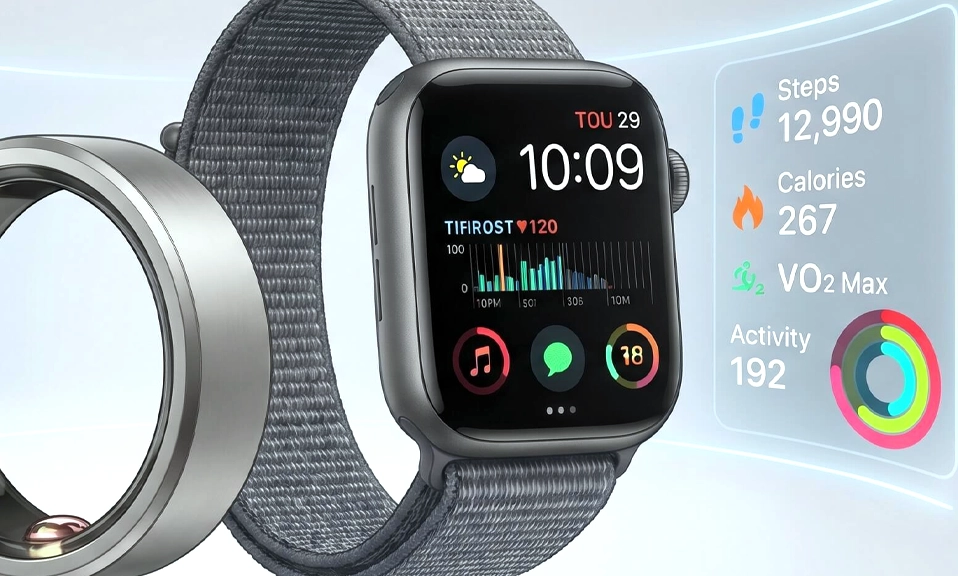
The Trend: Wearing a smart ring (like Oura), a biometric band (like Whoop), or the latest Apple Watch to track your sleep stages, heart rate variability (HRV), and resting heart rate, culminating in a daily “Sleep Score” out of 100.
The Science (The Good): Sleep trackers are incredible tools for building awareness. Before wearables, most people had no idea how much alcohol, late-night scrolling, or a warm room destroyed their rest. Trackers provide immediate, tangible feedback. Seeing your “Deep Sleep” plummet after a late-night glass of wine is a highly effective behavioral modifier.
The Catch (The Bad): Enter a clinical phenomenon called Orthosomnia—an unhealthy obsession with achieving “perfect” sleep data. Many users become so anxious about getting a 100/100 score that the anxiety itself causes insomnia. Furthermore, consumer wearables are not EEG machines. They estimate sleep stages based on movement and heart rate, meaning they can be notoriously inaccurate at distinguishing between light sleep, deep sleep, and REM.
The Verdict: Worth it, with a major caveat. Sleep trackers are fantastic for identifying bad habits. But if you find yourself stressing over a low score, or if you feel tired but your watch says you slept “perfectly,” trust your body, not the band. If the score causes anxiety, take the device off.
💊 2. Magnesium: The “Chill Pill” Mineral
The Trend: Magnesium has exploded from a quiet supplement aisle staple to a mainstream superstar. From fizzy “Natural Calm” powders to topical sprays, gummies, and complex blends, it’s being touted as the ultimate cure for stress, cramps, and insomnia.
The Science (The Good): Unlike some wellness fads, the science behind magnesium is rock solid. This single mineral is a cofactor in over 300 enzymatic reactions in the body. It plays a critical role in regulating the nervous system, relaxing muscles, and activating GABA (the neurotransmitter that calms the brain). Because modern agricultural practices have depleted magnesium from our soil, and processed foods strip it away, a large percentage of the population is genuinely deficient.
The Catch (The Bad): The problem isn’t magnesium; it’s the marketing of the wrong types. Many cheap supplements use Magnesium Oxide, which has a terrible absorption rate and mostly just acts as an expensive laxative. Furthermore, people treat magnesium like a magic eraser for a terrible lifestyle. No amount of magnesium powder will out-supplement chronic sleep deprivation and a diet of ultra-processed foods.
The Verdict: Absolutely worth it, if you buy the right form. Skip the oxide. Look for Magnesium Glycinate (best for sleep and anxiety), Magnesium Threonate (best for brain health and cognition), or Magnesium Malate (best for daytime energy and muscle pain). Take it 30 minutes before bed, and you’ll likely feel the difference.
🧊 3. Cold Plunges: The Ice Bath Obsession
The Trend: Popularized by figures like Wim Hof and podcaster Joe Rogan, cold plunging involves submerging yourself in water between 40°F and 55°F (4°C–13°C) for 2 to 10 minutes. It’s touted for mental toughness, dopamine spikes, and rapid muscle recovery.
The Science (The Good): The physiological benefits of cold exposure are heavily backed by data. Immersing yourself in cold water causes a massive, sustained release of dopamine (up to 250% above baseline) and norepinephrine, which improves mood and focus for hours. It also constricts blood vessels, which is excellent for flushing out metabolic waste and reducing systemic inflammation. Psychologically, forcing yourself into freezing water builds immense mental resilience.
The Catch (The Bad): Timing is everything, and most people get it wrong. If you take a cold plunge immediately after a strength-training workout, the extreme cold blunts the inflammation your muscles need to grow. In short: Ice baths kill your gains. Additionally, cold plunges are dangerous for anyone with underlying cardiovascular issues, and buying a $3,000 plunge tub is a massive financial commitment.
The Verdict: Worth it for mental health and recovery, but skip it post-lifting. You don’t need a $3,000 tub to get the benefits. A 2-minute cold shower at the end of your normal morning shower provides about 80% of the dopamine and resilience benefits for free. If you do use a plunge, wait at least 4 to 6 hours after a heavy workout to avoid blunting muscle growth.
Don’t Optimize the Margins Until the Basics are Fixed
The wellness industry is brilliant at making us feel like we are missing a secret piece of the puzzle. They want you to believe that a $500 smart ring, a $60 bottle of magnesium, and a backyard ice bath are the keys to longevity.
But here is the unsexy truth: None of these trends will save you if your foundational habits are broken.
If you are sleeping 5 hours a night, eating a diet of ultra-processed foods, and never moving your body, no amount of cold plunging will optimize your health.
These 2026 trends are the “1% optimizations.” They are fantastic tools to use after you have mastered the basics. Use sleep trackers to protect your 8 hours of sleep. Use magnesium to enhance an already healthy diet. Use cold showers to build mental grit.
When used correctly, they aren’t just hype—they are powerful tools for a better life.