We’ve all seen the highlight reels. Beautifully staged living rooms, glowing 5-star reviews, and the promise of “passive income” that funds your own vacations. It’s incredibly tempting to look at your spare bedroom, your finished basement, or your beach-adjacent condo and think, “I could totally do this.”
But before you buy luxury linens and write a witty listing description, you need to take a step back.
Turning your space into a short-term rental isn’t just about having a spare room; it’s about running a micro-hospitality business. Some spaces are absolute goldmines, while others are money pits that lead to burnout and bad reviews.
So, how do you know if your property has what it takes? Here is the ultimate 5-point reality check to determine if your space is actually a good fit for Airbnb.
📍 1. The Location Test: Are You Where the Guests Want to Be?
You can have the most beautiful interior in the world, but if your location doesn’t offer convenience or a unique draw, you will struggle to get bookings.
The “Convenience” Draw: If you are in a city or suburb, guests want proximity. Are you within a 15-minute drive (or a short walk) to major attractions, downtown areas, hospitals, or university campuses? Is there easy access to public transit or the airport? If yes, your space is highly attractive to both tourists and business travelers.
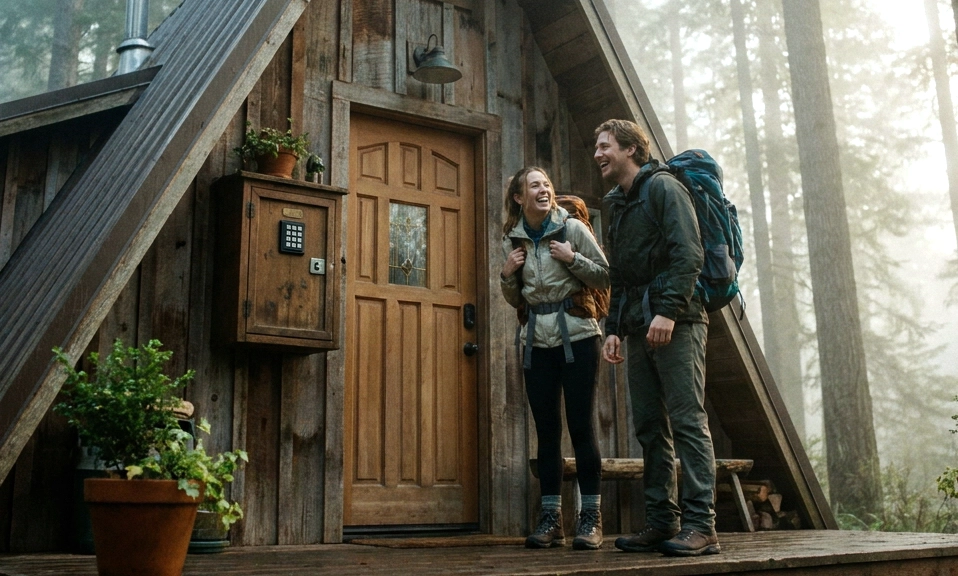
The “Destination” Draw: If you are in a rural or remote area, convenience doesn’t matter, but uniqueness does. Is your space a cozy cabin in the woods, a farmhouse, or a property with a stunning view? Remote locations can do incredibly well, but they must be marketed as a “destination retreat” rather than just a place to sleep.
The Verdict: If you are in a boring suburb with nothing to do for 20 miles, and your house looks exactly like the 50 houses next to it, you might want to rethink it.
🚪 2. The Layout & Privacy Test: Does It Offer a Seamless Stay?
Modern Airbnb guests have high expectations for privacy and convenience. The layout of your space dictates what kind of host you can be.
- Entire Place vs. Private Room: Renting out an “Entire Home/Apartment” almost always yields higher profits and fewer awkward interactions. If you are only renting out a private room in your primary residence, you need to ensure guests have their own lock, a dedicated bathroom (or a very clear, clean sharing arrangement), and a sense of privacy.
- The “Must-Have” Amenities: Does your space have a fully equipped kitchen? A dedicated workspace with an ergonomic chair? (Remote workers make up a massive chunk of Airbnb bookings). Excellent water pressure? If your space lacks these, you will lose bookings to competitors.
- The Entrance: A dedicated, private entrance (like a basement suite with its own door or an ADU/Accessory Dwelling Unit) is the holy grail. It allows for self-check-in and gives both you and the guest total privacy.
📜 3. The Legal & Rulebook Test: Are You Allowed to Do This?
This is the ultimate dealbreaker. Do not skip this step, or you could face massive fines.
- City/County Laws: Many cities have completely banned short-term rentals, while others require expensive permits, licenses, and occupancy taxes. Some only allow you to rent if you are physically present on the property. Check your local municipal zoning laws immediately.
- HOA Rules: If your property is in a Homeowners Association, check your CC&Rs (Covenants, Conditions, and Restrictions). Many HOAs explicitly ban rentals of less than 30 or 60 days.
- Your Lease & Mortgage: If you are renting your home, your lease almost certainly prohibits subletting without the landlord’s explicit, written permission. Furthermore, some standard residential mortgages have clauses against using the property for commercial purposes.
The Verdict: If the law, your HOA, or your landlord says no, the conversation ends here. Do not risk eviction or legal action.
🧮 4. The Financial Test: Does the Math Actually Work?
Revenue is not profit. Many new hosts look at the average nightly rate in their area, multiply it by 30 days, and see dollar signs. But the reality of the math is much different.
To see if your space is financially viable, you need to calculate your Net Operating Income.
- Subtract the Fixed Costs: Your mortgage/rent, property taxes, and insurance (you will need specialized short-term rental insurance).
- Subtract the Variable Costs: Utilities (water, electric, and internet will spike), cleaning fees, restocking supplies (toilet paper, coffee, soap), and minor maintenance.
- Subtract the Platform Fees: Airbnb takes a host service fee (usually around 3%).
- Subtract the Furnishing Cost: You need to amortize the cost of outfitting the space (furniture, linens, kitchenware) over the first year.
The Verdict: Use the Airbnb “Earnings Estimator” tool and look at the “Comps” (comparable listings) in your area. If the estimated profit is less than what you’d make by just renting the space to a long-term tenant on a 12-month lease, the hassle of Airbnb might not be worth it.
🧹 5. The Lifestyle Test: Are You a Good Fit?
Finally, you have to ask yourself if you are cut out to be a host. Airbnb is not passive income; it is active hospitality.
- The 2 AM Test: Are you okay with getting a message at 2:00 AM because the guest can’t figure out the smart lock?
- The Wear-and-Tear Test: Are you okay with strangers walking around your space, potentially spilling wine on the rug, or using your favorite coffee mugs?
- The Turnover Test: Can you reliably clean the space, do the laundry, and restock supplies between a 10:00 AM checkout and a 3:00 PM check-in? (Or, can you afford to pay a reliable cleaner to do it?)
If the idea of managing all this gives you hives, you can hire a property manager—but be aware that they typically take 15% to 25% of your gross revenue, which eats heavily into your profits.
It’s a Business, Not Just a Side Hustle
Is your space a good fit for Airbnb?
If you have a legal, well-located property with a great layout, and the financial math shows a solid profit margin over a long-term rental, then yes. You have a fantastic opportunity to build a lucrative business.
But if you are doing it just because you saw a viral video about easy money, or if your space is in a restricted zone with a clunky layout, you might be setting yourself up for stress and financial loss.
Treat your space like the business it is. Do the research, run the numbers, and be honest about your own bandwidth. If it’s a fit, you’ll be rewarded with a great income and guests from all over the world. If it’s not, you’ll save yourself a massive headache.