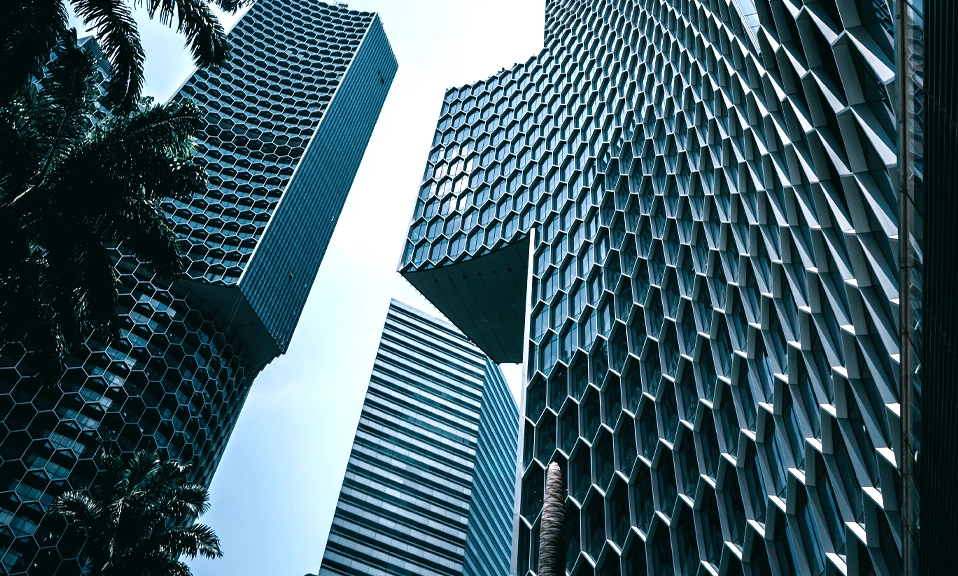
Imagine driving down a pristine, 20-lane highway. The streetlights are modern, the architecture is gleaming, and the parks are perfectly manicured.
There’s just one problem: there are no cars. No pedestrians. No shops. No life.
Welcome to the phenomenon of the “ghost city”—or, as urban planners prefer to call them, “prematurely built megacities.” From the sweeping, empty boulevards of Naypyidaw, Myanmar, to the futuristic, under-construction desert sprawl of Saudi Arabia’s NEOM, and the sinking-capital escape plan of Indonesia’s Nusantara, countries around the world are spending hundreds of billions of dollars to build massive urban centers that sit largely empty.
It seems like a colossal waste of money. But behind these eerie, silent metropolises lies a complex mix of economic strategy, political ambition, and survival.
Here is the hidden logic behind why governments are building cities for millions, when only thousands (or none) actually live there.
1. The Pivot: Escaping the “Resource Curse” 🛢️
For decades, countries rich in a single resource (like oil) have suffered from the “resource curse”—their economies become entirely dependent on one volatile commodity, leaving them vulnerable to global price crashes.
Building a massive, futuristic city is a highly visible way to force economic diversification.
- The Example: Saudi Arabia’s NEOM (and its linear city, “The Line”) is a $500 billion+ project designed to pivot the kingdom away from oil dependence toward tourism, technology, and renewable energy.
- The Logic: Even if the city is empty today, the construction itself creates jobs, attracts foreign contractors, and signals to global investors that the country is “open for business” and modernizing.
2. The Power Move: Political Legacy and Control 🏛️
Sometimes, a new city isn’t about economics; it’s about ego, legacy, and political control.
When a leader wants to break from a troubled past or consolidate power, building a brand-new capital from scratch is the ultimate reset button.
- The Example: Naypyidaw, Myanmar. In 2005, the military junta abruptly moved the capital from the bustling, protest-prone city of Yangon to a newly built, sprawling city in the jungle. It features 20-lane highways and massive government complexes, but a fraction of the population needed to fill it.
- The Logic: A new, isolated capital is easier to secure, harder for protesters to reach, and serves as a permanent, concrete monument to the leader who built it. (Indonesia is currently doing a similar, albeit more climate-driven, move with Nusantara, replacing the sinking, congested Jakarta).
3. The GDP Illusion: Construction as Economic Theater 📈
In some countries, particularly those with state-driven economies, the act of building is the economic goal.
Local governments are often evaluated on their ability to generate GDP growth and attract investment. Real estate and infrastructure development are the fastest ways to inflate those numbers.
- The Example: China’s Ordos Kangbashi. Built in the Inner Mongolia region in the 2000s, it was designed for a million people but sat largely empty for over a decade, earning the “ghost city” moniker.
- The Logic: Local officials secure loans from state banks to build infrastructure. The construction boosts local GDP, creates short-term employment, and allows officials to meet their growth quotas. Whether people actually move in is often a secondary concern to the immediate financial metrics.
4. The Climate Retreat: Running from Rising Tides 🌊
Not all empty cities are born of vanity or economic theater. Some are born of pure, existential necessity.
As climate change accelerates, some existing megacities are becoming uninhabitable due to sinking land, rising sea levels, or extreme heat.
- The Example: Nusantara, Indonesia. Jakarta is sinking at an alarming rate (up to 25cm per year in some areas) and is choked by traffic and pollution. The government is spending $32 billion to build a “smart, green” forest city on the island of Borneo.
- The Logic: You can’t fix a sinking, congested megacity of 10 million people overnight. You have to build the lifeboat before the ship goes down, even if it means the lifeboat sits half-empty while the transition slowly occurs.
The “Field of Dreams” Fallacy: Why They Often Fail 🏗️
The underlying philosophy of these megaprojects is the “Field of Dreams” fallacy: If you build it, they will come.
But urban history shows that cities are not built; they grow. Successful cities like London, Tokyo, or New York evolved organically over centuries, developing complex ecosystems of jobs, culture, transit, and community.
When governments try to shortcut this process, they often hit a wall:
- No Organic Jobs: A pretty apartment means nothing if there are no businesses, factories, or industries nearby to employ the residents.
- The Culture Void: You cannot mandate “vibrant street life.” Without organic communities, these cities feel sterile, driving away the very creatives and young professionals they aim to attract.
- The Debt Trap: When the expected population doesn’t materialize, the massive debts taken on to build the city become a crushing burden on the national economy (a key factor in several global debt crises).
A High-Stakes Gamble
Building a city from scratch is the ultimate high-stakes gamble.
For every spectacular failure (like the abandoned, debt-ridden Forest City in Malaysia), there is a slow-burn success story. (Dubai was largely dismissed as a “ghost city” fantasy in the 1990s before it became a global hub, and China’s Ordos is slowly filling up as schools and hospitals finally attract families).
The cities that will eventually succeed won’t be the ones with the flashiest architecture or the widest highways. They will be the ones that figure out how to cultivate the one thing you can’t pour concrete over: a reason for human beings to actually want to live there.
Until then, we will keep watching these gleaming, silent monuments to human ambition, waiting for the lights to turn on.
Would you ever move to a brand-new, futuristic “megacity” if it meant high-paying jobs but zero established culture? Or do you prefer the messy, organic chaos of an old city?