There’s a reason you instinctively step outside when you’re stressed. A reason a walk through a park can untangle a knot in your chest that hours of overthinking couldn’t loosen. A reason hospital patients with a view of trees recover faster than those staring at a brick wall.
We are not separate from nature. We are made of it. And when we’ve spent too long indoors, under fluorescent lights, staring at screens, something in us quietly begins to wither.
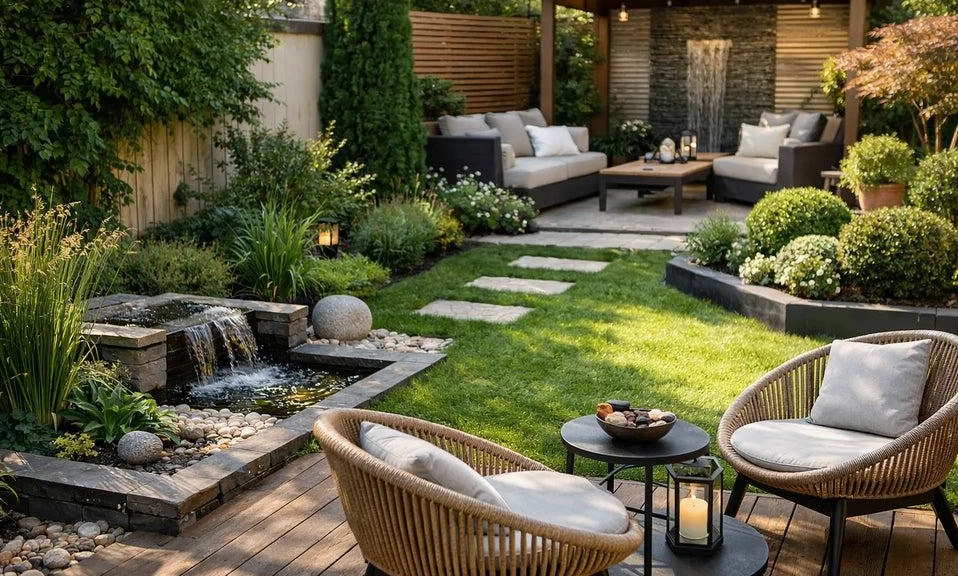
Wellness gardening is the intentional practice of designing and tending a garden not just for beauty or food, but as a sanctuary for your nervous system. It’s the understanding that your outdoor space can be more than a project or a photo opportunity—it can be a place that actively lowers your cortisol, slows your heart rate, and helps you feel like yourself again.
If you’ve been feeling stretched thin, anxious, or simply disconnected, this is your guide to creating a garden that heals.
🧠 The Science: Why Gardens Actually Make Us Feel Better
Before we dig into the design, let’s look at what decades of research now confirm:
- Cortisol reduction: A Dutch study found that just 30 minutes of gardening lowered cortisol levels more effectively than 30 minutes of indoor reading.
- Attention restoration: Psychologists Rachel and Stephen Kaplan developed “Attention Restoration Theory,” which explains that natural environments engage our “soft fascination”—a gentle, effortless attention that allows the directed-focus parts of our brain to recover.
- Microbiome connection: The soil bacterium Mycobacterium vaccae has been shown in studies to stimulate serotonin production in the brain. Literally digging in dirt may make you happier.
- Heart rate variability: Time spent in green spaces improves HRV—a key marker of resilience to stress.
- Sleep quality: Exposure to natural light during the day (especially morning light in the garden) regulates circadian rhythms and improves sleep at night.
Your garden isn’t a luxury. It’s a legitimate piece of public health infrastructure—just for you.
🌿 The 5 Principles of a Wellness Garden
A wellness garden isn’t defined by a specific style. A minimalist Japanese courtyard can be just as healing as a wild English cottage garden. What matters is how it engages your senses and nervous system.
Here are the five principles to guide your design.
1. Design for the Senses, Not Just the Eyes
Most gardens are designed to be looked at. A wellness garden is designed to be experienced.
- Sight: Soft, flowing shapes. Gentle colour palettes (more on this below). Dappled light rather than harsh glare.
- Sound: Rustling grasses, trickling water, birdsong, the hum of bees. Avoid areas where traffic or neighbour noise dominates.
- Smell: Fragrant plants placed where you’ll actually encounter them—by the door, along paths, near seating.
- Touch: Textural variety. Soft lamb’s ear, smooth river stones, rough bark, cool moss.
- Taste: Edible herbs and berries you can nibble as you walk.
When all five senses are gently engaged, your brain stops scanning for threats and starts settling into the present moment.
2. Create “Rooms” and Refuge
Open, exposed spaces can feel unsettling. A wellness garden offers places to retreat.
- A shaded bench beneath a tree
- A hammock tucked behind tall grasses
- A window seat surrounded by fragrant climbers
- A simple arbour with a curtain of clematis
These small, enclosed spaces trigger a primal sense of safety—what landscape architects call “prospect and refuge.” You can see out, but you feel hidden. It’s deeply calming.
3. Slow Down the Pace
A wellness garden encourages you to move slowly. Design elements that do this include:
- Curving paths rather than straight lines (you naturally slow down on curves)
- Stepping stones that force you to watch your footing
- Narrow passages that open into wider clearings (the “compression and release” technique)
- Multiple seating areas that invite you to stop, sit, and stay
4. Reduce Maintenance Demands
A garden that becomes a source of stress defeats the purpose. Design for your actual life:
- Choose plants suited to your climate and soil
- Use mulch to reduce weeding
- Install drip irrigation so watering isn’t a chore
- Leave some areas slightly wild
The goal is a garden that invites you in, not one that guilt-trips you from the window.
5. Make It Yours
A wellness garden should feel personal. Include objects that have meaning: a stone from a meaningful trip, a bench inherited from a grandparent, a bird feeder you made with your children. These anchors turn a pretty space into a your space.
🌸 Plants That Support Wellbeing
Not all plants are created equal when it comes to therapeutic impact. Here are some of the most effective, organised by what they offer.
🌬️ For Calming the Nervous System (Fragrant & Soothing)
- Lavender: The gold standard. Studies show its scent reduces anxiety and improves sleep. Plant near seating or your bedroom window.
- Chamomile: Gentle, apple-scented. Brush past it to release the fragrance. Brew the flowers into tea.
- Jasmine (especially night-blooming): Intoxicating scent that peaks in the evening. Perfect for unwinding after work.
- Lemon balm: Bright, uplifting citrus scent. Rub the leaves between your fingers when you need a mood boost.
- Roses (especially old varieties): Many heritage roses have complex, deeply calming fragrances modern hybrids have lost.
🌳 For Grounding and Stability (Trees & Structural Plants)
- Japanese maple: Slow, deliberate beauty. Watching its seasonal changes is a meditation in impermanence.
- Silver birch: Light, airy, with beautiful bark. Creates dappled, calming light.
- Bamboo (clumping varieties): The sound of bamboo in wind is uniquely soothing. Use as a living screen.
- Olive trees: Ancient, gnarled, resilient. They feel like they’ve seen everything and are unbothered by it.
🌾 For Gentle Fascination (Movement & Sound)
- Ornamental grasses: Miscanthus, stipa, and molinia sway in the breeze and rustle beautifully. They’re hypnotic to watch.
- Ferns: Unfurling fronds in spring are one of nature’s quiet miracles.
- Bee balm and sedums: Magnet for pollinators. Watching bees work is a form of moving meditation.
🍃 For Tactile Comfort (Touch)
- Lamb’s ear: Soft, fuzzy leaves that beg to be stroked.
- Irish moss: Creates a velvety green carpet.
- Succulents (echeveria, sedum): Cool, smooth, satisfying to touch.
- Moss gardens: In shady areas, moss creates a soft, silent, ancient-feeling ground cover.
🍓 For Joy and Play (Edibles & Colour)
- Strawberries: The simple pleasure of picking and eating a warm berry.
- Sunflowers: Genuinely uplifting. They turn your face toward the sun.
- Nasturtiums: Edible, cheerful, and completely unpretentious.
- Herbs in abundance: Basil, mint, thyme, rosemary. The act of using something you grew connects you to a very old rhythm.
💧 Features That Amplify Calm
Beyond plants, certain elements have outsized impacts on how a garden feels.
1. Water Moving water is one of the most powerful calming elements in landscape design. It masks unwanted noise, provides gentle sound, and creates a focal point for the mind.
- Options: A simple recirculating fountain, a small pond, a bird bath with a dripper, or even a large bowl of water with a floating candle.
- Pro tip: The sound should be gentle. A loud, splashing fountain can be stressful. Aim for a soft trickle.
2. Fire A fire pit, chiminea, or even a cluster of candles creates a primal gathering point. Fire holds attention in a way that’s deeply restorative. Watching flames is a natural meditation.
3. Sheltered Seating A bench, hammock, or chair that’s protected from wind and overlooked by plants or a structure. The key is that it should feel like a place to linger, not just pass through.
4. A “Sit Spot” Choose one specific place in your garden—just one—and commit to sitting there regularly. Same bench, same view, same time of day when possible. Over weeks and months, you’ll notice subtle changes: the first bud, the returning birds, the shifting light. This practice of repeated observation is profoundly grounding.
5. A Labyrinth or Walking Path If you have space, a simple winding path (even a small circular one) gives you somewhere to walk mindfully. The physical act of slow, deliberate walking is one of the most effective anxiety-reduction tools we have.
🎨 The Colour Palette of Calm
Colour has a measurable effect on mood. For a wellness garden, consider:
- Blues and purples: Calming, contemplative. Salvia, lavender, nepeta, delphinium, hydrangea.
- Soft whites and creams: Peaceful, reflective. White roses, cosmos, alyssum, white foxgloves.
- Silver and grey foliage: Quiet, cooling. Lamb’s ear, dusty miller, olive trees, artemisia.
- Gentle pinks: Nurturing, soft. Peonies, roses, cosmos, foxgloves.
Use bold colours sparingly. A single drift of bright yellow or red can be energising and joyful. Too much, and it becomes stimulating rather than calming.
Green is the foundation. Never underestimate the restorative power of simply being surrounded by varied shades of green.
🧘 The Practice: Gardening as Mindfulness
The plants and design matter. But the way you garden matters just as much.
Gardening mindfully means:
- Putting your phone away. This is non-negotiable. You cannot receive the restorative benefits of nature while scrolling.
- Working slowly. Don’t rush to finish the task. Notice the soil. Feel its texture. Smell it.
- Using all your senses. What do you hear right now? What’s the temperature of the air on your skin? What’s moving?
- Accepting imperfection. A chewed leaf, a weed you missed, a plant that didn’t thrive. These are not failures. They are part of the process.
- Practising gratitude. Before you go back inside, pause for 30 seconds and notice three things you appreciate about your garden.
The garden is not just something you work on. It’s something you practice with.
🎯 Matching Your Garden to Your Needs
Different wellbeing challenges benefit from different garden approaches:
For anxiety and overthinking: Focus on grounding elements—trees, water, tactile plants, a sit spot. Prioritise fragrance (lavender, chamomile). Create enclosed, safe-feeling spaces.
For depression and low mood: Focus on joy and engagement—bright colours, edible plants, birds and pollinators, a project to care for. Sunflowers, strawberries, a bird feeder. The goal is gentle activation.
For poor sleep: Plant jasmine or lavender near your bedroom window. Create a dark, cool evening seating area. Avoid stimulating bright colours near where you unwind.
For burnout and exhaustion: Keep it simple. Low-maintenance plants, comfortable seating, minimal tasks. The garden should ask nothing of you. Just be in it.
For grief and loss: Include plants with personal meaning. A tree planted in memory. A bench that was a favourite. Allow the garden to be a place for quiet feeling, not just distraction.
🚫 4 Wellness Garden Mistakes to Avoid
1. Making it too much work. If your garden is a source of stress, it’s not a wellness garden. Design for your real life, not an idealised version of it.
2. Ignoring comfort. A beautiful garden you can’t sit in is just a picture. Invest in good seating, shade, and shelter.
3. Chasing perfection. A wellness garden should feel alive, not manicured. Some mess, some self-seeding, some imperfection is part of what makes it feel natural and welcoming.
4. Using it only when you have time. The benefits of a wellness garden come from regular, short contact—not occasional long visits. Ten minutes a day beats two hours once a month.
Your Garden Is a Prescription
We spend billions on wellness apps, meditation subscriptions, and therapy (all valuable). But one of the most powerful, accessible, and evidence-based wellbeing tools available to us is right outside the door.
A wellness garden isn’t about having the perfect landscape. It’s about creating a place that welcomes you back to yourself. A place where your shoulders drop, your breathing slows, and your mind finally gets some quiet.
You don’t need a big garden. You don’t need rare plants. You need a bench, a fragrant plant or two, and the willingness to sit still for ten minutes.
Start small. Plant some lavender by the door. Put a chair under a tree. Leave your phone inside.
Then sit. Breathe. Let the garden do what it has always done.