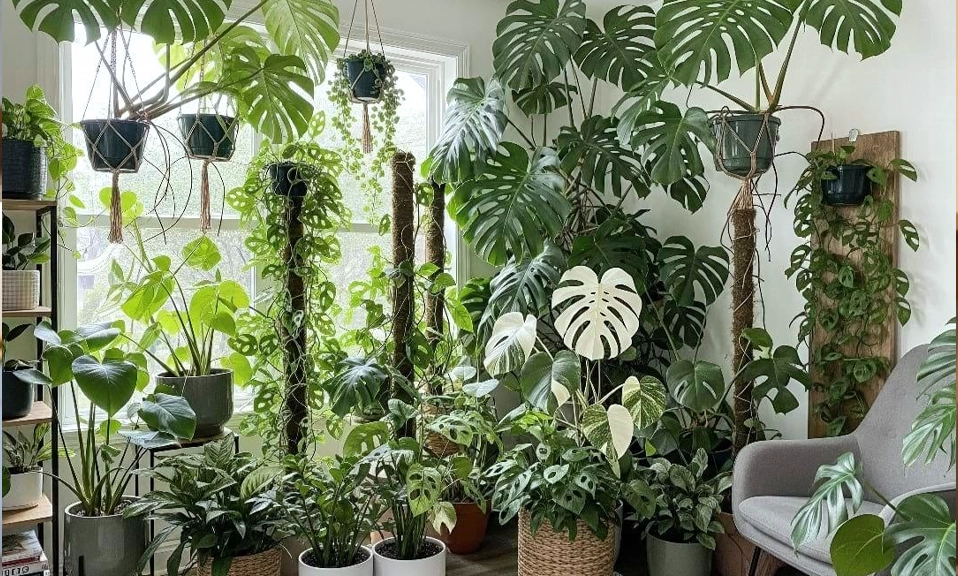
Walk into any stylish home, modern office, or trendy café in 2026, and you’ll notice something: the plants have taken over.
Gone are the days when a single sad succulent on a windowsill counted as “decor.” The indoor jungle movement has evolved from a millennial Instagram aesthetic into a full-blown lifestyle revolution. According to recent surveys, over 60% of households now own at least one houseplant, and the global houseplant market is projected to exceed $20 billion this year.
But this isn’t just about making your space look good for a video call backdrop. Science has caught up with what plant lovers have known for years: surrounding yourself with greenery literally makes you healthier, happier, and more productive. Studies link indoor plants to reduced stress, improved air quality, better sleep, and even a 15% boost in workplace creativity.
Whether you’re a serial plant killer looking for a fresh start, or a seasoned plant parent ready to level up your collection, here are the 15 houseplants defining the indoor jungle trend in 2026—and exactly how to keep them thriving.
🌿 Why the Indoor Jungle Trend Is Only Getting Bigger
Before we dive into the plants, let’s talk about why this trend has staying power. Three major shifts have turned houseplants from a passing fad into a permanent fixture of modern living:
- Biophilic Design is Mainstream: Architects and interior designers now build “biophilia” (our innate connection to nature) into their plans. Plants aren’t an afterthought—they’re a core design element.
- The Hybrid Work Revolution: With home offices here to stay, people are investing heavily in creating calming, inspiring workspaces. A lush plant setup is the ultimate productivity hack.
- Smart Plant Care: In 2026, self-watering pots, soil moisture sensors, and AI-powered plant care apps have made it easier than ever to keep even finicky plants alive.
Ready to build your jungle? Let’s get growing.
🛡️ The “Indestructibles” (Perfect for Beginners)
If you’re new to plant parenthood—or if you have a history of accidentally killing everything you touch—start here. These plants thrive on neglect.
1. Pothos (Epipremnum aureum)
The Vibe: The friendly, forgiving roommate who never complains. Why it’s trending: Pothos remains the #1 recommended plant for beginners in 2026. Its trailing vines look stunning on shelves, and it comes in gorgeous varieties like ‘Marble Queen’ and ‘Neon.’ Care: Low to bright indirect light. Water when the top inch of soil is dry. It will dramatically droop when thirsty, then bounce right back after a drink. Pet-safe? No—toxic to cats and dogs.
2. Snake Plant (Sansevieria)
The Vibe: The architectural stoic who could survive an apocalypse. Why it’s trending: With its bold, upright leaves, the snake plant is a favourite in minimalist and Japandi interiors. It’s also one of the few plants that converts CO₂ to oxygen at night, making it perfect for bedrooms. Care: Thrives in almost any light condition. Water only every 2–3 weeks. Seriously, the biggest risk is overwatering. Pet-safe? No.
3. ZZ Plant (Zamioculcas zamiifolia)
The Vibe: The glossy, low-maintenance overachiever. Why it’s trending: The ZZ plant’s waxy, dark green leaves look almost fake (in the best way). The new ‘Zenzi’ compact variety is exploding in popularity for small spaces and desks. Care: Tolerates very low light. Water every 2–3 weeks. It stores water in its rhizomes (underground stems), so it’s drought-tolerant. Pet-safe? No.
4. Cast Iron Plant (Aspidistra elatior)
The Vibe: The Victorian-era survivor that lives up to its name. Why it’s trending: As “dark corner” interiors become more popular, the cast iron plant is having a major moment. It thrives where other plants give up. Care: Low light OK. Water when the top few inches of soil are dry. Slow grower, but virtually immortal. Pet-safe? Yes!
🌴 The Statement Pieces (Big, Bold, and Beautiful)
These are the plants that stop people in their tracks. They’re the centrepieces of your indoor jungle.
5. Monstera Deliciosa
The Vibe: The undisputed queen of indoor jungles. Why it’s trending: The classic “swiss cheese plant” remains a 2026 staple. The variegated ‘Albo’ and ‘Thai Constellation’ varieties, once prohibitively expensive, are now more accessible thanks to tissue culture propagation. Care: Bright indirect light. Water when the top 2 inches of soil are dry. Give it a moss pole to climb, and it will reward you with massive, fenestrated leaves. Pet-safe? No.
6. Fiddle Leaf Fig (Ficus lyrata)
The Vibe: The dramatic, high-maintenance supermodel of the plant world. Why it’s trending: Despite its reputation, the fiddle leaf fig remains the ultimate statement tree for bright living rooms. The compact ‘Bambino’ variety is making it more manageable for smaller spaces. Care: Bright, indirect light (it will throw a tantrum if moved). Water consistently when the top inch is dry. Keep away from drafts. Pet-safe? No.
7. Bird of Paradise (Strelitzia reginae)
The Vibe: Tropical vacation, brought indoors. Why it’s trending: With its massive, paddle-shaped leaves, this plant brings serious resort energy to any room. It’s the go-to choice for filling empty corners with height and drama. Care: Bright light (some direct sun is OK). Water weekly during growing season. Wipe the leaves monthly to keep them photosynthesizing efficiently. Pet-safe? No.
8. Rubber Plant (Ficus elastica)
The Vibe: The moody, sophisticated cousin of the fiddle leaf. Why it’s trending: The ‘Burgundy’ and ‘Tineke’ varieties offer stunning dark and variegated foliage. It’s easier than a fiddle leaf and grows into a gorgeous indoor tree. Care: Bright indirect light. Water when the top inch of soil is dry. Dust the leaves regularly. Pet-safe? No.
🌸 The Trailing Beauties (For Shelves, Hangings, and Cascades)
These plants bring vertical interest and soften the hard lines of furniture and architecture.
9. String of Pearls (Senecio rowleyanus)
The Vibe: The quirky, conversation-starting succulent. Why it’s trending: Its unique bead-like leaves look incredible in hanging macramé planters. It’s the poster child for “Instagrammable” plant setups. Care: Bright light (some direct sun). Water deeply but infrequently—let the soil dry completely between waterings. The #1 killer is overwatering. Pet-safe? No.
10. Philodendron ‘Brasil’
The Vibe: The bold, striped trailer that grows like a champion. Why it’s trending: Its striking yellow-and-green variegation brightens up any shelf. It’s faster-growing and more forgiving than many trailing plants. Care: Medium to bright indirect light. Water when the top inch is dry. Prune regularly to encourage bushiness. Pet-safe? No.
11. Hoya (Wax Plant)
The Vibe: The slow-and-steady beauty with a surprise payoff. Why it’s trending: Hoyas are having a massive moment in 2026, especially the ‘Krimson Queen’ and ‘Compact’ (Hindu rope) varieties. They’re famous for their incredible, sweet-smelling flower clusters when mature. Care: Bright indirect light. Water when the soil is mostly dry. They like to be slightly root-bound to encourage blooming. Pet-safe? Yes!
🌬️ The Air Purifiers (Functional and Beautiful)
These plants don’t just look good—they actively improve your indoor air quality.
12. Peace Lily (Spathiphyllum)
The Vibe: The elegant, flowering communicator. Why it’s trending: One of the few low-light plants that produces beautiful white blooms. It’s also a NASA-studied air purifier, removing benzene and formaldehyde. Care: Low to medium indirect light. Water when the soil feels dry—it will dramatically wilt when thirsty, then revive within hours. Pet-safe? No.
13. Spider Plant (Chlorophytum comosum)
The Vibe: The cheerful, baby-producing workhorse. Why it’s trending: The ‘Bonnie’ (curly) variety is especially popular right now. Spider plants are fantastic air purifiers and produce adorable “pups” you can propagate and share. Care: Bright indirect light. Water weekly. Brown tips usually mean fluoride in your water—use filtered water if this happens. Pet-safe? Yes!
14. Boston Fern (Nephrolepis exaltata)
The Vibe: The lush, humidity-loving showstopper. Why it’s trending: Perfect for bathrooms and kitchens, the Boston fern adds a soft, feathery texture that contrasts beautifully with modern, minimalist decor. Care: Bright indirect light. High humidity (mist regularly or use a humidifier). Keep soil consistently moist but not soggy. Pet-safe? Yes!
15. Aloe Vera
The Vibe: The functional, sun-loving succulent. Why it’s trending: A kitchen windowsill staple. The gel inside the leaves is a natural remedy for minor burns and skin irritation—plus, it’s a great air purifier. Care: Bright, direct light. Water every 2–3 weeks, letting soil dry completely between waterings. Pet-safe? No—toxic to pets.
🛠️ 5 Golden Rules for Keeping Your Jungle Alive in 2026
Even the most “indestructible” plants will struggle if you ignore the basics. Here are the non-negotiable rules for plant success:
1. Light Is Everything The #1 reason plants die is insufficient light. Before buying a plant, honestly assess the light in your space. “Low light” doesn’t mean “no light”—every plant needs some light to photosynthesise. If your space is truly dark, invest in a stylish grow light.
2. Master the “Finger Test” Forget watering schedules. Stick your finger an inch into the soil. If it’s dry, water. If it’s moist, wait. Overwatering kills far more houseplants than underwatering.
3. Drainage Is Non-Negotiable Never let your plant sit in standing water. Make sure every pot has drainage holes, and empty saucers after watering. Root rot is silent and fatal.
4. Dust Your Leaves In 2026, we’re more aware than ever that dust blocks photosynthesis. Wipe leaves monthly with a damp cloth. Your plants will literally breathe easier.
5. Embrace the “Plant Community” Join local plant swap groups or online communities. Propagating and sharing cuttings is not only free—it’s how the indoor jungle trend keeps growing sustainably.
🐾 A Note on Pet Safety
If you share your home with cats or dogs, please prioritise pet-safe plants. The ASPCA has a comprehensive list, but from our top 15, the Spider Plant, Boston Fern, Cast Iron Plant, Hoya, and Prayer Plant are all safe choices. When in doubt, place toxic plants out of reach or opt for artificial alternatives for high-risk areas.
Start Small, Grow Wild
You don’t need to transform your home into a rainforest overnight. Start with one or two indestructible plants. Learn their rhythms. Watch them grow. Then add another.
An indoor jungle isn’t just a decor choice—it’s a daily practice in nurturing something living. In a world that often feels digital, fast, and disconnected, there’s something profoundly grounding about watering a plant, watching a new leaf unfurl, and feeling your space come alive.
The best time to start your indoor jungle was years ago. The second best time is today.
Head to your local nursery (or order online), pick up your first plant, and welcome it home. Your future self—and your future plants—will thank you.