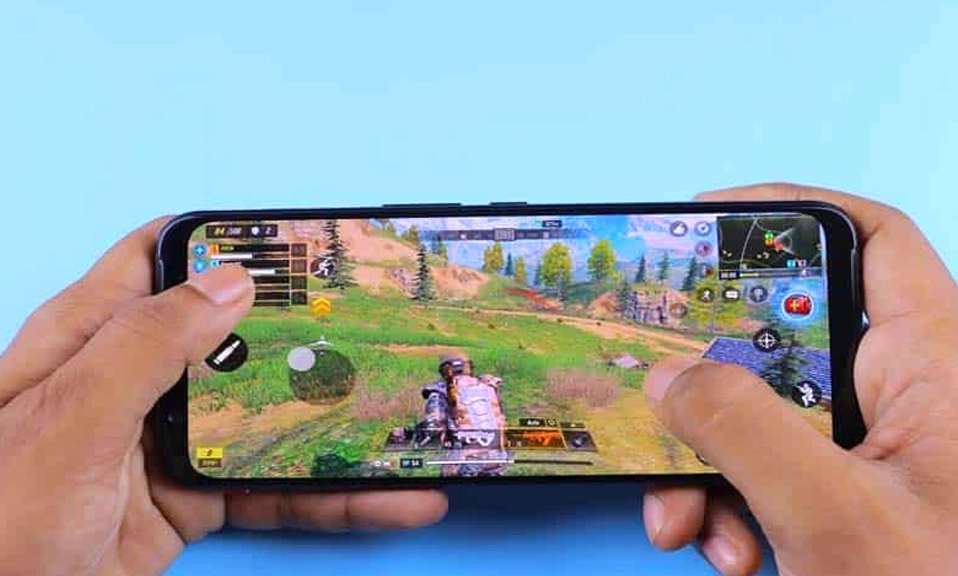
For years, the debate has raged across schoolyards, Discord servers, and YouTube comment sections: PUBG Mobile or Free Fire? One is the tense, tactical shooter that defined the battle royale genre on phones. The other is the fast, chaotic, character-driven phenomenon that conquered Latin America and Southeast Asia. In 2026, the answer is no longer a matter of taste. It is a matter of numbers, ecosystems, and what “king” actually means.
Here is the 2026 breakdown of the two mobile titans—and a verdict on which one still wears the crown.
The State of Play: Two Very Different Kingdoms
PUBG Mobile remains the benchmark for realism and competitive integrity. Developed by LightSpeed Studios and published by Level Infinite, it has spent years refining its core experience: 100 players drop onto a massive map, scavenge for weapons, and fight to be the last one standing. The gunplay is precise, the recoil is punishing, and the tension is palpable. It is, by design, a slower and more methodical game than its rival.
Free Fire, developed by 111dots Studio and published by Garena, took a different path. It is faster, shorter, and more arcade-like. Matches last around 10 minutes, the map is smaller, and the game features a roster of characters with unique abilities that can turn the tide of a fight. It was designed for low-end devices and limited data plans, and it has become a cultural phenomenon in markets where PUBG Mobile struggled to gain traction.
The numbers tell a story of divergence. Free Fire has consistently ranked as the most downloaded mobile game in the world, with a massive user base in Brazil, India, Indonesia, and Mexico. PUBG Mobile remains a powerhouse in its own right, with a strong presence in the Middle East, Southeast Asia, and a dedicated competitive scene. But in terms of raw active players and revenue, Free Fire has often surpassed its rival in recent years.
Gameplay: Realism vs. Chaos
The core difference between the two games is philosophical.
PUBG Mobile is a tactical shooter. It rewards patience, positioning, and precision. A single bullet can end a fight. The recoil is significant, the bullet drop is realistic, and the audio cues are crucial. Winning a match feels like a hard-fought achievement. The game’s ranked mode is a grind, and its esports scene is built on the idea that skill and strategy should decide the outcome.
Free Fire is an arcade battle royale. It rewards aggression, quick thinking, and character synergy. The gunplay is more forgiving, the pace is faster, and the abilities add a layer of unpredictability. You can deploy a shield, heal your squad, or launch a drone that reveals enemy positions. A match can swing on a single well-timed ability. It is less about who has the best aim and more about who can adapt fastest.
Which is “better”? It depends on what you want. If you want a game that respects your tactical brain, PUBG Mobile is the answer. If you want a game that gets your adrenaline pumping in a 10-minute burst, Free Fire is the one.
Technical Performance: The Great Equalizer
One of Free Fire’s greatest strengths is its accessibility. It was designed to run on low-end devices, and it still does. A budget Android phone from 2020 can run Free Fire smoothly. The file size is smaller, the data consumption is lower, and the game is optimized for regions with slower internet.
PUBG Mobile is more demanding. It requires a more capable device to run at a stable frame rate, and its file size is significantly larger. The game has improved its optimization over the years, but it still asks more of your hardware.
In a world where billions of people play on budget phones, this is not a minor detail. It is the reason Free Fire became the dominant mobile game in so many markets.
Monetization: Skins vs. Characters
Both games are free-to-play, and both make their money through cosmetics and battle passes. But the approach is different.
PUBG Mobile monetizes primarily through skins. Weapon skins, outfit skins, vehicle skins, and emotes. The game has a vast cosmetics ecosystem, and its “Royale Pass” is a seasonal battle pass that offers rewards for playing. The monetization is largely cosmetic—a player with a default skin has the same weapons and abilities as a player with a legendary skin.
Free Fire monetizes through characters and abilities. Players can purchase characters with unique skills, and those skills can be leveled up. This means that, in some modes, a player who has invested money can have a slight gameplay advantage. The game has introduced systems to balance this, but the character-based monetization model is more aggressive than PUBG Mobile’s cosmetic-only approach.
Both games have been criticized for their monetization practices, but the nature of the criticism differs. PUBG Mobile’s is about expensive skins and gambling-like crate mechanics. Free Fire’s is about the potential for pay-to-win elements in a competitive game.
Esports: The Global Stage vs. Regional Powerhouses
PUBG Mobile has built one of the most robust esports ecosystems in mobile gaming. The PUBG Mobile Global Championship (PMGC) is the flagship event, with a prize pool that has reached millions of dollars. The game has a structured competitive scene, with regional leagues, franchise teams, and a clear path from amateur to professional.
Free Fire has also invested heavily in esports, but its scene is more regional. The Free Fire World Series (FFWS) is a major event, particularly in Brazil and Southeast Asia, but its global footprint is smaller than PUBG Mobile’s. The game’s competitive scene is vibrant in its core markets, but it has not achieved the same level of international penetration.
For aspiring professional players, PUBG Mobile offers a more established pathway to a global career. For fans in Free Fire’s core regions, the local scene is deeply compelling.
Community and Cultural Impact
PUBG Mobile has a more serious, competitive community. Its subreddit is filled with clips of incredible sniper shots, discussions of meta changes, and debates about the best landing spots. The game’s tone is gritty and realistic, and its community reflects that.
Free Fire has a younger, more meme-driven community. Its characters—like Alok, a DJ with healing abilities, or Chrono, a time-manipulating hero—have become icons. The game is loud, colorful, and unapologetically fun. Its community is less focused on competitive integrity and more focused on having a good time.
Both communities are passionate. They just express it differently.
Which Game Is Still the King?
Free Fire is the king of mobile battle royale by the numbers. It has more downloads, more active players in key markets, and a cultural footprint that extends far beyond gaming. It is the game that millions of people play on their commute, on their lunch break, and on their couch. It is accessible, fast, and fun.
PUBG Mobile is the king of competitive mobile battle royale. It has the more polished gunplay, the more established esports scene, and the more hardcore community. It is the game that rewards skill, patience, and precision. It is the game that feels like a “real” shooter, even on a phone.
Which one is “still the king”? Both. They rule different kingdoms. Free Fire rules the mass market—the budget phones, the short play sessions, the Latin American and Southeast Asian youth. PUBG Mobile rules the competitive scene—the serious players, the esports arenas, the tactical showdowns.
If you have to pick one, pick the one that fits your life. If you want a quick, chaotic, character-driven battle royale that runs on anything, Free Fire is your king. If you want a tense, tactical, skill-based shooter that rewards mastery, PUBG Mobile is your king.
The throne is big enough for two.