The game was tied. The clock showed seven seconds. The Ravens had the ball at their own 35-yard line. Overtime seemed inevitable. Then Lamar Jackson did something that will be replayed for years.
The NFL’s first-ever game in Rio de Janeiro delivered a finish worthy of the Maracanã. The Baltimore Ravens defeated the Dallas Cowboys 34-31 on Sunday, but the final score tells only a fraction of the story. What happened in the last seven seconds of regulation was one of the most improbable, chaotic, and brilliantly executed sequences in recent NFL history.
Here’s how the Ravens stole a victory that, for a few fleeting moments, seemed destined for overtime.
The Setup: A Tie Game and a Touchback
The Cowboys had just tied the game at 31-31. Dak Prescott had driven Dallas to the Ravens’ 2-yard line, but the drive stalled. A false start pushed them back to the 7, and they settled for Brandon Aubrey’s 23-yard field goal with seven seconds left on the clock.
What happened next was a decision that Cowboys head coach Brian Schottenheimer would later defend — and that the Ravens would immediately exploit.
Instead of attempting a squib kick or a short kickoff that would force Baltimore to return the ball and burn precious seconds, Aubrey boomed the kickoff into the end zone. Touchback. The Ravens would start at their own 35-yard line with all seven seconds still on the clock.
“We felt like, let’s boom it through, put them out there, make them throw the ball short and we’ll be fine,” Schottenheimer said afterward. “Play for overtime. That’s what the plan was”.
The plan underestimated Lamar Jackson.
The Play: 27 Yards to Zay Flowers
The Ravens had practiced this exact situation since training camp. A “get-down, timeout” scenario. One play. Seven seconds. Get out of bounds or get down, call timeout, and give your kicker a chance.
“We were surprised because we did not go over that all week,” Jackson admitted. “We were not expecting to be in a situation like that”.
But the Ravens were ready.
Jackson dropped back. The Cowboys’ defense, coached by first-year defensive coordinator Christian Parker, was in man-to-man coverage. Rookie cornerback Daron Bland was matched up one-on-one with Zay Flowers. The decision to play man coverage instead of a deep zone would prove costly.
Flowers ran a route across the middle. Jackson delivered a strike — a 27-yard completion that put the Ravens at the Cowboys’ 38-yard line. Flowers went down. Jackson immediately signaled for a timeout.
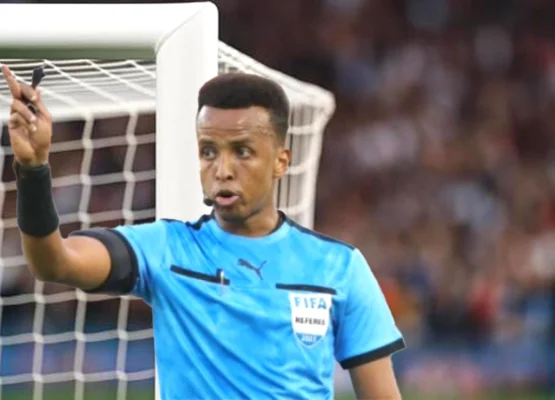
The referees reviewed the play. The clock showed zero. But Jackson had called the timeout with one second remaining. The Ravens had a chance.
The Kick: Tyler Loop’s Redemption
Tyler Loop, a second-year kicker, had missed a kick in last season’s finale that ended Baltimore’s playoff hopes. Now he was being asked to hit a 56-yard field goal with the game on the line.
He drilled it.
The ball sailed through the uprights. The Ravens swarmed their kicker. The Cowboys stood stunned. Final score: Baltimore 34, Dallas 31.
“Everyone was on the same timing,” Jackson said. “The line did a great job protecting, Zay ran a great route and I just had to deliver the baby. He caught it, and as soon as he got down, I was like, ‘Please see me, ref!'”.
The Decisions That Cost Dallas
The Cowboys made two critical mistakes in the final ten seconds, and both were coaching decisions.
The first was the touchback. A squib kick or a short kickoff would have forced the Ravens to return the ball, allowing the clock to run. Instead, the Cowboys preserved all seven seconds for Baltimore’s offense. “If Aubrey kicked the ball in the landing zone, at least a few seconds would’ve run off the clock,” La Nación noted. “But Dallas didn’t want to risk a return for a touchdown”.
The second was the defensive call. With the game on the line, Parker chose man-to-man coverage instead of the “umbrella zone” that most coaches deploy in that situation. Former Steelers coach Mike Tomlin, working as an analyst for NBC, was blunt: “I’m really surprised they’re playing man-to-man in this sequence. Most people in these circumstances are going to play what we describe as an umbrella zone”.
Schottenheimer defended the call, saying the Cowboys wanted to stay “sticky” with their coverage. But the result was a 27-yard completion that set up the game-winning kick.
The Context: A Back-and-Forth Thriller
The final seven seconds were dramatic, but the game itself was a classic. The Ravens led 24-13 in the third quarter before Prescott led a pair of touchdown drives to take a 28-24 lead. Jackson found rookie tight end Matt Hibner for a 2-yard touchdown with 1:30 remaining to put Baltimore back on top, 31-28.
That gave Prescott and the Cowboys just enough time to drive down the field and tie it. They reached the Ravens’ 2-yard line with 23 seconds left, but couldn’t punch it in. The field goal sent the game to what everyone assumed would be overtime.
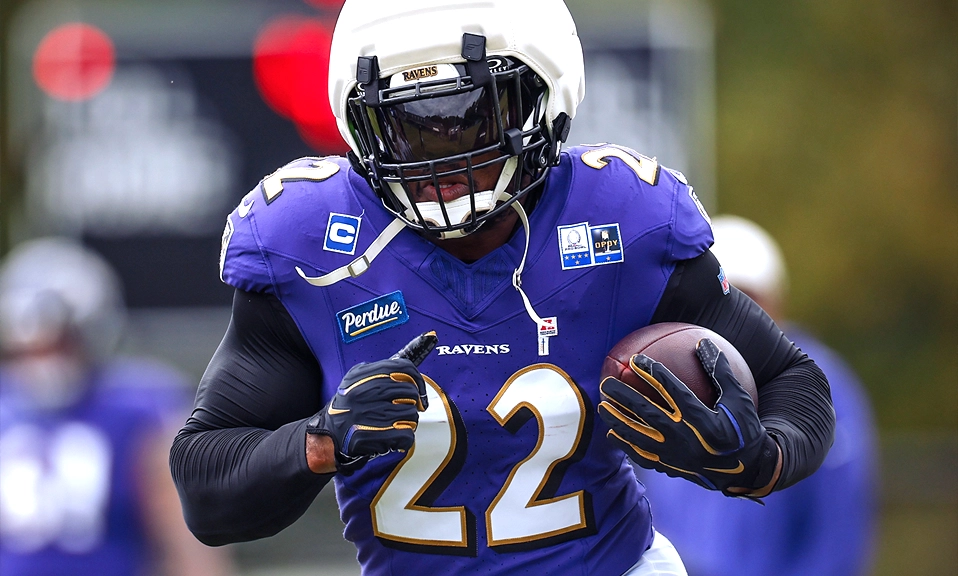
Derrick Henry ran for 89 yards and two touchdowns for Baltimore. Prescott threw for over 300 yards and led a comeback that nearly stole the game.
But the night belonged to Jackson and Loop.
The Aftermath: “I Am Hurting”
Schottenheimer was candid after the loss. “I am hurting, they are hurting,” he said. “It is a long trip [to Rio], but no one cares. We also have a long flight back”.
For the Ravens, the win moved them to 2-1 and provided a signature moment for first-year head coach Jesse Minter. “Unbelievable play by Lamar and Zay,” Minter said. “Heads up on the time. You practice for those moments, you wait for them to come up, and they came up today, and we were ready”.
The Ravens host the Titans next Sunday. The Cowboys travel to Houston to face the Texans. But neither team will forget the seven seconds in Rio anytime soon.
The Ravens’ win was
the latest start to a game-winning drive off a kickoff since 1978, according to ESPN Research. It was a finish that will be compared to the Chiefs’ famous 13-second playoff drive against the Bills in 2022 — except Jackson needed only seven.
It was also a reminder of how quickly a game can change. The Cowboys had done almost everything right in the final minutes. They had tied the game. They had the momentum. They had forced the Ravens into a situation that should have ended in overtime.
Then they kicked the ball through the end zone. And Lamar Jackson made them pay.