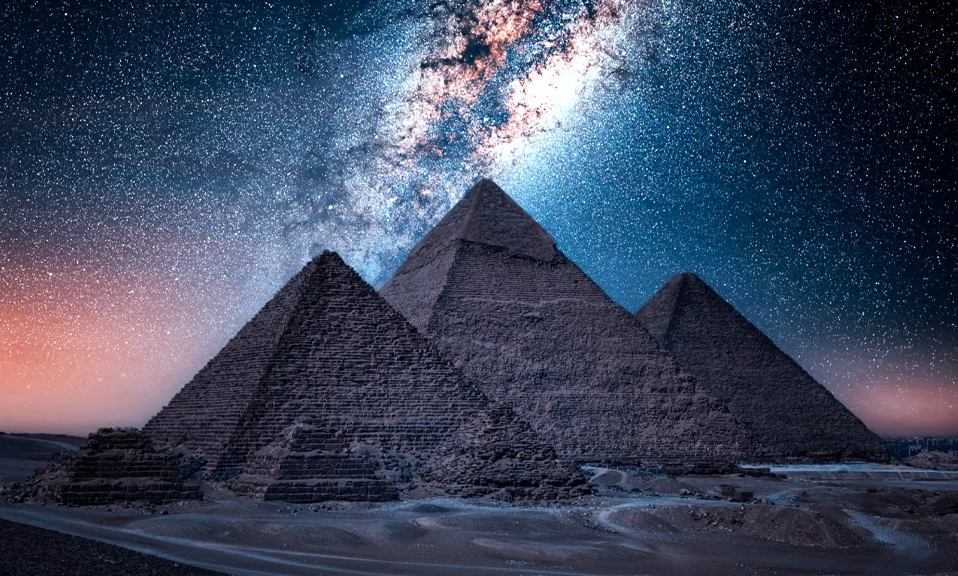
7 Destinations to Book Before Prices Rise
On August 2, 2027, the moon will pass directly between the Earth and the sun, casting a shadow across southern Europe, North Africa, and the Middle East. For six minutes and 23 seconds—the longest totality on land until 2114—day will turn to night. And the travel industry is already in a frenzy.
Hotels are selling out. Prices are climbing into the tens of thousands of euros per night. Eclipse-chasers, astronomers, and curious travellers are booking flights a full year in advance. If you want to witness what NASA scientists are calling the “eclipse of the century,” you need to start planning now.
Here are seven destinations along the path of totality—and why you should book before prices rise any further.
Why the 2027 Eclipse Is Different
The 2027 total solar eclipse is a generational event. At its peak near Luxor, Egypt, totality will last 6 minutes and 23 seconds—more than triple the duration of the 2024 Great North American Eclipse (4 minutes 28 seconds) and nearly three times longer than the 2026 eclipse over Iceland and Spain (2 minutes 18 seconds).
Only one longer total solar eclipse has occurred in the 21st century, in 2009. The next one won’t happen until 2114.
The path of totality is a narrow corridor, roughly 250 kilometres wide, crossing 11 countries: Spain, Gibraltar, Morocco, Algeria, Tunisia, Libya, Egypt, Sudan, Saudi Arabia, Yemen, and Somalia. Unlike many eclipses that pass primarily over oceans, this one crosses mostly land, with clear skies and warm weather in most viewing locations.
“It’s hard to explain, especially in this digital world, why it actually is worth going out and experiencing this in real life,” NASA’s Dr. Kelly Korreck told Euronews. “The pictures are beautiful, but they don’t do the whole body experience justice”.
The Price Surge: What You’re Up Against
The demand is unprecedented. In southern Spain, hotel prices for the night of August 1, 2027, have already soared. In El Palmar, a villa for six people was listed at €33,129 for a single night. In Málaga, hotel rooms have been listed at up to €7,000 per night. In Cádiz, 98% of accommodations are already unavailable.
In Egypt, the situation is even more extreme. Hotels in Luxor that normally charge modest rates have seen prices increase 40-fold. The five-star Pyramisa Isis & Suites Luxor listed its last available Nile-view room at nearly 7.5 million rubles for the night of August 2, 2027.
The message is clear: the time to book is now.
1. Luxor, Egypt: The Best View on Earth
Why go: Luxor is the single best place on the planet to witness the 2027 eclipse. The maximum duration of totality—6 minutes and 23 seconds—occurs just 60 kilometres southeast of the city. The average cloud cover is extremely low. And the setting is unmatched: the ancient temples of Karnak and Luxor, the Valley of the Kings, and the Nile River provide a backdrop that no other eclipse destination can match.
What to do: Beyond the eclipse, Luxor is an open-air museum. Explore the Karnak Temple Complex, the largest ancient religious site in the world. Descend into the tombs of the Valley of the Kings. Take a felucca ride on the Nile at sunset. Egypt’s Ministry of Tourism has already established a committee to prepare for the eclipse, with Luxor and Siwa identified as the primary viewing destinations.
The catch: Accommodation is scarce and expensive. Some hotels have temporarily blocked bookings while they finalise eclipse pricing. If you find a room, book it immediately.
How to get there: Luxor International Airport receives flights from Cairo and major European cities. EgyptAir and other carriers offer direct connections.
2. Cádiz and Tarifa, Spain: The Gateway to Totality
Why go: Southern Spain is the most accessible eclipse destination for European and American travellers. Cádiz, one of Europe’s oldest continuously inhabited cities, offers 2 minutes and 56 seconds of totality. Tarifa, at the southern tip of the Iberian Peninsula, offers 4 minutes and 40 seconds with an average cloud cover of just 13%.
What to do: Cádiz is a vibrant port city with a rich history, beautiful beaches, and exceptional seafood. Tarifa is Europe’s windsurfing capital, with kilometres of white sand beaches and views across the Strait of Gibraltar to Morocco. The nearby town of Vejer de la Frontera is one of Spain’s most beautiful white villages.
The catch: Cádiz is one of the most in-demand eclipse destinations in Europe. Hotels are blocking reservations temporarily, and prices are astronomical. Look at smaller towns along the coast—Sanlúcar de Barrameda, Rota, Conil de la Frontera—for more availability.
How to get there: Fly into Málaga, Seville, or Jerez de la Frontera. Cádiz is easily reachable by train or car.
3. Tangier, Morocco: Totality on the Strait
Why go: Tangier offers 4 minutes and 51 seconds of totality—one of the longest durations in North Africa. The city sits directly beneath the central shadow, and the viewing conditions in northern Morocco in August are typically excellent. And unlike Spain, Morocco offers a more affordable travel experience.
What to do: Explore the medina, the kasbah, and the Grand Socco. Take a ferry across the Strait of Gibraltar to Spain (or vice versa). Visit the Caves of Hercules and the Cap Spartel lighthouse. Drink mint tea at the Café Hafa, where the Rolling Stones and Paul Bowles once sat.
The catch: Tangier is directly beneath the central shadow, and you can expect significant demand. Book early.
How to get there: Tangier Ibn Battouta Airport has direct flights from major European cities. Ferries connect Tangier to Tarifa and Algeciras in Spain.
4. Jeddah, Saudi Arabia: Five Minutes and Fifty Seconds of Darkness
Why go: Jeddah will experience 5 minutes and 50 seconds of totality—one of the longest durations of any city on the path. It’s the first total solar eclipse visible from Saudi Arabia in 77 years. And the city itself is a fascinating blend of ancient and modern, with a UNESCO-listed historic district and a thriving arts scene.
What to do: Wander the narrow alleys of Al-Balad, the historic old town. Visit the Jeddah Corniche and the King Fahd Fountain. Explore the Red Sea coastline. Diving and snorkelling in the Red Sea are world-class.
The catch: Saudi Arabia has strict laws regarding alcohol, dress, and public behaviour. Research before you go. The eclipse occurs during the afternoon (around 1:25 PM local time), so plan accordingly.
How to get there: King Abdulaziz International Airport is a major hub with connections worldwide.
5. Málaga, Spain: The Costa del Sol Eclipse
Why go: Málaga offers 1 minute and 54 seconds of totality—shorter than Cádiz or Tarifa, but still a genuine total eclipse. The city is one of Spain’s most popular tourist destinations, with excellent infrastructure, a vibrant cultural scene, and an international airport with flights from across Europe and beyond.
What to do: Visit the Picasso Museum and the Alcazaba fortress. Hike the Caminito del Rey. Eat espetos (grilled sardines) on the beach. Explore the nearby white villages of the Axarquía region.
The catch: Málaga hotel prices have already surged to €7,000 per night. The city is on the northern edge of the path of totality, so the duration is shorter than southern alternatives.
How to get there: Málaga-Costa del Sol Airport is one of Spain’s busiest, with direct flights from across Europe.
6. Benghazi, Libya: The Untouched Eclipse Destination
Why go: Benghazi lies directly on the path of totality, offering a long duration of darkness and a unique opportunity to witness the eclipse in a country that few travellers ever visit. Libya has been largely closed to tourism for years, but eclipse tours are beginning to open up the country.
What to do: Explore the ancient Greek ruins of Cyrene, a UNESCO World Heritage Site. Visit the Roman ruins of Leptis Magna, one of the best-preserved Roman cities in the world. Experience the Mediterranean coastline and the Green Mountains.
The catch: Libya remains a challenging destination for independent travel. Security concerns persist, and tourism infrastructure is limited. Booking through a reputable tour operator is essential. Explore Worldwide and Jules Verne have both announced eclipse tours to Algeria, and similar options may emerge for Libya.
How to get there: Benina International Airport receives limited international flights. Most travellers will arrive via organised tour packages.
7. Mecca and Western Saudi Arabia: The Pilgrim’s Eclipse
Why go: The path of totality crosses directly over Mecca and extends through western Saudi Arabia, including Jeddah. For Muslim travellers, this offers the unique opportunity to combine the eclipse with a pilgrimage. For everyone else, it’s a chance to witness totality in one of the most significant spiritual sites in the world.
What to do: The Hajj is not permitted for non-Muslims, but the region offers other attractions, including the Red Sea coast, the historic city of Taif, and the mountains of Abha. The southern city of Abha will experience around 6 minutes of totality.
The catch: Access to Mecca is restricted to Muslims. The eclipse occurs during the hottest time of year, so plan for high temperatures.
How to get there: Jeddah’s King Abdulaziz International Airport is the primary gateway.
How to Book Before Prices Rise
The window to book at reasonable prices is closing fast. Here’s what you need to know:
Book accommodation immediately. Hotels in Cádiz and Luxor are already largely sold out. If you find a room at a price you can live with, book it. Cancellation policies vary, but most eclipse bookings are non-refundable.
Consider tour packages. Companies like Explore Worldwide, Jules Verne, Goway, and Ker & Downey Africa are offering eclipse tours ranging from $4,360** for a 10-day Algeria trip to **$26,950 for a luxury MIT-led Egypt expedition. These packages handle logistics, accommodation, and viewing locations, removing the stress of planning during peak demand.
Book flights early. Airports in Luxor, Jeddah, and Málaga will see massive demand. Use points if you have them.
Stay flexible on location. If Cádiz is sold out, try Tarifa, Vejer, or smaller towns along the coast. If Luxor is too expensive, consider Aswan or Marsa Alam, which are also on or near the path.
Consider a cruise. Holland America and other cruise lines are offering eclipse voyages in the Mediterranean and Red Sea, with the advantage of being able to reposition for clear skies.
Be prepared for crowds. The 2027 eclipse will draw millions of people to a narrow corridor. Plan for traffic, limited services, and high demand for everything from rental cars to restaurant tables.
The 2027 total solar eclipse
is a once-in-a-lifetime event. The next eclipse of comparable duration won’t happen until 2114. The destinations on this list offer the best chance to witness it—but they won’t stay affordable or available for long.
Book now. Book smart. And start planning your trip to the path of totality.
The eclipse is coming. Don’t watch it from your couch.