7 Ways to Create a Peaceful Space Away From Screens
The average person checks their phone over 100 times a day. We wake up with screens, work on screens, relax with screens, and fall asleep with screens. Our homes have become digital command centers — and our nervous systems are paying the price.
Enter the “analog home” trend. It’s not about throwing your phone in the river or living like a 19th-century farmer. It’s about creating intentional spaces within your home that are free from screens — pockets of calm where you can read, think, create, or simply be. The concept has been building for years, but in 2026, it’s exploded. Pinterest searches for “analog home” are up 240%. Designers are specifying “screen-free zones” in client briefs. And a growing body of research confirms what we already suspected: our brains need a break from the digital deluge.
“The analog home is a response to digital fatigue,” says interior designer and slow-living advocate Lauren McKay. “People are realizing that their homes should be a refuge, not another extension of their inbox.”
You don’t need a renovation to create an analog home. You need intention. Here are seven ways to carve out screen-free peace in your own space.
1. Designate a Screen-Free Zone
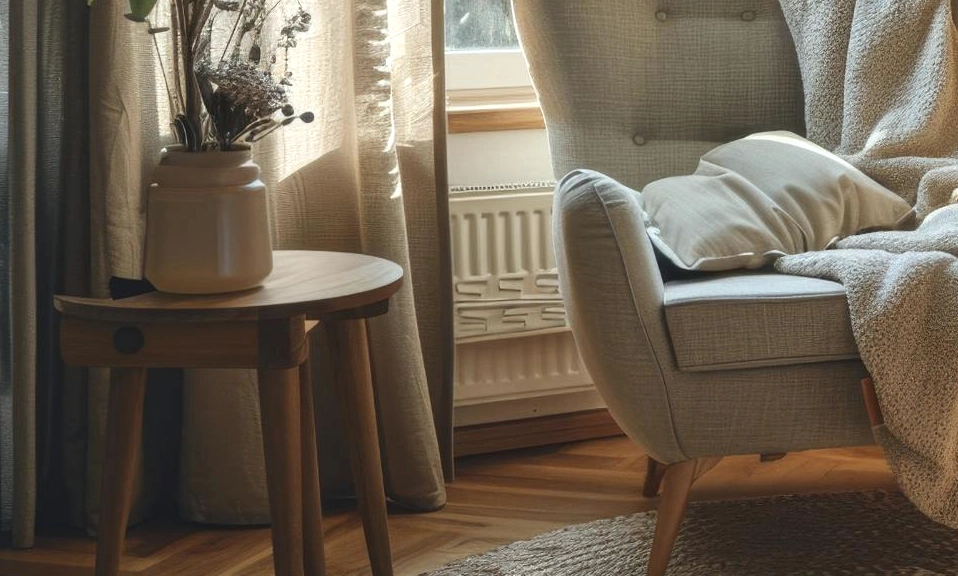
What it is: A physical area in your home where devices are not allowed. Not “discouraged” — not allowed. A chair by a window. A corner with a rug and a floor cushion. A reading nook. A bench in the garden. The size doesn’t matter. The boundary does.
Why it works: Our brains form associations with spaces. If you always scroll on the couch, the couch becomes a trigger for scrolling. If you always read in a specific chair, that chair becomes a trigger for reading. A screen-free zone creates a new association — a place where your brain learns to relax, focus, and be present.
How to do it: Pick a spot that’s comfortable and gets natural light. Add a cushion, a throw, a small table for a cup of tea. Keep a book, a notebook, or a puzzle nearby. Leave your phone in another room. Start with 15 minutes a day.
Expert tip: “Don’t make it the most convenient spot in the house,” says McKay. “If it’s too easy to reach for your phone, you will. Make it a destination — somewhere you have to walk to, somewhere that feels slightly separate from the rest of the home.”
2. Embrace Tactile Materials
What it is: Filling your analog space with materials that feel good to touch — wood, stone, linen, wool, ceramic, leather, brass.
Why it works: Screens are smooth, flat, and cold. They offer no tactile feedback. Our hands evolved to manipulate physical objects, and when they’re deprived of texture, we feel subtly unmoored. Studies in environmental psychology show that tactile materials reduce stress and increase feelings of comfort and groundedness. A wool blanket, a ceramic mug, a wooden bowl — these aren’t just objects. They’re sensory anchors.
How to do it: Swap synthetic throws for wool or cotton. Choose ceramic mugs over plastic. Add a wooden tray for your tea. Place a smooth stone on your desk. Keep a linen tablecloth on the table. Small, tactile details add up.
Expert tip: “The key is authenticity,” says materials researcher Dr. Elena Voss. “Real materials age. They develop patina. They have grain and variation. That’s what makes them feel alive — and what makes you feel connected to them.”
3. Bring in Analog Entertainment
What it is: Things to do that don’t require a screen. Books. Board games. Vinyl records. Puzzles. Musical instruments. Sketchbooks. Playing cards. A deck of tarot cards. Anything that engages your hands, your mind, or your senses without a battery.
Why it works: We often reach for our phones because we’re bored. Analog entertainment gives us something else to do. A study from the University of Oxford found that people who engage in “craft-based leisure” report higher levels of calm and satisfaction than those who consume digital entertainment. The difference is the active versus passive nature of the activity.
How to do it: Create a small collection of analog activities within reach of your screen-free zone. A stack of books. A puzzle in progress. A record player with a few favorite albums. A sketchbook and pencils. Don’t overthink it — the goal is to have something else to reach for.
Expert tip: “Start with what you loved as a child,” suggests play therapist Sarah Hines. “Did you love drawing? Building? Reading comics? The things that delighted you before screens existed are the things that will delight you now.”
4. Create a “Landing Strip” for Devices
What it is: A designated spot near the entrance to your home — or outside your analog space — where phones, tablets, and laptops live when they’re not in use. A charging station. A drawer. A basket. A shelf.
Why it works: The mere presence of a phone reduces cognitive capacity. A 2017 study from the University of Texas at Austin found that participants who had their phones in another room significantly outperformed those who had their phones on their desks — even when the phones were face down and silent. The brain is constantly resisting the urge to check. Removing the temptation entirely is easier than fighting it.
How to do it: Set up a charging station in a hallway, kitchen, or entryway. Make it a ritual: when you come home, your phone goes there. When you enter your analog zone, your phone stays behind. If you need an alarm clock, buy a cheap digital alarm clock. If you need to check the time, buy a watch.
Expert tip: “The out-of-sight, out-of-mind principle is real,” says digital wellness coach Mark Lawrence. “You don’t need willpower if you remove the trigger. Willpower is a finite resource. Environment is not.”
5. Use Lighting to Signal Downtime
What it is: Deliberate, layered lighting that tells your brain it’s time to relax. Warm bulbs. Dimmers. Lamps instead of overheads. Candles. Salt lamps. String lights. Firelight, if you have a fireplace.
Why it works: Light is the most powerful signal your body uses to regulate its circadian rhythm. Bright overhead lights — especially those with cool, blue-toned bulbs — tell your brain it’s daytime. They suppress melatonin and keep you alert. Warm, dim, low-level lighting tells your brain it’s evening. It triggers the relaxation response.
How to do it: Turn off overhead lights in the evening. Use lamps with warm-white bulbs (2700K or lower). Add dimmers. Light candles. If you have a fireplace, use it. If you don’t, a candle or a small fire bowl can do the trick. The goal is to create a visual shift that says: the day is done.
Expert tip: “Lighting is the easiest lever to pull for a calmer home,” says lighting designer Naomi Price. “You can change the entire mood of a room with a $20 lamp and a $5 bulb. It’s the most underrated tool in creating an analog atmosphere.”
6. Incorporate Nature and Natural Elements
What it is: Plants. Stones. Water features. Wood. Natural light. Fresh air. Biophilic design — the practice of bringing the natural world indoors.
Why it works: Humans have an innate affinity for nature. The biophilia hypothesis suggests that our brains are wired to respond positively to natural environments. Studies show that exposure to nature — even indoors — reduces stress, lowers blood pressure, improves mood, and enhances cognitive function. A screen-free space with a plant, a bowl of stones, or a small fountain feels different from one without.
How to do it: Add a potted plant to your analog space. Place a smooth stone on the table. Open a window. Let in natural light. Add a small water feature — even a bowl of water with floating flowers. If you have outdoor space, create a screen-free zone there too.
Expert tip: “Nature doesn’t have to mean a jungle,” says biophilic designer Amanda Sturgeon. “A single plant, a handful of stones, a wooden bowl — these small touches remind your nervous system that you’re part of something larger than your inbox.”
7. Establish Analog Rituals
What it is: Regular, repeated activities that engage your senses and your attention without a screen. A morning cup of tea. An evening journaling session. A Sunday afternoon reading hour. A weekly board game night. A daily walk.
Why it works: Rituals create structure and meaning. They signal transitions — from work to rest, from public to private, from busy to calm. They give your brain something to anticipate and something to savor. And because they’re repeated, they become habits, and habits require less willpower than decisions.
How to do it: Pick one ritual to start. Keep it small. A cup of tea in your screen-free zone every morning. Five minutes of journaling before bed. A puzzle every Sunday afternoon. Don’t overcomplicate it. The goal is consistency, not perfection.
Expert tip: “Rituals are how we tell our brains to switch gears,” says behavioral scientist Dr. Christine Carter. “They’re the bridge between doing and being. And in an analog home, they’re the bridge between the digital world and the real one.”
The analog home isn’t
about rejecting technology. It’s about creating a balance — a space where you can breathe, think, and feel without the constant pull of a screen.
You don’t need to overhaul your entire house. You don’t need to throw away your phone. You just need one small corner, one habit, one ritual that’s yours and yours alone.
Start with one of these seven ideas. Pick the one that feels easiest. Do it today. And let the quiet do its work.