For decades, Hollywood had a lazy playbook for female antagonists. They were the jealous ex-girlfriend, the wicked stepmother, or the “crazy” woman whose only motivation was a broken heart. They were plot devices, not people.
But then, the script flipped.
When Hollywood gets a female villain right, the result is absolutely electrifying. The best female villains aren’t just “evil”; they are complex, fiercely intelligent, deeply charismatic, and often terrifying because they hold up a dark mirror to society’s expectations of women. They don’t just want to destroy the hero; they want to dismantle the entire system that tried to control them.
From psychological masterminds to blockbuster powerhouses, here are 6 of the greatest female villains in Hollywood history who didn’t just steal the show—they stole our nightmares.
🔨 1. The Obsessive Fan: Annie Wilkes (Misery, 1990)
Played by: Kathy Bates
The Vibe: Smothering, unpredictable, and utterly terrifying.
The Vibe: Smothering, unpredictable, and utterly terrifying.
Annie Wilkes is the gold standard for psychological horror villains. She isn’t a monster with claws; she’s a middle-aged nurse who claims to be your “number one fan.” Kathy Bates’ Oscar-winning performance is a masterclass in tonal whiplash. She can switch from a cooing, maternal caregiver to a sledgehammer-wielding psychopath in a matter of seconds.
Why She’s the Best: Annie weaponizes the parasocial relationship between an author and his reader. She represents the ultimate nightmare of being trapped with someone who loves a version of you that doesn’t actually exist, and who will maim you to keep that fantasy alive.
🧠 2. The Calculated Mastermind: Amy Dunne (Gone Girl, 2014)
Played by: Rosamund Pike
The Vibe: Ice-cold, meticulously planned, and ruthlessly intelligent.
The Vibe: Ice-cold, meticulously planned, and ruthlessly intelligent.
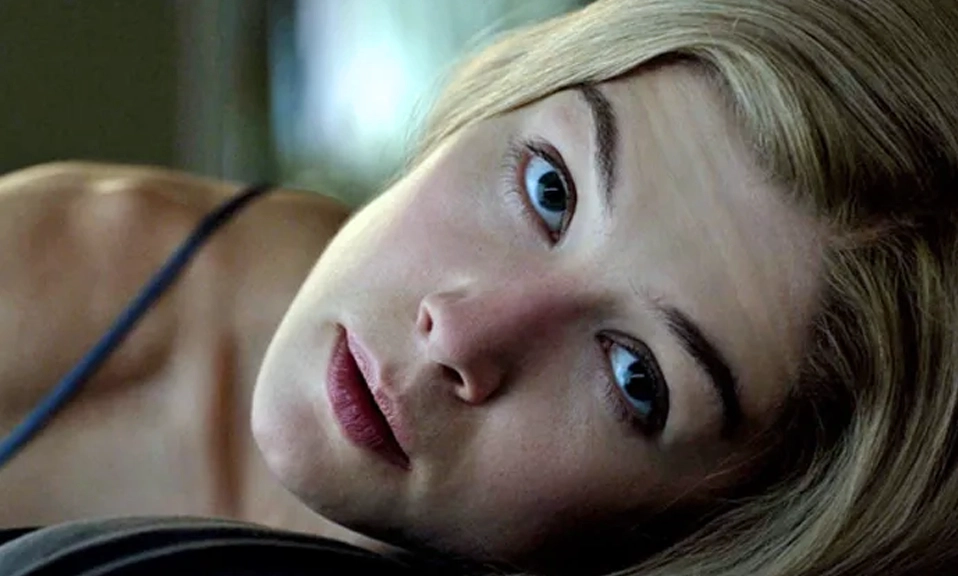
“I’m so much happier now that I’m dead,” is just the opening line of Amy Dunne’s master plan. Rosamund Pike’s portrayal of Amy is a chilling deconstruction of the “perfect wife.” Amy doesn’t just react to her husband’s infidelity; she engineers an elaborate, years-in-the-making frame job that weaponizes the media, the police, and societal biases against men.
Why She’s the Best: The “Cool Girl” monologue is one of the greatest pieces of villain dialogue ever written. Amy isn’t driven by a simple desire for revenge; she is driven by a profound, sociopathic need for control and narrative dominance. She is terrifying because she is always ten steps ahead.
🏥 3. The Institutional Tyrant: Nurse Ratched (One Flew Over the Cuckoo’s Nest, 1975)
Played by: Louise Fletcher
The Vibe: Passive-aggressive, bureaucratic, and suffocating.
The Vibe: Passive-aggressive, bureaucratic, and suffocating.
Nurse Ratched doesn’t yell. She doesn’t carry a weapon. She carries a clipboard and a quiet, condescending smile. Louise Fletcher’s iconic performance redefined cinematic evil by proving that the most devastating cruelty is often administered under the guise of “care” and “rules.”
Why She’s the Best: She represents the banality of evil within a system. She maintains absolute power over the psychiatric ward not through physical force, but through psychological emasculation, guilt, and the weaponization of routine. She is the ultimate antagonist to freedom and individuality.
🧊 4. The Ice-Cold Manipulator: Catherine Tramell (Basic Instinct, 1992)
Played by: Sharon Stone
The Vibe: Unapologetic, brilliant, and dangerously in control.
The Vibe: Unapologetic, brilliant, and dangerously in control.
Catherine Tramell is a wealthy, bisexual crime novelist who becomes the prime suspect in a brutal murder. Instead of hiding, she toys with the detectives investigating her, using her intellect, wealth, and sexuality as weapons to destabilize everyone around her.
Why She’s the Best: Sharon Stone subverted every trope of the “femme fatale.” Catherine isn’t a victim of her circumstances or a pawn of a man. She is the author of her own story, literally and figuratively. The infamous interrogation scene is a masterclass in power dynamics, proving that the person asking the questions isn’t always the one in control.
👑 5. The Everyday Sociopath: Regina George (Mean Girls, 2004)
Played by: Rachel McAdams
The Vibe: Charismatic, ruthless, and weirdly relatable.
The Vibe: Charismatic, ruthless, and weirdly relatable.
You might argue she’s not a “traditional” villain, but Regina George is the apex predator of the high school ecosystem. She doesn’t use physical violence; she uses gossip, exclusion, and psychological warfare to maintain her throne as the queen bee of the Plastics.
Why She’s the Best: Regina is a brilliant satire of capitalist and patriarchal power structures, scaled down to a suburban high school. Rachel McAdams plays her with such comedic precision and underlying vulnerability that she became a cultural icon. We hate her, but we also understand her, which makes her one of the most memorable antagonists in comedy history.
⚡ 6. The Unstoppable Force: Hela (Thor: Ragnarok, 2017)
Played by: Cate Blanchett
The Vibe: Arrogant, theatrical, and dripping with dark charisma.
The Vibe: Arrogant, theatrical, and dripping with dark charisma.
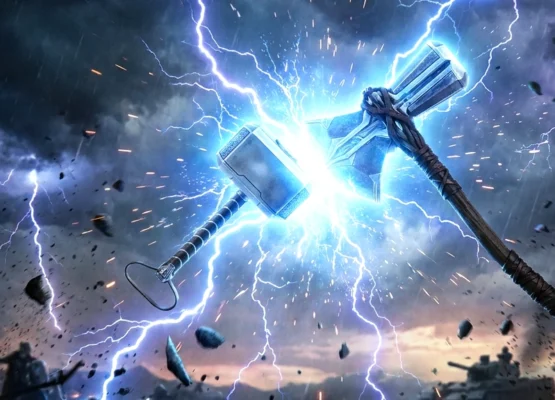
When Hela steps off the Bifrost, shatters Mjölnir with one hand, and smirks, the entire MCU shifted. Cate Blanchett’s Goddess of Death is a villain who genuinely enjoys her job. She is witty, fiercely ambitious, and utterly contemptuous of her brothers’ weaknesses.
Why She’s the Best: Female villains in blockbuster franchises are often sidelined or softened. Hela was allowed to be genuinely terrifying, wildly powerful, and unapologetically ambitious. Blanchett chewed the scenery with such relish that she remains one of the most compelling and stylish antagonists in superhero cinema history.
Complexity is the Ultimate Weapon
What ties Annie, Amy, Nurse Ratched, Catherine, Regina, and Hela together?
They are never just “crazy” or “evil for the sake of evil.” They are highly intelligent women navigating a world that tries to limit them, and they choose to burn that world down rather than be confined by it. They are proactive, not reactive. They drive the plot, they challenge the hero’s deepest insecurities, and they are portrayed by actresses who commit to the role with terrifying, magnetic brilliance.
Hollywood has finally learned that a female villain doesn’t need to be a caricature to be compelling. In fact, giving a woman the depth, agency, and ruthlessness traditionally reserved for male antagonists is the secret recipe for cinematic greatness.