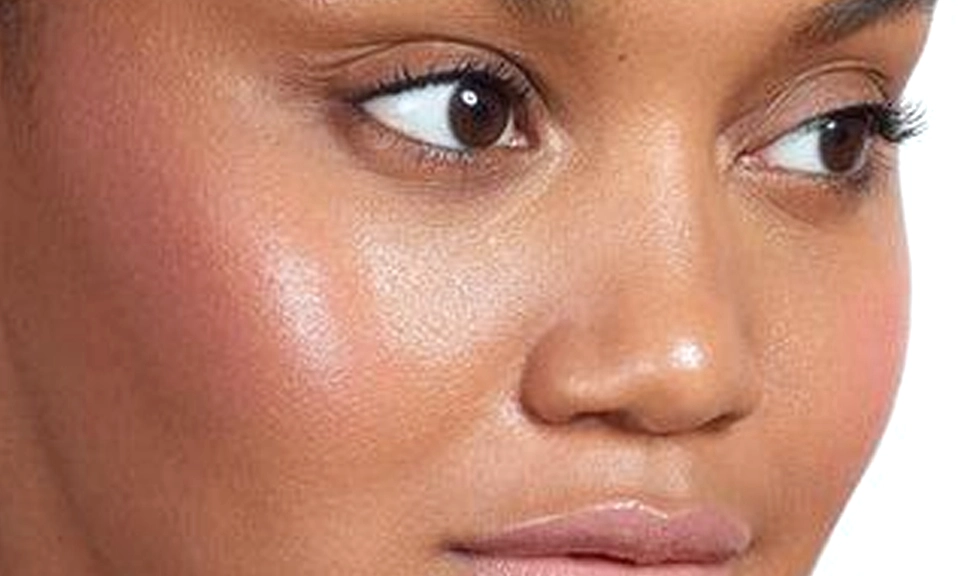
The modern beauty consumer is no longer forced to choose between looking good and doing good for their skin. A quiet but seismic shift is underway, dismantling the wall between the makeup vanity and the skincare shelf. The result? A beauty revolution defined by hybrid products that promise not just to conceal, but to improve. This is the era of skincare-infused makeup, and it’s reshaping the industry.
At its core, the trend represents a fundamental change in consumer expectations. People now want efficiency and efficacy in a single step. They are looking for a “skin-first” approach, where the goal is a naturally radiant complexion, and makeup is seen as a tool to enhance, not mask, skin health. As one industry executive put it, “Consumers no longer want to choose between skincare and makeup – they expect one product to do both”.
The numbers tell a story of explosive growth. The global hybrid makeup market was valued between $17.8 and $20.2 billion in 2025, with projections to reach $25.8 to $29.9 billion by 2032, growing at a compound annual growth rate (CAGR) of 5.4% to 5.8%. The broader skincare-infused makeup segment is expected to grow even faster, at a CAGR of 6.6% to reach $40 billion by 2033. This growth is outpacing the traditional color cosmetics market, signaling a permanent shift in consumer priorities.
📊 The Data Behind the Shift
The data paints a clear picture of what consumers want. In a survey, 26% of makeup consumers ranked “skin-nourishing” as their second most important consideration when buying a product, surpassing price and texture. This demand is particularly strong among 24 to 44-year-old urban women, who prioritize multi-functional products that offer sun protection, antioxidants, and brightening effects alongside coverage.
The search data confirms this behavioral shift. Search volume for “foundation with skincare” consistently outperforms “foundation with coverage” at nearly every price point. Specific product categories are seeing staggering growth:
Serum Concealer: Searches grew by 167% year-over-year.
Serum Foundation: Grew by 154.1% year-over-year.
Tinted Lip Serums: A massive surge of over 3,600%.
Lip Stain Oils: Up 2,000%.
Matte Lip Balms: Nearing 1,000% growth.
These figures show that the desire for skincare benefits is not a niche interest; it is a driving force across the entire cosmetics market, from foundation to lip color.
💄 How Products Are Evolving
Brands are responding with increasingly sophisticated formulations. The initial wave of “skincare-infused” makeup often involved simply adding a trendy ingredient like hyaluronic acid to a traditional formula. Now, the approach has become far more advanced. As one analysis noted, “The formulation brief has fundamentally changed”.
There are two main approaches in the market today. The first is a “simple addition” model, where a product prioritizes its cosmetic performance (like coverage and wear) and adds active ingredients at the end of the formulation process. The second, more advanced approach is “full-domain redesign,” where the product is built from the ground up with a specific skincare goal in mind, such as barrier repair or antioxidant protection. This involves designing the entire base formula—the oils, powders, and delivery systems—around the active ingredients to ensure they remain stable and effective on the skin.
Leading products showcase this evolution:
M·A·C Studio Radiance Skin Tint Stick: A formula composed of 73% skincare-derived ingredients, offering up to 24 hours of wear and hydration in a convenient stick format.
Dior Backstage Glow-Up Skin Tint: Positioned as a 3-in-1 product that combines complexion makeup, skincare benefits, and SPF 20 sun protection, with a claim of 24-hour hydration.
Maybelline Lifter Plump & Glow Foundation: Features a base made of 90% skincare ingredients, including hyaluronic acid.
Clarins Double Serum Foundation: Extends the brand’s famous Double Serum skincare franchise into the makeup category, using a dual-phase formula to combine color with a high concentration of plant-based actives.
This innovation is not limited to foundation. The trend has spread to eye makeup, with products designed to support skin renewal while delivering color, and to lip products that act as genuine treatments, combining pigments with peptides, ceramides, and hyaluronic acid.
⚠️ The Fine Print: Science, Skepticism, and Sensitivities
Despite the exciting innovation, the skincare-infused makeup revolution is not without its critics and caveats. Experts urge consumers to look beyond the marketing and consider the science.
The biggest concern is that many products are “innovation theater“—using a trendy ingredient as a marketing buzzword without a formulation that supports its efficacy. As veteran product developer Kevin James Bennett bluntly stated, “If you can’t identify the genuine innovation beneath the trend language, it’s probably marketing bulls*it”. The concentration of an active ingredient in a makeup formula may be too low to have a meaningful effect, and its stability can be compromised by other components in the product.
There is also a risk of skin irritation. Layering multiple products with the same active ingredients—a “cocktail effect”—can overwhelm the skin, compromising its barrier and leading to redness, itching, or long-term sensitization. Even low concentrations of ingredients like niacinamide can cause irritation in sensitive individuals. Dermatologists note that makeup, which sits on the skin for extended periods and is layered with other products, does not have the same tolerability standards as therapeutic skincare.
This has led to a push for greater transparency and clinical proof. Consumers are becoming more ingredient- and evidence-conscious, and brands that cannot substantiate their skincare claims with clinical data are being priced out of the prestige market. Credentials like non-comedogenic testing are becoming standard as brands seek to build trust.
💎 The skincare-infused makeup
revolution is more than a passing trend; it is a fundamental rethinking of what cosmetics can be. It reflects a modern desire for products that are efficient, effective, and aligned with a holistic approach to health and beauty. The market data is unequivocal: consumers are voting with their wallets for makeup that does more.
However, the category’s future success depends on brands moving beyond marketing hype and investing in genuine formulation science. The winners will be those who can prove their claims, ensure ingredient stability, and create products that are not just “skin-friendly” but truly beneficial. For consumers, the advice is to remain curious but cautious—enjoy the innovation, but read the labels, look for clinical evidence, and listen to your skin. The revolution is here, and it’s making us look—and hopefully feel—better than ever.