There was a time when the red carpet had a very specific look.
Paris. Milan. New York. London. The same handful of fashion houses, the same handful of names, season after season.
If you were an African designer, you were told to be “inspired by” the West. To make your work more “palatable.” To tone it down.
2026 just ended that conversation.
Because right now, the most talked-about looks on the red carpet aren’t coming from Paris. They’re coming from Lagos, Johannesburg, Accra, and Nairobi. And the biggest stars on earth aren’t just wearing African designers as a “tribute.” They’re wearing them because they’re the best in the room.
This isn’t a trend. This is a takeover.
The Moment Everything Changed
Remember when Beyoncé wore those jaw-dropping looks in Black Is King? Or when Lupita Nyong’o stepped out in a dress that made everyone stop and ask, “Who made that?”
Those weren’t one-offs. Those were warning shots.
Then came Tems at the Met Gala. Burna Boy at the Grammys. Zendaya in a sculptural piece that looked like it was made from pure art. Rihanna, Naomi Campbell, Danai Gurira — all turning to African designers not for a “cultural moment,” but for the best dress.
And suddenly, the fashion world had to pay attention. Because the red carpet wasn’t just diversifying. It was being led by Africa.
Why Now? Why 2026?
African fashion didn’t just appear out of nowhere. It’s been brilliant for decades. So why is the world finally catching up now?
1. The Internet Killed the Gatekeepers
For years, if you weren’t showing at Paris Fashion Week, you didn’t exist. Period.
Social media changed that. A designer in Lagos can post a collection on Instagram at 9am, and by 9pm, a stylist in Los Angeles is DMing them for a celebrity fitting.
No middleman. No permission needed. Just talent, going straight to the people who want it.
2. Celebrities Want Originality, Not Copies
We talked about this before — celebrities are bored of looking the same.
Every major fashion house is making the same silhouettes, the same colors, the same “safe” gowns. African designers are doing the opposite. They’re using bold color, dramatic shapes, hand-woven fabrics, intricate beading, and silhouettes you’ve never seen before.
When a star wants to stand out on a red carpet with 500 other celebrities, they don’t want safe. They want unforgettable. And right now, that’s Africa.
3. The World Is Finally Ready for African Luxury
Let’s be honest: For a long time, Western fashion treated African fashion as “ethnic,” “tribal,” or “inspiration.” Code words for: “We’ll borrow your prints, but we won’t credit you.”
2026 is different. African luxury is being recognized as luxury — not a costume, not a trend, not a mood board. Just pure, world-class design that can stand next to any house in Paris and win.
The Designers You Need to Know Right Now
If you don’t know these names yet, you will. Because your favorite celebrity already does.
Thebe Magugu — South Africa
The first African designer to win the LVMH Prize, and for good reason. Thebe’s work is sharp, intellectual, and deeply personal. He mixes South African heritage with modern tailoring in a way that feels both emotional and futuristic. When a celebrity wears Thebe, they’re not just wearing a dress. They’re wearing a story.
Lisa Folawiyo — Nigeria
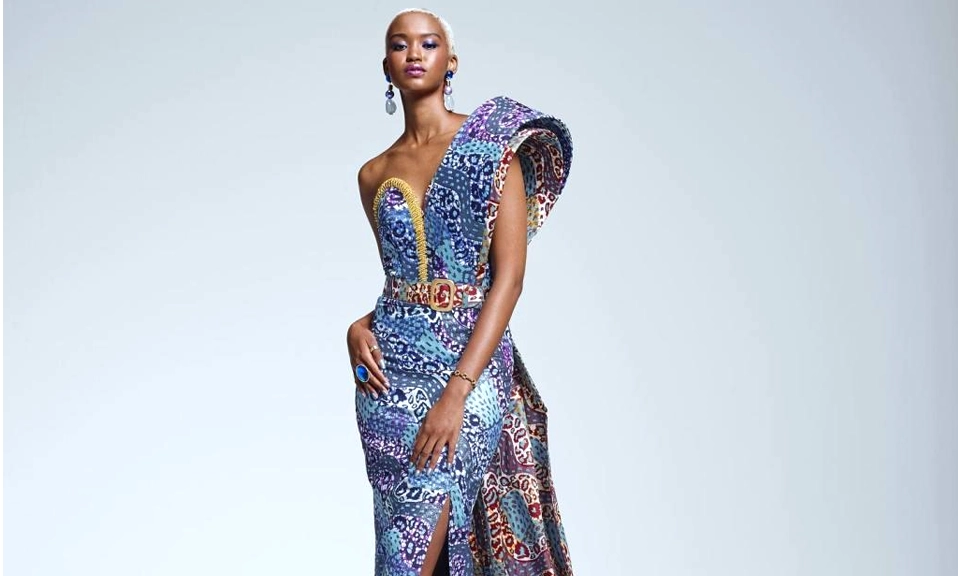
The queen of Ankara reinvention. Lisa took a fabric that many people associated with traditional wear and turned it into high-fashion couture — embellished, sculpted, red-carpet-ready. Her pieces have been worn by Lupita, Thandiwe Newton, and half of Hollywood. She proved Ankara belongs on the world stage.
Andrea Iyamah — Nigeria
If you’ve seen a swimwear or resort look that made you stop scrolling, it was probably Andrea Iyamah. Her use of color is unreal — bold oranges, deep blues, sunset reds. She made African swimwear and evening wear synonymous with confidence.
Hanifa — Anifa Mvuemba
From Congo to the world. Anifa went viral during the pandemic with a 3D digital fashion show that broke the internet. But she didn’t stop there. Her designs — body-hugging, sculptural, unapologetically feminine — have become a red-carpet favorite for women who want to own the room.
Kenneth Ize — Nigeria
Kenneth is bringing traditional Nigerian weaving — aso oke — to the global luxury market. His work is hand-woven, sustainable, and stunning. When Naomi Campbell closed his show, it wasn’t just a fashion moment. It was a statement: African craftsmanship is luxury.
Rich Mnisi — South Africa
Bold. Playful. Fearless. Rich Mnisi designs like he’s not afraid of anything. His shapes are exaggerated, his colors are loud, and his pieces are made to be remembered. Perfect for a red carpet that rewards risk.
It’s Not Just Dresses. It’s Identity.
Here’s what makes this movement different from a normal fashion trend.
When a celebrity wears an African designer, they’re not just making a fashion choice. They’re making a cultural choice.
For African and diaspora celebrities, it’s pride. It’s saying: “My heritage is not a costume. It’s couture.”
For non-African celebrities, it’s respect. It’s saying: “I see this talent, and I want to celebrate it — not copy it.”
And for the designers, it’s power. For the first time, they’re not waiting to be invited to the table. They are the table.
What This Means for Fashion — And For You
This wave isn’t going away. In fact, it’s just getting started.
Fashion schools in Lagos and Johannesburg are overflowing. African Fashion Weeks are selling out. International buyers are flying to Accra and Nairobi to discover the next big name before Paris does.
And for you — even if you never walk a red carpet — this matters.
Because it means fashion is finally becoming what it was always supposed to be: global, diverse, and full of stories from everywhere, not just one place.
You can be part of it without spending thousands:
Follow the designers, not just the celebrities. The star is the billboard. The designer is the source.
Buy the story. Look for pieces that use traditional fabrics, hand-weaving, or beading. Even one statement piece — a jacket, a skirt, a bag — can change your whole wardrobe.
Mix it your way. Pair an African designer piece with your everyday basics. A bold Ankara skirt with a simple white tee. A Thebe Magugu blazer with jeans. That contrast is what makes it look modern, not costume-y.
For decades, the fashion
world asked African designers to fit in.
In 2026, African designers are making the fashion world fit them.
From Lagos to the Met Gala, from Johannesburg to the Oscars, the red carpet has a new sound, a new color, a new shape. And it’s beautiful.
This isn’t charity. This isn’t diversity for the sake of a headline. This is talent winning — finally, on a global stage, on its own terms.
The new wave of global fashion influence isn’t coming.
It’s already here. And it’s African.