You thought you’d left it behind in a box in your childhood bedroom.
The baggy jeans. The tiny sunglasses. The slip dress you swore you’d never wear again. The chunky loafers, the oversized blazer that swallowed you whole, the logo tee you bought with your first paycheck.
Well, open that box. Because 2026 didn’t just bring the 90s back — it made them the main character.
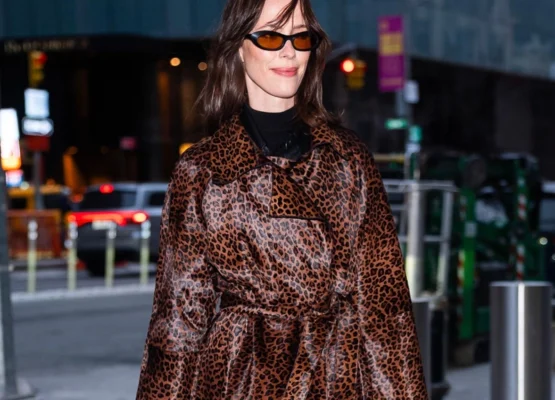
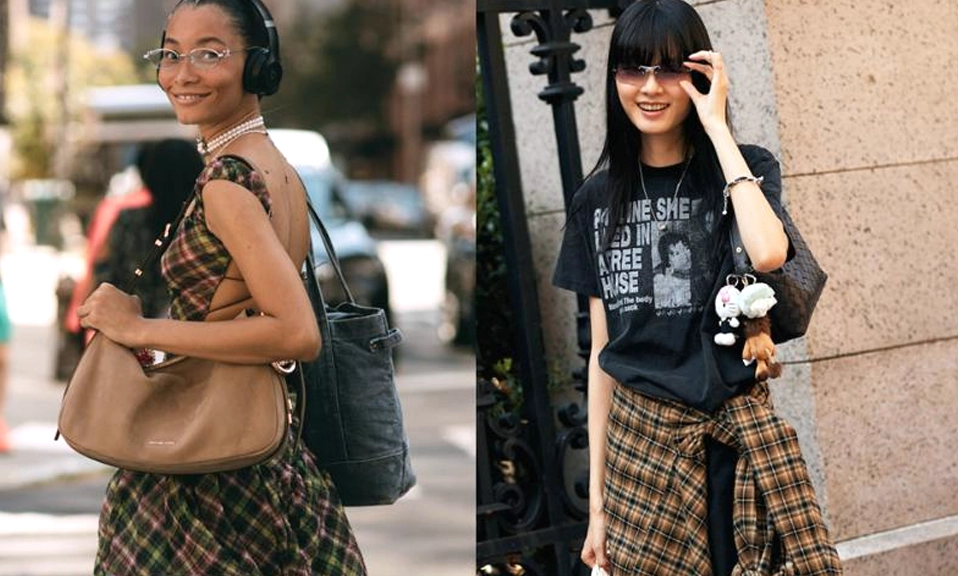
Walk down any street in London, Lagos, New York, or Tokyo right now and you’ll see it. It’s not costume. It’s not nostalgia for nostalgia’s sake. It’s sharper, cleaner, and somehow cooler than the original. And the biggest fashion houses on earth are betting billions on it.
So why now? And why does it feel different this time?
It Started on TikTok, But It Didn’t Stay There
Let’s be honest: the 90s never really left the internet.
First it was the Y2K revival — low-rise jeans, baby tees, butterfly clips. Fun, but a little costume-y. Then the algorithm shifted. Creators stopped chasing the glitter of 2000 and started digging into something quieter, more grown-up: the minimalism of Carolyn Bessette-Kennedy, the off-duty polish of Aaliyah, the effortless cool of Kate Moss in a slip dress and a leather jacket.
That’s the 90s that’s taking over 2026. Not the Saved by the Bell 90s. The designer 90s.
Think Prada’s nylon bag, Calvin Klein’s clean lines, Ralph Lauren’s preppy ease, Tom Ford-era Gucci with all that dangerous glamour. The looks that defined an entire decade of fashion without ever trying too hard.
And once Gen Z found the thrift stores, the vintage dealers, and the Depop listings, there was no going back.
1. We’re Tired of Fast Fashion Looking… Fast
Here’s the uncomfortable truth no brand wants to say out loud: we got bored.
For ten years, fashion moved at the speed of a swipe. A trend would appear on Monday, be in stores by Friday, and be embarrassing by next month. Clothes started to feel disposable because they were disposable.
Vintage designer pieces are the opposite of that. A 1996 Prada bag still looks expensive in 2026 because it was made to last. A 90s Armani blazer drapes differently. The stitching is tighter. The fabric has weight. You can feel it the second you put it on.
In a world of AI-generated everything, people are craving things that feel real. Vintage is real. It has a past. It has a story. And in 2026, that story is worth more than a brand-new logo.
2. The 90s Were the Last Decade of True Minimalism
Look at a fashion editorial from 1995. Then look at one from 2015.
The 1995 one is almost boring by comparison. No giant logos. No neon. No ten layers of accessories. Just a great cut, a great fabric, and a woman who looks like she owns the room without saying a word.
That’s exactly what people want now.
After years of maximalism — the louder, the better — 2026 is the year of the quiet flex. The oversized blazer over a simple tank. The straight-leg jeans with a pointed loafer. The slip dress with nothing else. It’s not about showing off wealth. It’s about showing taste.
And no decade did taste quite like the 90s.
3. Celebrities Aren’t Just Wearing It — They’re Archiving It
This isn’t just influencers in thrifted finds anymore. This is A-list.
Bella Hadid in vintage Jean Paul Gaultier. Zendaya in archival Valentino. Rihanna pulling a 90s Dior saddle bag out of the archive like it’s nothing. Timothée Chalamet in a boxy 90s suit that makes every modern slim-fit look like a mistake.
When stylists started raiding archives instead of showrooms, something shifted. Vintage stopped being “second-hand” and became “curated.” Wearing a piece from 1997 isn’t a compromise now. It’s a flex. It says: I know fashion history, and I didn’t just buy what everyone else bought this season.
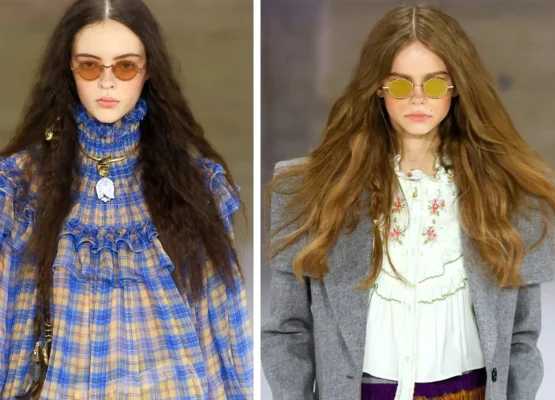
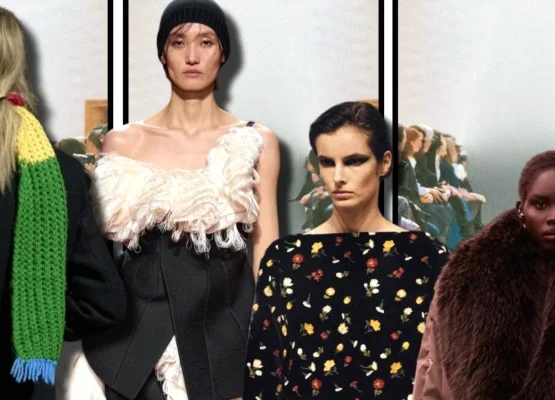
Designers noticed. That’s why Miu Miu, Saint Laurent, and Bottega Veneta are all leaning hard into 90s silhouettes for their 2026 collections. They’re not inventing a new trend. They’re just catching up to what the streets already decided.
4. It’s Sustainable — But Not in a Preachy Way
Nobody wants another lecture about the planet while they’re shopping.
What makes the 90s revival different is that sustainability is the bonus, not the selling point. People aren’t buying vintage because they feel guilty. They’re buying it because it looks better, fits better, and no one else in the room will be wearing the exact same thing.
That’s the secret weapon of vintage designer fashion: scarcity. When you find that perfect 90s Fendi Baguette or that Dolce & Gabbana corset top, there isn’t another one on the rack behind it. It’s yours. And in an era where everyone can order the same viral dress overnight, that uniqueness feels priceless.
So, How Do You Wear It Without Looking Like a Costume?
This is where most people get it wrong. The trick to 2026’s 90s look isn’t to dress head-to-toe like it’s 1997. It’s to take one iconic piece and make it modern.
Start here:
The One-Piece Rule: Pick one vintage hero piece — the blazer, the bag, the slip dress — and keep everything else simple and current. Let it do the talking.
Mix High and Low: Pair that vintage designer bag with straight-leg jeans from a high-street brand. Pair the 90s blazer with a modern white tee and sneakers. The contrast is what makes it look intentional, not like a Halloween costume.
Fit Is Everything: The 90s were all about proportion. If the top is oversized, keep the bottom slim. If the jeans are baggy, keep the top fitted. That balance is what made the original looks so effortless.
Don’t Chase Logos: The best 90s designer looks weren’t screaming. If you’re going vintage, look for cut, fabric, and construction first. The logo is just a bonus.
The Real Reason It’s Taking Over
Here’s what nobody’s saying: The 90s are back because we miss feeling effortless.
The last few years have felt loud, anxious, and over-styled. Every outfit felt like it needed to perform for a camera. The 90s didn’t perform. It just was.
A woman in a slip dress and loafers walking to work. A man in baggy jeans and a plain tee. No filter needed. No explanation needed. Just confidence.
That’s why vintage designer looks aren’t just a trend in 2026. They’re a mood. A reset. A reminder that style was never about having the most — it was about knowing what to keep.
So go back to that box. Pull out the blazer. Dust off the bag.
The 90s aren’t coming back.
They’re already here. And this time, they’re staying.