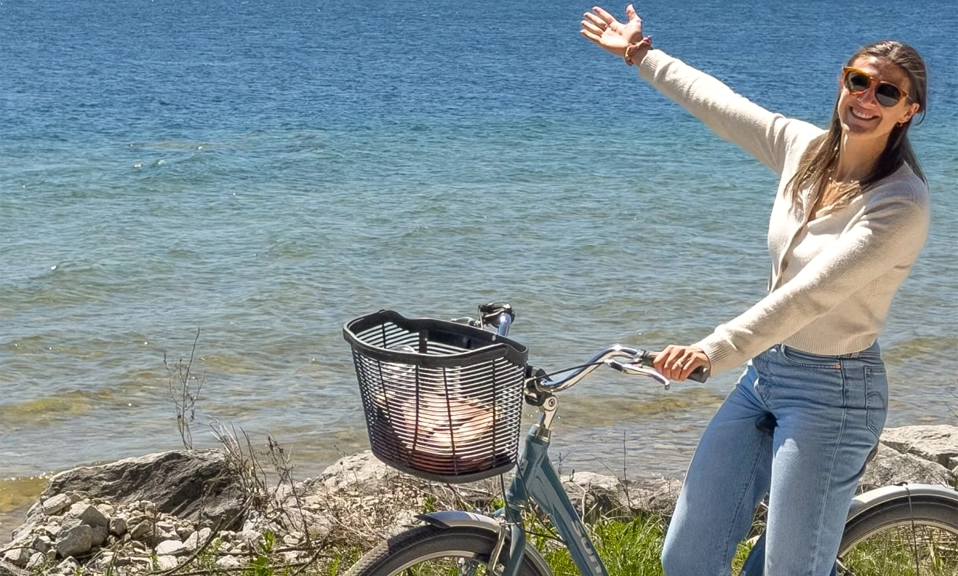
Imagine waking up to the sound of birds chirping, the gentle clip-clop of hooves on cobblestone, and the whir of bicycle chains.
There are no honking horns. No idling engines. No smell of exhaust fumes. No frantic search for a parking spot.
Welcome to Mackinac Island, Michigan—a picturesque, 4.3-square-mile municipality in the United States where private cars have been completely banned since 1898.
While the rest of the world has spent the last century paving over nature to make way for the automobile, this charming island town hit the brakes. And in doing so, it created a blueprint for what peaceful, sustainable, and community-focused living actually looks like.
Here’s a look inside the town where cars are forbidden, how it actually works, and what the rest of the world can learn from it.
🐎 The History: Why Were Cars Banned in the First Place?
In the late 19th century, the “horseless carriage” was the shiny new tech of the era. But when early automobiles first arrived on Mackinac Island, locals were horrified. The noisy, smoky machines terrified the island’s abundant horse population, kicking up dust and disrupting the tranquil resort atmosphere.
In 1898, the village council took decisive action, passing an ordinance that banned “dangerous and reckless” motor vehicles. The law was so effective and popular that it was codified into state law in 1960, and it remains strictly enforced today.
For over 125 years, the primary modes of transportation on the island have remained exactly the same: walking, bicycling, and horse-drawn carriages.
⚙️ How Do You Actually Live Without Cars?
It’s a fair question: How do you get groceries, build a house, or handle a medical emergency without a car?
The island has developed a highly efficient, low-tech logistics system:
- The Horse Economy: There are around 500 horses on the island. They pull taxis, deliver luggage from the ferry, and even haul freight.
- Electric Utility Vehicles: While private gas-powered cars are banned, the island allows a very small, strictly regulated number of electric utility vehicles for essential services (like the volunteer fire department, ambulance services, and a few construction/delivery vehicles). Even these are limited to a top speed of 25 mph. are limited to a top speed of 25 mph.
- The Bicycle Capital: With over 70 miles of scenic roads and trails, Mackinac Island is a cyclist’s paradise. Residents and the 300,000 annual tourists alike rely on bikes for daily commuting.
- The Ferry and Seaplane: To get to the island, you must leave your car behind on the mainland. You arrive via a 20-minute ferry ride or a scenic seaplane flight, instantly shifting your brain out of “rush hour” mode.
🌿 The Benefits: Why It Works So Well
Living without cars isn’t just a quirky historical gimmick; it has profound, measurable benefits for the town and its visitors.
- Immaculate Air Quality: Without tailpipe emissions, the air on Mackinac Island is incredibly fresh. It’s a haven for people with respiratory issues and a pristine environment for local wildlife.
- A Quieter, Slower Pace: The absence of traffic noise dramatically lowers stress levels. The island feels like a permanent vacation, encouraging people to slow down, make eye contact, and actually talk to their neighbors.
- Built-In Exercise: You can’t be entirely sedentary on Mackinac Island. The simple act of getting around requires physical movement, leading to a naturally more active population.
- Economic Boost: The unique, car-free atmosphere is the island’s biggest tourist draw. The horse-drawn carriage industry, bike rentals, and pedestrian-friendly shops create a thriving, localized economy.
🌍 Honorable Mentions: Other Car-Free Towns Around the World
Mackinac Island isn’t alone in its automotive rebellion. Several other places around the globe have successfully banned or severely restricted cars:
- Zermatt, Switzerland: Nestled at the foot of the iconic Matterhorn, this Alpine town has banned combustion-engine cars since 1931. Only tiny, quiet electric taxis and service vehicles are allowed, preserving the pristine mountain air and tranquility.
- Giethoorn, Netherlands: Often called the “Venice of the North,” this village has no roads in its old center. Instead, residents and tourists navigate a beautiful network of canals via whisper-quiet electric boats and walking paths.
- Hydra, Greece: This stunning Aegean island bans all motor vehicles (except for a few municipal trash trucks). Transportation is strictly by foot, donkey, or water taxi, maintaining its timeless, rustic charm.
- Venice, Italy: The most famous car-free city in the world. While it’s a major metropolis rather than a small town, its historic center is entirely restricted to boats and pedestrians, proving that large-scale car-free living is possible.
🏙️ What We Can Learn
We don’t all have to move to an island or a mountain village to reap the benefits of a car-free lifestyle. Mackinac Island and its global counterparts serve as a powerful proof of concept for modern urban planning.
They show us that when you remove cars from the equation, you don’t lose mobility—you gain community. You gain space for parks, wider sidewalks, outdoor dining, and human connection.
As cities worldwide begin to experiment with “15-minute neighborhoods,” pedestrian zones, and bike superhighways, the towns that banned cars over a century ago are no longer just historical curiosities. They are the pioneers of our sustainable future.
Could you live without a car, even for a week? Would you trade the convenience of driving for the peace and quiet of a place like Mackinac Island?