If you’ve paid any attention to nutrition science over the last few years, you’ve heard the term “Ultra-Processed Food” (UPF). It has become the biggest buzzword in the health world, replacing “carbs,” “gluten,” and “fat” as the ultimate dietary villain.
But here is where the debate gets murky.
Critics argue that the UPF label is too broad, pointing out that whole wheat bread and canned beans are technically “processed.” Meanwhile, a mountain of recent epidemiological studies links high UPF consumption to everything from metabolic disease and heart issues to declining mental health and accelerated aging.
So, what’s the truth?
The consensus among leading dietitians and food scientists is this: Not all processing is bad, but ultra-processing changes the fundamental structure of food in ways that override your body’s natural satiety signals.
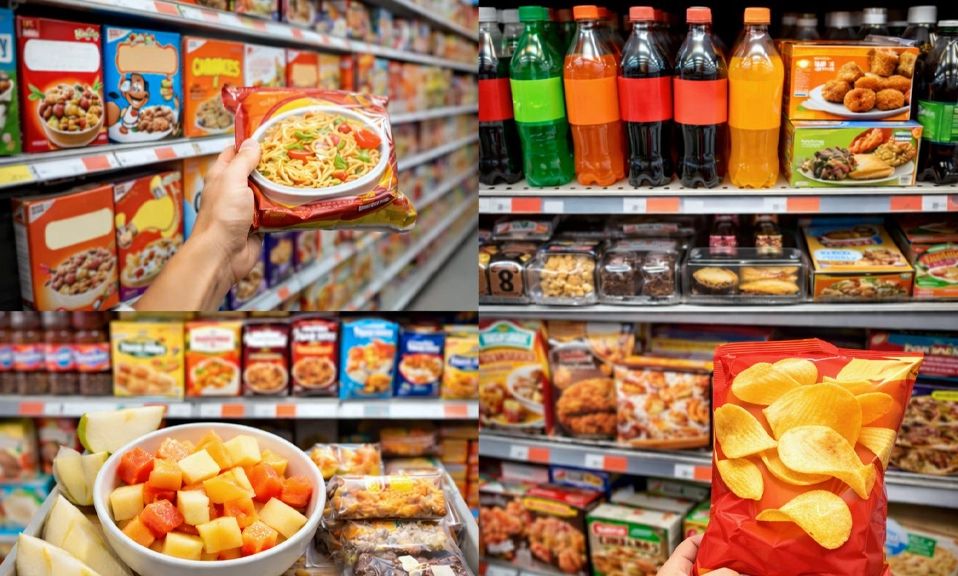
If a food is formulated in a lab with industrial ingredients you wouldn’t find in a home kitchen—emulsifiers, artificial flavours, thickeners, and high-fructose syrups—it’s ultra-processed. And if you are eating these foods every single day, it’s time to rethink your pantry.
Here are 10 common everyday foods that are secretly ultra-processed, and how to swap them out without sacrificing convenience or taste.
🥣 1. “Healthy” Breakfast Cereals & Granola
The Illusion: The box says “Whole Grain,” “High Fibre,” or “Heart Healthy,” so it must be good for you. The Reality: Most commercial cereals and granolas are extruded (blasted through a machine at high heat and pressure) and then coated in sugar syrups, vegetable oils, and artificial flavourings to make them hyper-palatable. They digest rapidly, spiking your blood sugar and leaving you hungry by 10 AM. The Swap: Switch to traditional rolled oats, steel-cut oats, or a no-sugar-added muesli. If you need convenience, make a large batch of overnight oats with chia seeds and real fruit.
🍓 2. Flavoured Yoghurts
The Illusion: Yoghurt is a health food packed with gut-friendly probiotics and calcium. The Reality: While plain yoghurt is fantastic, the “fruit on the bottom,” vanilla, and “low-fat” flavoured varieties are essentially dessert. To make up for the fat removed (or just to make it taste good), manufacturers add massive amounts of sugar, modified starches, and artificial flavourings. The Swap: Buy plain, full-fat or 2% Greek yoghurt. Sweeten it yourself at home with a drizzle of honey, a dash of cinnamon, and fresh or frozen berries.
🍫 3. Protein Bars & Meal Replacement Shakes
The Illusion: The ultimate on-the-go fitness fuel, packed with 20g of muscle-building protein. The Reality: Many commercial protein bars are just candy bars wearing a lab coat. They are loaded with sugar alcohols (which can cause severe bloating), isolated protein powders, industrial gums, and emulsifiers. They lack the “food matrix” of real food, meaning they don’t keep you full the way a real meal would. The Swap: Look for bars with fewer than 8 ingredients that you can actually pronounce (like RXBAR). Better yet, rely on whole foods: a couple of hard-boiled eggs, a handful of almonds, or a tub of Greek yoghurt.
🍞 4. Supermarket Sliced Bread & Wraps
The Illusion: A dietary staple. “Multigrain” or “Seeded” sounds wholesome. The Reality: To ensure cheap supermarket bread stays soft on the shelf for three weeks, it is pumped full of dough conditioners, emulsifiers (like DATEM), preservatives, and added sugars. Many commercial wraps contain more fat and additives than the bread they replace. The Swap: Buy bread from a local bakery or the freezer section (look for authentic sourdough). The ingredient list should be short: flour, water, salt, and a starter/culture.
🥗 5. Bottled Salad Dressings & Dips
The Illusion: You’re eating a salad, so the dressing must be fine, right? The Reality: Bottled dressings (especially “fat-free” or creamy ones like Ranch and Caesar) are ultra-processed emulsions. They are typically made with cheap, highly refined seed oils, high-fructose corn syrup, modified starches, and artificial preservatives. You just turned a bowl of healthy greens into an inflammatory bomb. The Swap: Make your own vinaigrette. It takes 30 seconds: 3 parts extra virgin olive oil, 1 part apple cider vinegar or lemon juice, a pinch of salt, and some Dijon mustard. For dips, blend your own hummus or use plain tzatziki.
🥪 6. Sliced Deli Meats (Cold Cuts)
The Illusion: A lean, convenient, low-carb protein source for sandwiches and lunches. The Reality: Sliced turkey, ham, and chicken breast from the deli counter are heavily processed. They are injected with water, salt, phosphates, and nitrates/nitrites (preservatives linked to health risks when consumed in high amounts) to keep them moist and pink. The Swap: Roast a whole chicken on Sunday and slice it for the week. Use canned wild-caught tuna or salmon, or switch to plant-based sandwich fillings like mashed chickpeas or leftover roasted vegetables.
🍝 7. Store-Bought Pasta & Pizza Sauces
The Illusion: It’s made of tomatoes! It’s practically a vegetable serving. The Reality: Open a jar of standard supermarket pasta sauce, and you’ll likely find added sugars (to cut the acidity of cheap tomatoes), modified food starches for thickness, and natural flavourings. It’s a highly processed convenience food masquerading as a whole food. The Swap: Buy high-quality canned crushed tomatoes or whole peeled tomatoes. Pour them into a pan, add a glug of olive oil, some garlic, salt, and fresh basil. It takes 15 minutes, tastes infinitely better, and contains zero UPFs.
🍪 8. Granola & Cereal Bars
The Illusion: The perfect “breakfast on the go” or healthy afternoon snack. The Reality: While they look rustic, most commercial granola bars are essentially cookies. The oats are glued together with brown rice syrup, corn syrup, or glycerin, and then baked with industrial seed oils. They are dense in calories but low in actual satiety. The Swap: Make your own baked oat bars at home using mashed bananas, oats, and nuts as the binder. Or, ditch the “bar” format entirely and snack on a piece of fruit with a handful of raw walnuts.
🧊 9. Bottled Iced Coffees & Frappes
The Illusion: A necessary morning caffeine fix to get through the workday. The Reality: Those delicious, shelf-stable bottled iced coffees and frappes are liquid desserts. To survive on a supermarket shelf without spoiling, they are loaded with stabilizers, emulsifiers, and staggering amounts of added sugar. Some contain more sugar than a can of soda. The Swap: Brew your own coffee or espresso at home. If you need it cold, make cold brew concentrate and keep it in the fridge. Sweeten it lightly with a dash of maple syrup or just enjoy it with a splash of regular milk.
🍔 10. Plant-Based “Meats” (Burgers & Nuggets)
The Illusion: They are vegan, cruelty-free, and marketed as a healthy, eco-friendly alternative to meat. The Reality: While they may have a lower carbon footprint, plant-based meats are the definition of ultra-processed. To make peas and beans taste and bleed like beef, manufacturers use methylcellulose (a space-grade binder), isolated protein powders, added synthetic vitamins, and heavy sodium. They are highly engineered food products, not whole foods. The Swap: You don’t have to give up plant-based eating, just upgrade it. Swap the fake burger for a black bean and quinoa patty, marinated and baked tempeh, or lentil bolognese.
🧠 The Nuance: Don’t Let Perfect Be the Enemy of Good
Before you throw out your entire pantry in a panic, let’s address the debate. Food processing is not inherently evil.
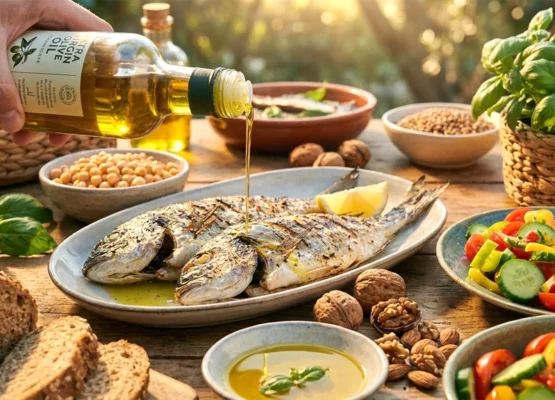
Freezing vegetables, canning beans, fermenting milk into yoghurt, and milling wheat into flour are all forms of processing. These are minimally processed or culinary processed foods, and they are the foundation of a healthy diet.
The issue is Ultra-Processing (Group 4 on the NOVA food classification scale). This is when food is broken down, stripped of its fibre matrix, and reassembled with industrial additives to make it hyper-palatable, cheap, and shelf-stable. These foods are scientifically engineered to override your brain’s “I’m full” signals, leading to overconsumption.
🛠️ 3 Rules for Rethinking Your Diet
- The “Grandma” Test: If you handed a food item to your grandmother and she couldn’t identify three or more of the ingredients on the back, it’s ultra-processed.
- The 80/20 Rule: You do not need to be 100% UPF-free to be healthy. Aim to get 80% of your calories from whole, minimally processed foods. Save the 20% for social events, travel, or when you’re just too tired to cook.
- Cook More, But Keep It Simple: You don’t need to be a Michelin-star chef. Learning to make three simple, whole-food meals (like a stir-fry, a sheet-pan roast, and a big salad) will automatically eliminate 90% of the UPFs from your daily routine.
Reclaim Your Food Matrix
The ultra-processed food debate isn’t about fear-mongering; it’s about awareness. The modern food environment is designed to make it incredibly easy to consume thousands of calories of hyper-palatable, nutrient-void industrial products without ever feeling truly nourished.
By simply swapping out these 10 everyday staples for their whole-food equivalents, you aren’t just cutting out additives and excess sugar. You are rebuilding the “food matrix” that your gut microbiome, your metabolism, and your brain have been craving all along.
You don’t have to be perfect. Just start reading the labels, and watch how quickly your energy levels stabilize.