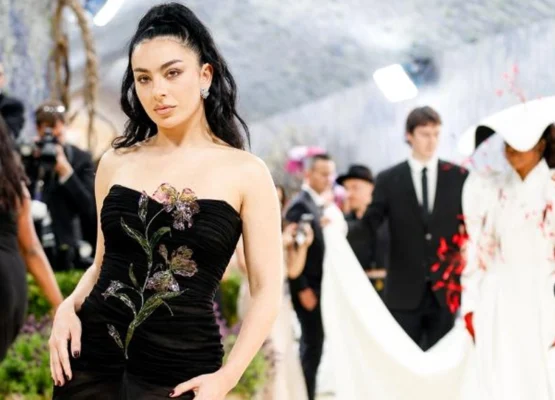
Halloween used to be a single night of make-believe—a brief window when adults could dress as something they were not, then return to their ordinary wardrobes the next morning. In 2026, that boundary has collapsed. Celebrity Halloween costumes are no longer ephemeral spectacles; they are fashion statements that ripple through the following season’s trends, inspire fast-fashion knockoffs within days, and blur the line between costume and clothing. The result is a fascinating cultural shift: fashion is becoming costume, and costume is becoming fashion.
The evidence is everywhere. When a pop star steps out in a meticulously crafted look inspired by a film character, the internet doesn’t just react—it shops. Within 48 hours, search engines report spikes in queries for the character’s signature items. Within a week, affordable replicas appear online. Within a month, those elements—the exaggerated collar, the structural shoulder, the dramatic fabric—start appearing in mainstream collections. Halloween has become a preview of what we will all be wearing next spring.
But the trend is more complicated than a simple pipeline from costume to closet. It raises questions about authenticity, creativity, and the increasingly blurred line between performance and personal style. When everyone is dressed as someone else, what does it mean to dress as yourself?
The Celebrity Costume as Fashion Forecast
The modern celebrity Halloween costume is not a last-minute party store purchase. It is a production—a carefully planned fashion moment that often involves custom designers, extensive fittings, and a strategic social media rollout. The most influential costumes are the ones that treat Halloween as a fashion show, not a novelty.
The method dressing phenomenon. In recent years, celebrities have increasingly used Halloween to engage in “method dressing”—a practice borrowed from actors who immerse themselves in a character. This goes beyond wearing a costume; it involves transforming into a fully realized aesthetic. When a celebrity commits to a character with custom-made, couture-level detail, the result is not just a costume but a fashion editorial. And the fashion world takes notice.
The 48-hour replication cycle. The speed at which costume trends translate into retail is staggering. A viral celebrity costume can inspire a fast-fashion replica before the original photographs have even finished circulating. This has created a new economic ecosystem around Halloween, where costume elements—a specific silhouette, a color palette, a distinctive accessory—are absorbed into mainstream fashion almost immediately.
The Instagram effect. Social media has amplified the influence of celebrity costumes by making them permanent. A costume worn for one night is photographed, shared, and archived forever. It becomes part of the celebrity’s visual identity and part of the cultural conversation. The most memorable costumes are the ones that are re-shared year after year, their influence compounding over time.
From Costume to Closet: The Translation Effect
The mechanism by which a costume becomes a fashion trend is both organic and commercial. It begins with a celebrity whose costume captures the cultural imagination, then moves through a series of translations that progressively soften the costume elements into wearable fashion.
Stage one: the costume. A celebrity appears in a costume that is dramatic, recognizable, and impeccably styled. It references a cultural touchstone—a film, a musician, a historical figure—but reinterprets it through a contemporary fashion lens. The costume is not a literal replica; it is a stylized homage.
Stage two: the fashion editorial. Within days, fashion publications dissect the costume, identifying its key elements: the silhouette, the fabric, the color, the accessories. They contextualize it within current trends and predict its influence on upcoming collections.
Stage three: the high-street adaptation. Designers and retailers begin incorporating the costume’s elements into their collections. The exaggerated shoulder becomes a blazer detail. The dramatic cape becomes a statement coat. The bold color becomes the season’s palette. By the time the next fashion season arrives, the costume’s DNA is woven into the mainstream.
Stage four: the everyday adoption. Consumers adopt the trend in softened forms. They may not wear a full costume, but they wear the individual elements: the bold lip, the voluminous sleeve, the metallic fabric. The costume has become a mood, a reference, a way of dressing that is subtly theatrical without being costume-y.
The Fashion-Costume Blur
The influence of Halloween on everyday style is not just about specific trends. It reflects a broader cultural shift: the dissolution of the boundary between performance and authenticity in fashion.
The rise of “dress-up” fashion. In 2026, fashion is increasingly theatrical. Designers are embracing drama, exaggeration, and fantasy. Runways are filled with pieces that feel like costumes: capes, corsets, dramatic ruffles, and sculptural silhouettes. The influence of Halloween—a night dedicated to transformation—is visible in the willingness of designers to embrace the fantastical.
The cosplay-to-couture pipeline. The influence runs in both directions. Just as Halloween costumes influence fashion, fashion is increasingly influenced by cosplay, anime, and gaming culture. The aesthetics of fantasy and sci-fi have moved from the margins to the mainstream, with designers drawing on visual languages that were once considered niche.
The authenticity paradox. When everyone is dressed as someone else, what does it mean to dress as yourself? The modern fashion landscape is defined by a tension between the desire for self-expression and the desire to participate in trends. Wearing a costume is a form of self-expression, but it is also a form of conformity. The same tension exists in everyday fashion: we want to look unique, but we also want to belong. The costume trend reflects this paradox, celebrating individual creativity while simultaneously creating a shared visual language.
The Darker Side: The Attention Economy and the Costume Arms Race
The celebrity costume trend is not without its critics. As Halloween has become a more visible and more competitive cultural event, the pressure to produce ever-more-elaborate costumes has increased.
The cost of the spectacle. Custom Halloween costumes can cost tens of thousands of dollars. While this is trivial for celebrities, it raises questions about the accessibility of the trend and the expectations it sets for ordinary people. The “costume arms race” has made Halloween a showcase of wealth as much as creativity.
The commodification of creativity. As costume trends become commercialized, the original creativity that inspired them is often lost. Fast-fashion replicas strip away the craftsmanship and personality of the original, reducing it to a product. The costume becomes a commodity, not a statement.
The cultural appropriation problem. The freedom to dress as anything or anyone has always raised questions about cultural sensitivity. When costumes borrow from cultures without understanding or respect, they can cause harm. The line between homage and appropriation is not always clear, and the trend toward increasingly elaborate costumes has made the debate more urgent.
Celebrity Halloween costumes
are no longer just a source of entertainment. They are a driver of fashion trends, a reflection of cultural values, and a window into the complex relationship between performance and identity. The costumes we see on the red carpet and the social media feed are not just costumes; they are statements about what fashion is becoming—more theatrical, more playful, more willing to blur the line between fantasy and reality.
The influence goes both ways. Halloween shapes fashion, but fashion is also shaping Halloween. The rise of “dress-up” fashion has made the costume a more sophisticated, more considered endeavor. The result is a cultural landscape where the distinction between costume and clothing is increasingly difficult to draw—and where the question of what it means to dress authentically is more relevant than ever.
As we move through the 2026 season, it is worth remembering that every costume is a choice, and every choice is a form of expression. The costume trend is not about losing yourself in another character. It is about exploring the many selves that fashion allows us to be. The most powerful costume is the one that feels like a celebration of who you are—even when you are dressed as someone else.