Walk into any home goods store in 2026 and you’ll notice something in the air. It’s not pine, not lavender, not the ubiquitous “clean cotton” of the previous decade. It’s coconut—creamy, warm, and unmistakably tropical. The coconut scent obsession has taken over home fragrance, from candles and diffusers to laundry detergents and even cleaning products. But why has this particular note become the defining scent of the moment? And what does it say about how we want our homes to feel?
The data is unambiguous. Searches for “coconut candles” have risen 72% year-over-year, while “coconut home fragrance” and “coconut diffuser” have both more than doubled. On TikTok, #coconutscent has accumulated over 890 million views, with creators showcasing everything from DIY coconut oil diffusers to “luxury resort bathroom” makeovers. Retailers report that coconut-scented products are among their fastest-selling home fragrance categories, often outpacing traditional seasonal scents like pumpkin spice and pine.
But the trend is not just about a pleasant smell. It is about a feeling—a desire to transform the home into a sanctuary that evokes the ease, warmth, and escapism of a tropical resort. In a world that often feels heavy and complicated, the coconut scent offers something simple: the promise of a holiday, even if only in your living room.
The Psychology of Coconut: Why It Makes Us Feel Good
The appeal of coconut is rooted in both biology and memory. The scent of coconut is associated with sun, sand, and relaxation—a sensory shortcut to the feeling of being on vacation. For many people, it triggers memories of childhood holidays, beach trips, and carefree summers. It is a scent that signals safety, warmth, and pleasure.
“Smell is the most direct route to the emotional centers of the brain,” explains Dr. Rachel Mercer, a psychologist who studies the relationship between scent and mood. “Coconut, in particular, is strongly associated with positive memories and a sense of escape. When you smell coconut, your brain doesn’t just register a pleasant odor—it activates a whole network of associations related to relaxation and reward.”
There is also a cultural dimension. The rise of the “luxury resort” aesthetic—think white linens, rattan furniture, and open-air spas—has made coconut the signature scent of a certain kind of aspirational lifestyle. It is the smell of the Maldives, of Bali, of the spa at a five-star hotel. Bringing that scent into the home is a way of bringing that lifestyle closer, even if the reality of daily life is far from a tropical paradise.
The Rise of the “Home Resort” Aesthetic
The coconut scent obsession is part of a broader trend: the transformation of the home into a personal resort. In 2026, the “home resort” aesthetic is everywhere—on Pinterest, on Instagram, in the pages of interior design magazines. It is characterized by natural materials, soft textures, warm lighting, and a color palette drawn from the beach: sand, sea glass, and coconut white.
Scent is the final frontier of this aesthetic. You can buy the rattan furniture and the linen curtains, but until the air smells right, the transformation is incomplete. Coconut fills that gap. It is the olfactory signature of the resort experience, the invisible element that ties the visual and the sensory together.
“People are investing more in their homes as places of retreat,” says interior designer Lena Hart. “The pandemic changed how we think about home. It is no longer just a place to sleep and store our things. It is a place to recharge, to entertain, to feel good. Scent is a powerful tool in that transformation, and coconut has become the shorthand for that resort feeling.”
The Product Explosion: From Candles to Cleaning Products
The market has responded to the demand with an explosion of coconut-scented products across every category of home fragrance and cleaning.
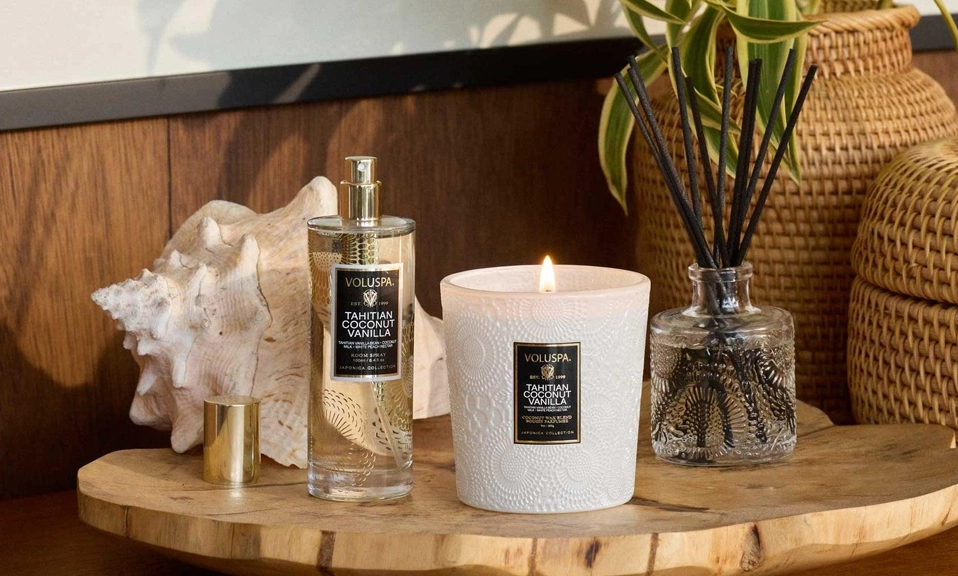
Candles. Coconut-scented candles are now a staple in the collections of major home fragrance brands, from Diptyque and Jo Malone to mass-market retailers like Bath & Body Works and Yankee Candle. The most popular versions blend coconut with other notes—vanilla, sea salt, jasmine, or sandalwood—to create a more complex, sophisticated scent profile.
Diffusers and room sprays. Reed diffusers and room sprays in coconut scents have become bestsellers, offering a continuous, low-maintenance way to keep the home smelling like a resort. Many brands now offer refillable diffusers, appealing to consumers who want to reduce waste.
Laundry and cleaning products. Perhaps the most surprising development is the rise of coconut-scented laundry detergents, fabric softeners, and multi-surface cleaners. Brands are capitalizing on the desire for a cohesive scent experience throughout the home—from the sheets you sleep on to the counters you wipe down.
Personal care crossover. The coconut obsession extends beyond the home into personal care, with coconut-scented body washes, lotions, and hair products flying off the shelves. The line between home fragrance and personal fragrance is blurring, as consumers seek a consistent sensory identity.
The DIY Movement: Making Your Own Coconut Scent
For many people, the appeal of coconut is not just the scent itself but the ritual of creating it. DIY coconut home fragrance has become a popular trend on social media, with creators sharing recipes for homemade coconut oil diffusers, coconut wax candles, and natural room sprays.
The most common DIY method involves simmering coconut oil with water and a few drops of coconut extract or essential oil on the stovetop, filling the home with a warm, natural scent. Others use coconut oil as a base for homemade candles, blending it with beeswax and a wick for a clean-burning, coconut-scented flame.
The DIY approach appeals to consumers who want to avoid synthetic fragrances and the chemicals found in some commercial products. It also offers a sense of control—you know exactly what is in the product, and you can adjust the intensity to your preference.
The Caveats: Synthetic Fragrances and Indoor Air Quality
The coconut scent obsession is not without its critics. A growing body of research suggests that synthetic fragrances—including those used in candles, diffusers, and cleaning products—can release volatile organic compounds (VOCs) that may affect indoor air quality and trigger allergies or asthma in sensitive individuals.
“Not all coconut scents are created equal,” says Dr. Mercer. “Natural coconut oil or extract has a gentle, authentic scent. But many commercial products use synthetic fragrance blends that can be overpowering and potentially irritating. Consumers should look for products that disclose their ingredients and avoid those with undisclosed ‘fragrance’ listings if they have sensitivities.”
The good news is that the market is responding. A growing number of brands now offer coconut-scented products made with natural essential oils, free from phthalates and synthetic musks. Certification labels like EWG Verified and MADE SAFE can help consumers identify safer options.
How to Achieve the Coconut Resort Scent at Home
If you want to bring the coconut resort scent into your home, here are some practical tips.
Start with a signature scent. Choose one coconut-based product—a candle, a diffuser, or a room spray—and make it the anchor of your home’s scent profile. Consistency is key; layering too many different scents can create confusion rather than calm.
Layer subtly. If you want a more complex scent, layer coconut with complementary notes: vanilla for warmth, sea salt for freshness, or sandalwood for depth. Avoid combining coconut with strong floral or spicy scents, which can clash.
Extend the experience. Use coconut-scented laundry detergent or fabric softener to carry the scent through your linens and towels. A coconut-scented multi-surface cleaner can subtly reinforce the aroma in kitchens and bathrooms.
Go natural when possible. Simmer coconut oil with water on the stovetop for a simple, natural home fragrance. Or make your own coconut wax candles for a cleaner burn.
Ventilate. Even natural scents can become overwhelming in a closed space. Open windows regularly to refresh the air and prevent scent fatigue.
The coconut scent obsession
is more than a passing trend. It reflects a deeper desire for home as a place of escape, comfort, and sensory pleasure. In a world that often feels chaotic and demanding, the smell of coconut offers a small, accessible luxury—a reminder of sun, sand, and the feeling of being on holiday, even if only in your imagination.
The market has responded with an explosion of products, from luxury candles to everyday cleaning supplies. The DIY movement has made it easy to create your own coconut scent at home. And the growing availability of natural, safer formulations means you can indulge in the trend without compromising indoor air quality.
So if you’ve been wondering why everyone’s home smells like a tropical resort, now you know. The coconut scent is not just a fragrance. It is a mood, a memory, and a small act of self-care in a complicated world. And it is here to stay.