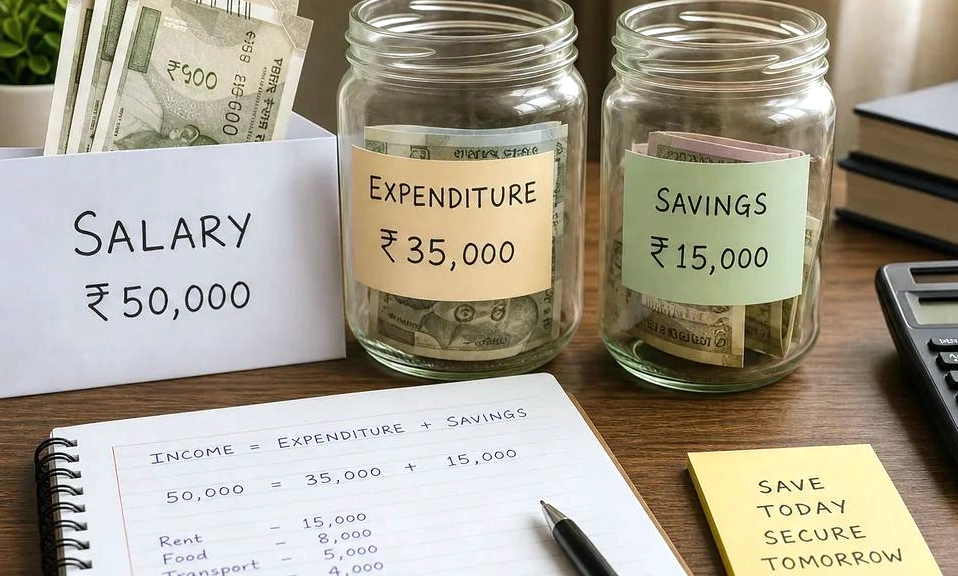
The 50/30/20 rule is the most famous budgeting framework in personal finance. Spend 50% of your after-tax income on needs, 30% on wants, and 20% on savings and debt repayment. It is simple, memorable, and endlessly shareable—which is exactly why it has survived for two decades. But in 2026, with housing costs at record highs, inflation still biting, and debt more expensive than it has been in years, a fair question has emerged: does the rule still work, or is it a relic of a cheaper era?
The honest answer is that the 50/30/20 rule still works—but not for everyone, and not without adjustment. It remains one of the best starting frameworks for people who have never budgeted before, because it forces the three most important categories into view and gives them a simple structure. But for many households in 2026, the percentages no longer fit the reality of their expenses. The rule is a starting point, not a straitjacket.
Here is what the rule gets right, where it falls short in 2026, and how to adapt it to your actual life.
What the 50/30/20 Rule Actually Says
The rule was popularized by U.S. Senator Elizabeth Warren and her daughter Amelia Warren Tyagi in their 2005 book All Your Worth: The Ultimate Lifetime Money Plan. The premise is straightforward:
50% of after-tax income goes to needs: housing, groceries, utilities, insurance, transportation, minimum debt payments, and essential healthcare.
30% goes to wants: dining out, entertainment, travel, subscriptions, hobbies, and non-essential shopping.
20% goes to savings and debt repayment: emergency fund, retirement contributions, investments, and extra payments on debt beyond the minimum.
The appeal is its simplicity. It does not require tracking every coffee or categorizing every purchase. It gives you three buckets and a clear target for each. For someone who has never budgeted, that clarity can be transformative.
Where the Rule Still Works
The 50/30/20 rule remains useful for several reasons.
It is a behavioral scaffold. Most people fail at budgeting not because they lack information but because they lack structure. The rule provides a simple framework that is easy to remember and apply. It reduces the cognitive load of financial decision-making, which is one of the biggest barriers to consistent budgeting.
It prioritizes savings. The 20% savings target is ambitious for many households, but it is also a useful aspiration. It forces you to treat savings as a non-negotiable expense rather than an afterthought. For people who have never saved consistently, the rule provides a clear goal.
It is flexible within categories. The rule does not tell you how to spend your 30% of wants or your 50% of needs. It gives you freedom within the buckets. That flexibility makes it more sustainable than rigid, line-item budgets that collapse at the first unexpected expense.
It works well for higher-income households. For households with sufficient income to cover the 50% needs threshold comfortably, the rule is a reliable and effective framework. It allows for a comfortable lifestyle while still prioritizing savings.
Where the Rule Falls Short in 2026
The 50/30/20 rule was designed in a different economic era. In 2005, housing was cheaper, healthcare was less expensive, and student debt was lower. In 2026, the assumptions behind the rule are under strain.
Housing costs have broken the 50% threshold for many households. In many cities, rent or mortgage payments alone consume 40–50% of after-tax income. Add utilities, groceries, insurance, and transportation, and the “needs” category can easily exceed 60–70% of income. For these households, the 50% target is not a budgeting failure—it is a structural reality. The rule does not account for the fact that housing costs have risen far faster than wages in many markets.
Inflation has squeezed the wants category. The cost of dining out, entertainment, and travel has risen significantly. For households that are already stretching to cover needs, the 30% wants allocation feels unrealistic. Many people are cutting wants to the bone just to cover essentials, which means the rule’s middle category is no longer a meaningful guide.
Debt costs are higher. Credit card rates are above 20%, and student loan payments have resumed for millions of borrowers. The 20% savings and debt repayment bucket now has to stretch further. For households carrying high-interest debt, 20% may not be enough to make meaningful progress on repayment while also saving for emergencies and retirement.
Income volatility is more common. The rule assumes a stable, predictable after-tax income. But in 2026, more people are working gig jobs, freelancing, or navigating variable hours. For them, a fixed percentage-based budget is harder to apply than a zero-based budget that allocates whatever income arrives each month.
It does not account for irregular expenses. Annual insurance premiums, car repairs, holiday gifts, and medical bills are not monthly expenses, but they are real costs. The 50/30/20 rule does not provide a clear home for them, which can lead to surprise expenses derailing the budget.
The Verdict: Still Useful, But Not Universal
The 50/30/20 rule is not obsolete. It is a useful starting point, especially for people who are new to budgeting and need a simple framework to get started. But it is not a one-size-fits-all solution, and treating it as gospel can lead to frustration and self-blame when the numbers do not fit.
The better approach is to use the rule as a template, not a rulebook. Adjust the percentages to reflect your actual circumstances. If housing costs are high, increase the needs allocation. If you are aggressively paying off debt, increase the savings/debt bucket and reduce wants. If you have a variable income, use a zero-based budget instead.
How to Adapt the Rule for 2026
Here are several adaptations that make the 50/30/20 framework more realistic for modern households.
The 60/20/20 Rule
For households in high-cost cities, a 60/20/20 split may be more realistic: 60% for needs, 20% for wants, and 20% for savings and debt. This acknowledges that housing and essential costs are higher while still preserving the savings priority.
The 70/20/10 Rule
For households with lower incomes or high debt burdens, a 70/20/10 split may be necessary: 70% for needs, 20% for savings and debt, and 10% for wants. This prioritizes stability and debt reduction over discretionary spending.
The 50/15/35 Rule
For households aggressively paying off debt, a 50/15/35 split may make sense: 50% for needs, 15% for wants, and 35% for debt repayment and savings. This front-loads debt reduction while still allowing some room for enjoyment.
Zero-Based Budgeting
For people with variable incomes or complex expenses, zero-based budgeting may be more effective than percentage-based rules. In zero-based budgeting, every dollar is assigned a job at the start of the month. Income minus expenses equals zero. This approach is more labor-intensive but provides greater control and flexibility.
Pay-Yourself-First
An alternative to the 50/30/20 rule is to automate savings and investing first, then spend what remains. This flips the rule on its head: instead of saving 20% after spending, you save first and spend the rest. This approach is behaviorally powerful because it removes the temptation to spend the savings.
The 50/30/20 rule
is not dead. It is a useful, simple framework that has helped millions of people take control of their finances. But it is not a universal law. In 2026, with housing costs high, inflation persistent, and debt expensive, the rule needs to be adapted to the realities of modern life.
Use it as a starting point. Adjust the percentages to fit your income, your expenses, and your goals. If the numbers do not work, do not blame yourself—change the numbers. The goal is not to follow a rule perfectly. It is to build a budget that works for you, that you can sustain, and that moves you toward financial security.
The 50/30/20 rule is a tool, not a test. Use it wisely, and it will serve you well.