If you’ve ever considered eating less meat, you’ve almost certainly heard the same question on repeat: “But where do you get your protein?”
It’s the number one concern for anyone dipping their toes into plant-based eating. And it’s a fair question. Protein is essential for muscle repair, immune function, satiety, and long-term health. The fitness industry has spent decades convincing us that if protein doesn’t come from a chicken breast, a scoop of whey, or a steak, it somehow “doesn’t count.”
Here is the truth that the supplement companies don’t want you to know: Getting enough protein on a plant-based diet is not only easy, it’s usually cheaper than eating meat.
While a pound of grass-fed beef can cost $8 to $12, a pound of dried lentils costs about $2 and delivers nearly the same amount of protein—plus fibre, antioxidants, and zero cholesterol.
If you want to eat more plants without sacrificing your protein intake (or your budget), here are 10 affordable, delicious, and scientifically backed ways to do it.
🫘 1. Lentils (The Undisputed King of Budget Protein)
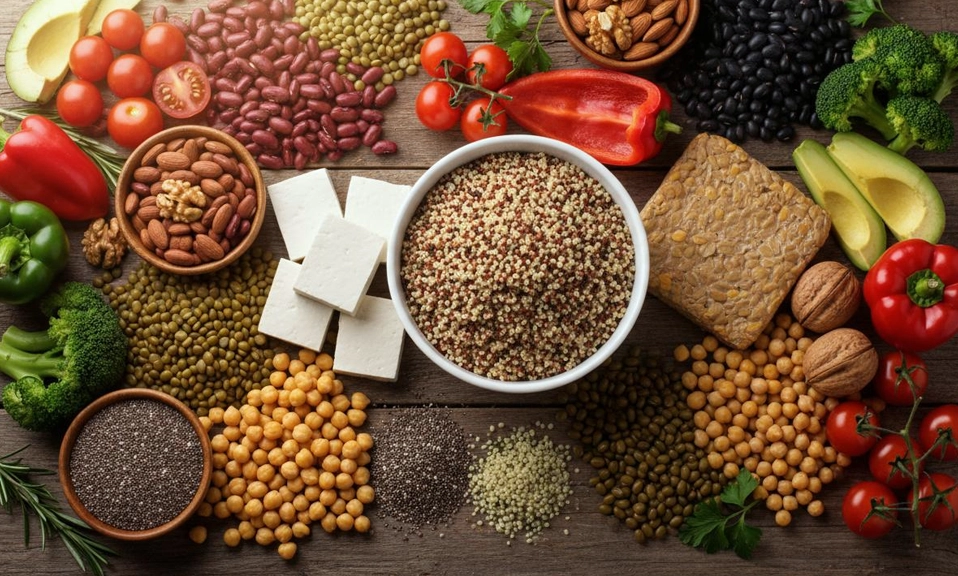
The Numbers: ~18g protein per cooked cup. Cost: ~$0.25 per serving. Why it works: Lentils are the holy grail of plant-based eating. They are cheap, shelf-stable, cook in 20 minutes (no soaking required), and are packed with fibre, iron, and folate. They are a staple in every “Blue Zone” (regions where people live the longest) for a reason. How to use it: Swap lentils 1:1 for ground beef in bolognese, tacos, or shepherd’s pie. Blend them into dal, toss them into salads, or use red lentils to thicken soups.
🥣 2. Chickpeas (The Versatile Workhorse)
The Numbers: ~15g protein per cooked cup. Cost: ~$0.30 per serving (dried) or ~$0.70 (canned). Why it works: Chickpeas (garbanzo beans) have a mild, nutty flavour and a firm texture that holds up in almost any dish. They are rich in resistant starch, which feeds your gut microbiome and keeps your blood sugar stable. How to use it: Blend them into hummus, roast them with spices for a crunchy snack, toss them into curries, or mash them with vegan mayo for a “no-tuna” sandwich filling.
🖤 3. Black Beans (The Fibre Champion)
The Numbers: ~15g protein per cooked cup. Cost: ~$0.25 per serving. Why it works: Black beans have one of the highest fibre-to-protein ratios of any food on the planet. They are also loaded with anthocyanins (the same antioxidant found in blueberries), making them a powerful anti-inflammatory food. How to use it: Black bean burgers, burrito bowls, soups, and even black bean brownies (seriously, you can’t taste them).
🧊 4. Tofu (The Chameleon)
The Numbers: ~20g protein per cup (firm tofu). Cost: ~$0.50–$1.00 per serving. Why it works: Tofu is a complete protein (it contains all nine essential amino acids) and is incredibly rich in calcium and iron. It’s also a blank canvas—its flavour is entirely determined by how you season it. How to use it: Press it, cube it, and bake it crispy for stir-fries. Crumble it and scramble it with turmeric for a “tofu scramble.” Blend silken tofu into smoothies for a creamy, protein-packed texture.
🌰 5. Tempeh (The Fermented Superfood)
The Numbers: ~31g protein per cup. Cost: ~$1.00–$1.50 per serving. Why it works: Tempeh is made from fermented whole soybeans, pressed into a dense, nutty cake. Because it uses the whole bean (unlike tofu), it has more protein, more fibre, and a probiotic bonus for your gut. Its firm texture makes it an excellent meat substitute. How to use it: Slice it thin, marinate it in soy sauce and maple syrup, and pan-fry it for “tempeh bacon.” Crumble it into a spicy “sausage” crumble for pasta dishes.
🌱 6. Edamame (The Perfect Snack)
The Numbers: ~17g protein per cooked cup. Cost: ~$0.75 per serving (frozen). Why it works: Edamame (young soybeans) is one of the few plant foods that is a complete protein. It’s also rich in choline, a nutrient critical for brain health that most people don’t get enough of. How to use it: Buy them frozen (in the pod or shelled). Steam them for 3 minutes, sprinkle with sea salt, and eat them as a snack. Toss shelled edamame into salads, grain bowls, or stir-fries.
🥜 7. Peanuts and Peanut Butter (The Calorie-Dense Classic)
The Numbers: ~7g protein per tablespoon of peanut butter; ~31g per cup of whole peanuts. Cost: ~$0.15 per tablespoon. Why it works: Peanuts are technically legumes, not nuts, and they are one of the most affordable protein sources on the planet. They are also rich in heart-healthy monounsaturated fats and resveratrol. How to use it: Stir peanut butter into oatmeal, blend it into smoothies, use it as a base for satay sauces, or simply eat a handful of dry-roasted peanuts as a snack. Tip: Buy peanuts in bulk and make your own peanut butter—it’s cheaper and contains zero added sugar or palm oil.
🥣 8. Oats (The Breakfast Powerhouse)
The Numbers: ~6g protein per half-cup (dry). Cost: ~$0.15 per serving. Why it works: Oats are often overlooked as a protein source, but they contain more protein than most other grains. They are also loaded with beta-glucan fibre, which lowers cholesterol and keeps you full for hours. How to use it: Make overnight oats, baked oatmeal cups, or savoury oat bowls. Pro tip: Boost the protein by stirring in a spoonful of peanut butter, hemp seeds, or soy milk while cooking.
🌾 9. Hemp Seeds and Chia Seeds (The Tiny Protein Bombs)
The Numbers: Hemp seeds: ~10g protein per 3 tablespoons. Chia seeds: ~5g protein per 2 tablespoons. Cost: ~$0.40–$0.60 per serving. Why it works: Both of these seeds are complete proteins and are loaded with omega-3 fatty acids. Hemp seeds have a mild, nutty flavour, while chia seeds are virtually tasteless but absorb 10x their weight in liquid, making them perfect for puddings. How to use it: Sprinkle hemp hearts on salads, yoghurt alternatives, and avocado toast. Make chia pudding by soaking chia seeds in plant milk overnight.
🧀 10. Nutritional Yeast (The Cheesy Flavour Bomb)
The Numbers: ~8g protein per 2 tablespoons. Cost: ~$0.30 per serving. Why it works: “Nooch” is a deactivated yeast that has a cheesy, umami flavour. It’s a complete protein and is typically fortified with B12—a nutrient that plant-based eaters need to supplement. It’s a secret weapon for adding savoury depth to plant-based meals. How to use it: Sprinkle it on popcorn, pasta, roasted vegetables, or blend it into a cashew-based “cheese” sauce.
🧠 The Big Myth: “You Need to Combine Proteins at Every Meal”
For decades, people were told that plant proteins were “incomplete” and had to be carefully combined at every meal (like rice and beans) to form a complete protein.
This has been thoroughly debunked.
Your body maintains a “pool” of amino acids throughout the day. As long as you eat a variety of plant protein sources over the course of the day, your body will assemble the complete proteins it needs. You do not need to obsess over combining foods at every single meal. Just eat a diverse range of legumes, grains, seeds, and nuts, and you will easily hit all your amino acid requirements.
📊 A Realistic Daily Plant-Based Protein Blueprint
Wondering what 100+ grams of plant protein actually looks like in a day? Here’s a simple example:
- Breakfast: Oatmeal made with soy milk, topped with 2 tbsp hemp seeds and 2 tbsp peanut butter = ~25g protein
- Lunch: Lentil and vegetable soup with a slice of whole-grain bread = ~22g protein
- Snack: Apple with 2 tbsp peanut butter and a sprinkle of nutritional yeast on rice cakes = ~15g protein
- Dinner: Tofu stir-fry with edamame, broccoli, and brown rice = ~35g protein
- Evening: A small bowl of soy yoghurt with chia seeds = ~12g protein
- Total: ~109g protein (and this is without using any protein powder!)
💡 3 Rules for Plant-Based Protein Success
- Embrace Soy: Tofu, tempeh, edamame, and soy milk are the most protein-dense plant foods on the planet. Don’t fear them—decades of research show they are safe and highly beneficial for most people.
- Think “Addition,” Not “Subtraction”: Instead of asking “What am I giving up?”, ask “What new proteins can I add?” Every time you add lentils, chickpeas, or hemp seeds, you’re crowding out less nutritious foods naturally.
- Use a Tracker for the First Week: Most people dramatically underestimate how much protein they’re eating. Use an app like Cronometer for just one week to calibrate your intuition. You’ll likely be surprised by how much protein you’re already getting.
Plants Are Protein Powerhouses
The idea that you need meat to get enough protein is a marketing myth, not a biological fact. Some of the strongest animals on the planet—gorillas, elephants, and oxen—are 100% plant-based.
By leaning on affordable, versatile staples like lentils, tofu, beans, and seeds, you can build a diet that is high in protein, low in cost, and incredibly rich in the fibre, antioxidants, and phytonutrients that meat simply cannot provide.
You don’t have to go fully plant-based to see the benefits. Even swapping out a few meat-heavy meals each week for plant-based protein powerhouses will do wonders for your health, your wallet, and the planet.