Walk into any grocery store in 2026 and the message is unmistakable. Protein is in everything. Protein coffee. Protein Pop-Tarts. Protein soda. Protein ice cream. Protein pancake mix. The shelves have been rebranded, the marketing has shifted, and the word “protein” has become the closest thing the food industry has to a magic spell.
The numbers back up the frenzy. According to FMCG Gurus, 48% of global consumers want to increase their protein intake, and 30% have already done so in pursuit of a healthier lifestyle. In the US, 61% of consumers reported actively increasing their protein intake in 2024, up from 48% in 2019. Mintel recorded 6.2% growth in food and beverage launches carrying a “high/added protein” claim. Protein is no longer a niche category for bodybuilders. It is the defining food trend of the year.
But here is the question that the marketing rarely answers: do you actually need more protein? And if you do, how much? The answer is more nuanced than the hype suggests — and for most people, it is not what the labels want you to believe.
The Guidelines Have Changed — And That’s Part of the Confusion
The protein conversation has been reshaped by a genuine scientific update. In January 2026, the Dietary Guidelines for Americans raised the recommended protein intake for adults from the long-standing 0.8 grams per kilogram of body weight to 1.2 to 1.6 grams per kilogram per day — nearly doubling the previous minimum.
For a 150-pound (68 kg) person, that translates to 82 to 109 grams of protein a day, compared with the old minimum of about 54 grams. For a 200-pound (91 kg) man, it means 109 to 145 grams; for a 170-pound (77 kg) woman, 93 to 123 grams.
That change is real, and it reflects a growing body of evidence that the old RDA — designed primarily to prevent deficiency in sedentary adults — may not be enough to support muscle maintenance, healthy aging, and metabolic health. The new range is a meaningful shift.
But it has also been seized upon by an industry eager to sell more protein. The nuance — that the higher end of the range applies to active people, older adults, and those with specific goals, not everyone — has been lost in the noise.
What Your Body Actually Needs: A Breakdown
Protein needs are not one-size-fits-all. They vary by age, activity level, health status, and life stage. Here is what the evidence actually says.
Sedentary adults: 0.8–1.0 g/kg
If you are largely inactive, the original RDA still applies. The 0.8 g/kg figure is the minimum needed to prevent deficiency and maintain basic bodily functions. Some researchers argue that even sedentary adults may benefit from slightly more, but the evidence for a dramatic increase in this group is limited.
Active adults: 1.2–1.6 g/kg
This is where the new guidelines land. People who exercise regularly — particularly those doing resistance training — need more protein to repair and build muscle. The 1.2–1.6 g/kg range is the sweet spot for general active adults, and it is the range the new US guidelines recommend for the broader population.
Athletes and resistance-trained individuals: 1.4–2.0 g/kg
For people who train intensely and consistently, the evidence supports 1.4 to 2.0 g/kg to build and maintain muscle. A 180-pound (82 kg) person in this category might target around 125–160 grams a day.
Older adults (65+): 1.0–1.2 g/kg, possibly higher
This is one of the most important and most overlooked categories. Aging is associated with sarcopenia — the gradual loss of muscle mass and strength — and higher protein intake helps offset it. The European Society for Clinical Nutrition and Metabolism (ESPEN) recommends at least 1.0 g/kg for older adults, with 1.0–1.2 g/kg widely cited as the target for healthy older adults, and more than 1.2 g/kg for those with sarcopenia or frailty. A 2026 paper in npj Aging reinforced that protein intake exceeding the current RDA is needed to offset age-related changes in neuromuscular tissue.
A healthy 70-kilogram older adult should be aiming for roughly 70 to 84 grams a day — not the 56 grams implied by the old allowance.
Pregnant women: higher intake
Pregnancy increases protein needs to support fetal growth and maternal tissue changes. The new guidelines acknowledge this, though specific recommendations vary by trimester and individual circumstances.
The Catch: It’s Not Just How Much — It’s What Comes With It
Here is where the protein craze gets genuinely problematic.
Harvard’s Teresa Fung, adjunct professor of nutrition at the Harvard T.H. Chan School of Public Health, told Smithsonian magazine that most Americans are probably already eating enough protein unless they have specific health or fitness needs. The bigger concern, she said, is what else people are consuming with their “protein package”.
Animal protein contains saturated fat and cholesterol, which can increase the risk of cardiovascular disease. And ultra-processed foods marketed as high-protein may also be high in sugar, salt, and other unhealthy ingredients. A protein bar might deliver 20 grams of protein — and 15 grams of sugar. A protein shake might be fortified with vitamins — and loaded with artificial sweeteners and fillers. A “high-protein” frozen meal might be processed to the point where the protein is the least interesting thing in it.
This is the “protein tunnel-vision” that Cambridge researcher Dr Chris Macdonald warns about: focusing on the protein number while ignoring the overall nutritional quality of the food. “You might be getting a lot of protein from a protein bar,” he notes, “but you might also be getting a lot of sugar. Likewise, you might have a lot of protein on your plate but it might be lacking fibre and micronutrients”.
Fung’s recommendation is straightforward: get more protein from plant-based foods such as quinoa, soybeans, buckwheat, and chia seeds, which are high in fiber — an ingredient most Americans actually need more of. She also dispelled the myth that plant-based eaters need to obsess over amino acid combining. “People don’t just eat one type of plant source,” she said. “As long as we eat a variety of plant foods, generally, it’s not a problem.”
The Risks: What Happens When You Overdo It
For healthy people with functioning kidneys and livers, eating more protein than you need is not usually dangerous. As Fung put it, “eating more is not a problem, because the excess protein can usually be handled by a healthy kidney and a healthy liver”. There is nowhere to store extra protein, so the body either uses it for energy or excretes it.
But “not usually dangerous” is not the same as “always safe.”
For people with kidney disease, high-protein diets can worsen kidney function, because the body may not be able to eliminate all the waste products from protein breakdown. The Mayo Clinic is clear on this: a high-protein diet can exacerbate kidney decline in people with existing kidney disease.
For bone health, the picture is debated. Some critics argue that high-protein, acid-producing diets may accelerate bone loss and increase osteoporosis risk. Others point to evidence that adequate protein supports bone density, especially in older adults. The research is not settled, and the answer may depend on the source of protein and the overall diet.
For heart health, the source matters enormously. Diets high in red and processed meat — which are often the default in high-protein plans — can raise LDL cholesterol and increase cardiovascular risk. The Mayo Clinic recommends choosing soy protein, beans and legumes, nuts and seeds, fish, skinless poultry, lean meat, low-fat dairy, and egg whites over processed meats and fatty cuts.
For digestion, very high-protein, low-carbohydrate diets — like the carnivore diet — can limit fiber intake, leading to constipation, bad breath, and headaches. They may also displace the fiber-rich foods that feed a healthy gut microbiome.
The Training-First Approach: Protein Alone Won’t Save You
Perhaps the most important message from the 2026 research is that protein is not a shortcut. It is a supplement to — not a substitute for — physical activity.
Dr Macdonald’s review, published in Frontiers in Nutrition, emphasizes a “training-first approach”. “Simply increasing your protein intake will not get you the health benefits you are looking for,” he writes. “You need to start with the training and then view nutrition as a way of supporting and fuelling that.”
The data he cites is striking. Low muscular strength is associated with a ~200% increase in all-cause mortality risk relative to high strength. Very low cardiorespiratory fitness is associated with a ~400% higher mortality risk compared with high fitness. For context, smoking is associated with a ~50% increase in mortality risk. Physical inactivity is, by this measure, far more dangerous than many of the things we worry about more.
Protein supports the muscle you build through training. It does not build the muscle for you. And the combination of aerobic exercise and resistance training appears to provide the strongest benefits for maintaining physical and cognitive function as you age.
So, Do You Need More Protein?
Probably not as much as the marketing suggests — but possibly more than you’re getting if you’re older, active, or pregnant.
The honest answer depends on who you are:
If you’re a sedentary adult eating a varied diet: you are almost certainly getting enough. Focus on food quality, fiber, and moving more.
If you’re active and training regularly: aim for 1.2–1.6 g/kg, prioritizing whole food sources over supplements and processed protein products.
If you’re over 65: aim for 1.0–1.2 g/kg or slightly higher, and distribute protein across meals. This is one of the most evidence-backed reasons to pay attention to protein intake.
If you’re pregnant: your needs are higher, and your healthcare provider can give you specific guidance.
If you have kidney disease: talk to your doctor before increasing protein. High intake may be harmful.
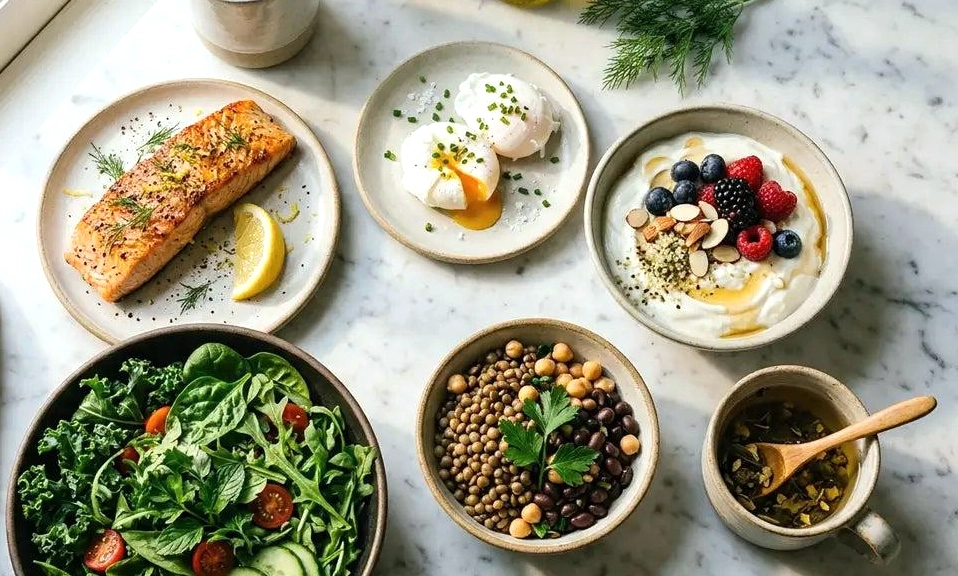
And regardless of which category you fall into, the source matters as much as the amount. A chicken breast, a bowl of lentils, a piece of salmon, a handful of nuts, a serving of Greek yogurt — these are protein packages that come with fiber, micronutrients, and healthy fats. A protein cookie does not.
The protein craze is real,
and it is not going away. The new dietary guidelines have given it scientific legitimacy, the food industry has turned it into a marketing engine, and social media has turned it into a lifestyle identity.
But the frenzy has obscured a simpler truth: most people who eat enough calories are already getting enough protein. The people who genuinely need more — older adults, athletes, pregnant women — are often not the ones buying the protein soda and the protein Pop-Tarts. And the people who are buying those products may be getting more sugar, salt, and saturated fat than they realize.
Protein is essential. It builds muscle, supports the immune system, and helps you feel full. But it is not magic. It is one part of a diet that should be varied, mostly plant-based, rich in fiber, and paired with movement.
Eat enough. Choose your sources wisely. And don’t let the label do the thinking for you.