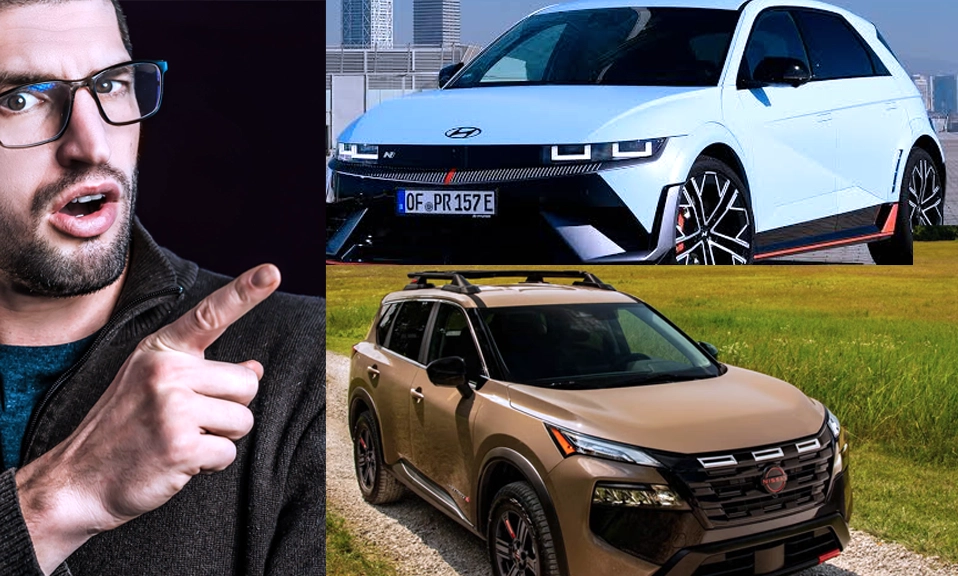
The debate is as old as the modern EV revolution itself: Are electric cars really cheaper to own than petrol (gasoline) cars, or is it just clever marketing?
For years, the answer was a frustrating “it depends.” But as we move through 2026, the math has fundamentally shifted. EVs have largely reached price parity with their gas-powered counterparts in many segments, battery technology has matured, and the total cost of ownership (TCO) landscape has settled into a clearer picture.
However, the “cheaper” label isn’t a blanket statement. It depends entirely on how you drive, where you live, and how you charge.
Let’s break down the five major financial battlegrounds between petrol and electric vehicles to find out which one truly wins your wallet.
Round 1: The Sticker Price (Upfront Cost) ⚖️
The Reality: The era of the $80,000 “compliance car” is over. Thanks to new, affordable models (like the Chevrolet Equinox EV, Kia EV3, and Tesla’s compact offerings), the upfront purchase price of an EV is now directly competitive with equivalent petrol SUVs and sedans. The Caveat: This is where government incentives matter. Federal tax credits (up to $7,500 in the US, or similar point-of-sale rebates in Europe/UK) and local utility incentives can instantly make an EV thousands of dollars cheaper than a petrol car on day one. Winner: Electric (but only if you qualify for and utilize available tax credits/rebates).
Round 2: Fueling Up vs. Plugging In ⛽🔌
The Reality: This is where EVs traditionally claim their biggest victory, but there’s a massive asterisk.
- Home Charging: If you can install a Level 2 charger at home and charge overnight, your “fuel” cost is incredibly low. In most regions, driving an EV on home electricity costs the equivalent of $1.00 to $1.50 per gallon of gas.
- Public Fast Charging: If you rely on public DC fast chargers (like Electrify America or non-Tesla networks) for your daily needs or frequent road trips, prepare for sticker shock. Peak-hour public charging rates can easily equate to paying $4.50 to $6.00+ per gallon of gas.
- Petrol: Gas prices fluctuate, but they are predictable and universally accessible. Winner: Electric (if you charge at home). Petrol (if you rely exclusively on public fast charging).
Round 3: Maintenance and Repairs 🔧
The Reality: EVs have vastly fewer moving parts than internal combustion engine (ICE) vehicles. There are no oil changes, no spark plugs, no timing belts, and no complex transmissions. Furthermore, regenerative braking means your brake pads can easily last 80,000 to 100,000 miles. The Catch: EVs are heavy. That extra weight, combined with instant torque, shreds through tires. EV owners often replace tires 20% to 30% more frequently than petrol car owners, and “EV-specific” tires carry a price premium. Additionally, when something does go wrong, specialized labor and proprietary parts mean dealership repair bills can be steep. Winner: Electric (but the maintenance savings gap is narrower than EV advocates admit, thanks to tire wear).
Round 4: Insurance and Hidden Fees 📈
The Reality: This is the silent budget-killer for EV owners.
- Insurance: Because EVs require specialized technicians, expensive diagnostic equipment, and costly battery replacements after even minor accidents, insurers charge a premium. On average, EV insurance costs 15% to 25% more than comparable petrol cars.
- Registration Fees: Because EV drivers don’t pay gas taxes (which fund road maintenance), dozens of states and countries have implemented annual EV registration surcharges, ranging from $100 to over $200 a year. Winner: Petrol (by a landslide).
Round 5: Depreciation (Resale Value) 📉
The Reality: Depreciation is the largest hidden cost of any car. For the last few years, EVs have suffered from volatile resale values due to sudden manufacturer price cuts and rapid advancements in battery tech (making a 3-year-old EV look obsolete). Petrol cars, meanwhile, have predictable, steady depreciation curves. However, as emissions regulations tighten globally toward 2030, long-term demand for used petrol cars may begin to soften, while the used EV market is finally stabilizing as buyers realize 15-year battery lifespans are real. Winner: Tie (Petrol wins short-term predictability; EV is stabilizing for long-term hold).
🏆 The Final Verdict: Who Actually Wins?
There is no single winner, because the “cheapest” car depends entirely on your lifestyle. Here is the definitive breakdown:
👑 The EV Wins If You Are:
- A Homeowner with a Garage: You can install a Level 2 charger and do 90% of your charging at home at off-peak electricity rates.
- A Daily Commuter: You drive a predictable 30–60 miles a day, maximizing the cheap “per-mile” cost of electricity.
- A Long-Term Owner: You plan to keep the car for 5 to 7+ years, allowing the fuel and maintenance savings to offset the higher insurance and registration fees.
👑 The Petrol (or Hybrid) Wins If You Are:
- An Apartment Dweller: You rely entirely on public charging networks, which will erase any fuel savings and add massive inconvenience.
- A Frequent Road-Tripper: You regularly drive 300+ miles in a single day. The time and money spent on DC fast charging will make a petrol car (or a Plug-in Hybrid) much more economical and less stressful.
- A Low-Mileage Driver: If you only drive 5,000 miles a year, you will never accumulate enough fuel savings to justify the higher insurance and registration costs of an EV.
🥷 The Sneaky Middle Ground: The Plug-in Hybrid (PHEV)
For many people in 2026, the true financial winner isn’t pure petrol or pure electric. It’s a Plug-in Hybrid. A PHEV gives you 30–50 miles of electric range for cheap, daily local commuting (acting like an EV), but retains a gas engine for long road trips, eliminating range anxiety and public charging fees entirely.
If you have
the right setup (home charging), an electric car is undeniably cheaper to own over a 5-year period, often saving you thousands of dollars despite higher insurance.
But if you can’t charge at home, or you spend your life on the highway, a petrol or hybrid vehicle remains the smarter, more economical choice.
Don’t buy an EV just because it’s the “future.” Buy it because the math works for your specific life.
Are you Team Petrol, Team Electric, or Team Hybrid? Have you been surprised by your actual EV running costs?