Food is one of the most profound expressions of culture. What is considered a delicious, traditional delicacy in one part of the world can be viewed as bizarre, deeply offensive, or even a serious crime in another.
The line between “dinner” and “jail time” is often drawn by a mix of historical tradition, pet culture, and strict conservation laws.
If you travel the globe, you’ll quickly learn that the rules of the dinner table are not universal. Here are 6 animals that are completely normal to eat in some countries, but are considered highly taboo—or will literally land you in prison—if you try to hunt, sell, or consume them elsewhere.
🐹 1. Guinea Pigs (Cuy)
Where it’s normal: The Andes region of South America (Peru, Ecuador, Bolivia).
Where it’s weird/illegal: North America, Europe, and most of Asia.
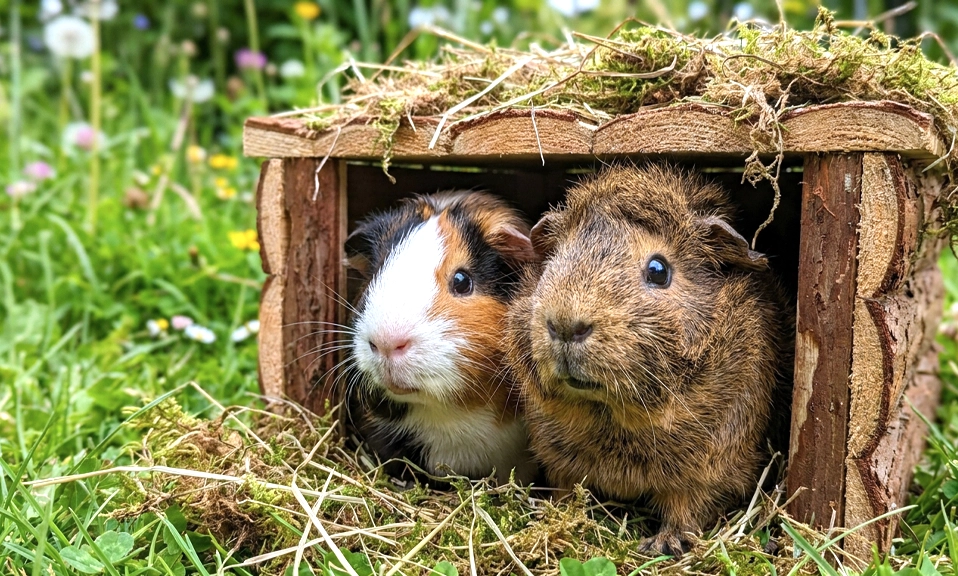
The Reality: In the Andes, cuy (guinea pig) has been a vital source of protein for thousands of years. It is traditionally roasted whole and served at weddings, holidays, and special occasions. It’s considered a delicacy, not a pest.
The Legal Risk: In the US, UK, and most of Europe, guinea pigs are strictly classified as household pets. While it might not be explicitly illegal to eat one you legally own in some US states, the moment you try to commercially slaughter, sell, or import them for human consumption, you violate severe animal welfare and food safety laws. Smuggling them across borders for food can result in heavy fines and confiscation.
🐴 2. Horses
Where it’s normal: France, Italy, Belgium, Japan, Kazakhstan, and parts of South America.
Where it’s weird/illegal: The United States, United Kingdom, and Australia.
The Reality: Horse meat (chevaline) is lean, sweet, and widely consumed in many European and Asian countries. In Japan, raw horse meat (basashi) is a prized delicacy.
The Legal Risk: In the US, while it is not technically illegal to eat horse meat, it is effectively illegal to slaughter horses for human consumption. Congress has consistently defunded USDA inspections for horse meat, making commercial slaughter impossible. Furthermore, the “Save America’s Forgotten Equines (SAFE) Act” frequently moves through Congress to make the possession and sale of horse meat a federal crime. In the UK, while eating it isn’t strictly illegal, the cultural taboo is so massive that mislabeling meat as beef when it contains horse (as seen in the 2013 scandal) leads to massive corporate fraud investigations and jail time for executives.
🐕 3. Dogs
Where it’s normal: Historically in parts of Vietnam, China, and South Korea (though the practice is rapidly declining and recently banned in South Korea as of 2024).
Where it’s weird/illegal: The United States, Canada, the UK, and most of Europe.
The Reality: In certain regions, dog meat has historical roots as a winter warming food or a traditional remedy, though it is increasingly controversial even within those countries.
The Legal Risk: In the Western world, dogs are legally protected as companion animals. The Dog and Cat Meat Trade Prohibition Act of 2018 in the US makes it a federal offense to slaughter, possess, or transport dogs or cats for human consumption, with civil penalties up to $5,000 per violation. In many European countries, doing so violates extreme animal cruelty statutes, which carry actual prison sentences.
🐋 4. Whales and Dolphins
Where it’s normal: Japan, Norway, Iceland, and the Faroe Islands.
Where it’s weird/illegal: The United States, Australia, most of the EU, and under international law.
The Reality: In countries with historical whaling traditions, whale meat is still served in specialized restaurants, and dolphin drives occur in specific regions.
The Legal Risk: In most of the world, cetaceans are heavily protected. In the US, the Marine Mammal Protection Act (MMPA) makes it a federal crime to hunt, kill, capture, or harass any marine mammal. Smuggling whale or dolphin meat into the US can result in severe federal prison time and hundreds of thousands of dollars in fines. Even possessing it without strict, pre-approved scientific permits is a felony.
🦘 5. Kangaroos
Where it’s normal: Australia.
Where it’s weird/illegal: Almost everywhere else in the world.
The Reality: In Australia, kangaroo meat is lean, sustainable, and widely available in supermarkets. It is heavily regulated and harvested by licensed professionals to manage the overpopulation of the species.
The Legal Risk: Outside of Australia, the kangaroo is viewed almost exclusively as a beloved, iconic wildlife symbol. In the US and Europe, all kangaroo species are listed under CITES (Convention on International Trade in Endangered Species) or the Endangered Species Act. Attempting to hunt a kangaroo in a foreign country (like the US or UK, where some are in zoos or private sanctuaries) is major poaching. Smuggling kangaroo meat or products (like leather) into the US without strict permits can lead to federal prosecution and jail time.
🐒 6. Monkeys (Bushmeat)
Where it’s normal: Certain rural regions of Central and West Africa, and parts of Southeast Asia.
Where it’s weird/illegal: Globally (with extreme legal penalties).
The Reality: In some developing regions, monkey meat is consumed as a traditional source of protein (“bushmeat”).
The Legal Risk: Globally, primates are heavily protected. Beyond the massive cultural taboo, the legal risks are astronomical. In the US, the Lacey Act makes it a federal crime to import, export, or sell any wildlife taken in violation of foreign laws. Because many monkey species are endangered, trafficking primate meat carries severe prison sentences. Furthermore, health agencies strictly ban it due to the high risk of zoonotic disease transmission (like Ebola or HIV).
🧠 The “Why” Behind the Divide
Why do these massive differences exist? It usually comes down to three factors:
- The Pet Paradigm: In Western cultures, animals like dogs, horses, and guinea pigs have been reclassified from “livestock” or “working animals” to “family members.” Harming them is viewed through the lens of emotional abuse, not agriculture.
- Conservation and Ecology: Animals like whales, kangaroos, and monkeys are protected by international treaties because their populations are vulnerable. The law prioritizes the survival of the species over culinary tradition.
- Historical Necessity: Many cultures ate these animals out of historical necessity (e.g., guinea pigs require very little space and feed, making them perfect for Andean farmers). When that necessity fades, the cultural practice often fades with it.
Respect the Local Laws (and Larders)
Food is deeply personal, but the law is absolute.
When traveling, it’s important to approach unfamiliar foods with an open mind and cultural relativism. What seems “weird” to you might be a cherished, sustainable tradition to someone else.
However, you must also respect the legal boundaries of your home country. Trying to smuggle a “cultural delicacy” across an international border isn’t a quirky travel story—it’s a fast track to a customs interrogation room and a potential prison sentence.
When in doubt: eat what’s local, respect the laws of the land you’re in, and leave the exotic wildlife in the wild.