Argentina woke up on October 7th to a silence where a voice had always been.
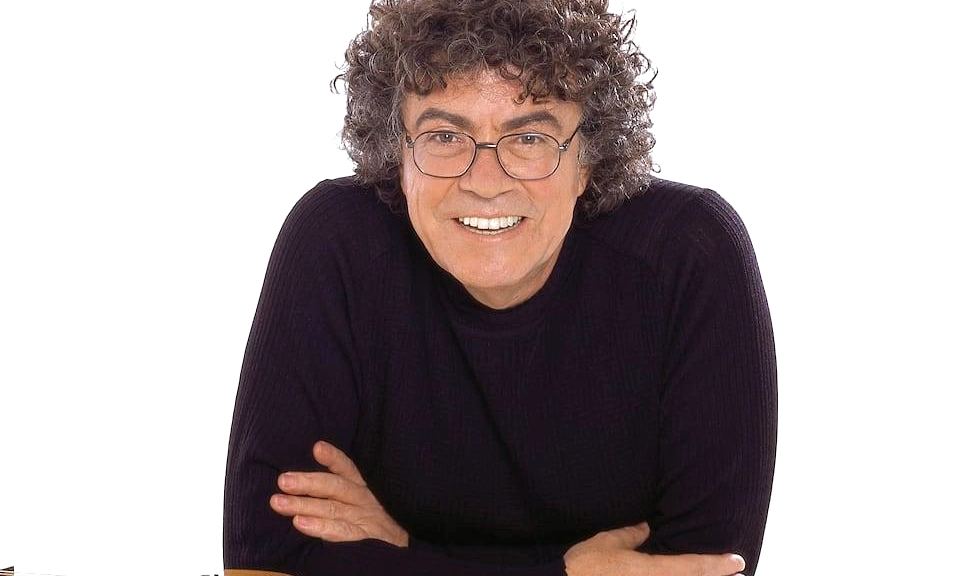
Piero, the Italian-born Argentine singer-songwriter whose “Mi viejo” became an anthem of love between fathers and children and whose protest songs gave voice to a generation, died on the morning of October 7, 2026, in Buenos Aires after several days at the Hospital Italiano. He was 81.
The family announced it on his official channels: “Con profundo dolor comunicamos el fallecimiento de nuestro querido Piero a sus 81 años” — with profound pain, we announce the passing of our beloved Piero.
From Gallipoli to Banfield
His story was always about crossing borders.
Born Piero Antonio Franco De Benedictis on April 19, 1945, in Gallipoli, in Italy’s Apulia region, he emigrated with his family to Argentina in 1948 at the age of three. They settled first in Banfield, south of Buenos Aires.
He abandoned priestly formation in 1963 to move to Buenos Aires and begin his musical career, trading the seminary for a guitar. What followed was more than a career — it was a soundtrack for Latin America.
The Songs That Raised Generations
You can’t talk about Argentine popular music without Piero.
- “Mi viejo” (1969) — Co-written with José Tcherkaski, originally dedicated to his father. It became the Father’s Day anthem from Mexico to Chile. As Rolling Stone Argentina wrote in its obituary graphic: “At 81 years old, Piero died, the voice of ‘Mi Viejo’ and ‘Soy pan, soy paz, soy más'”.
- “Para el pueblo lo que es del pueblo” (1973) — His anthem of resistance: “que el estudiar no sea un privilegio, que el poder vaya al pueblo…”
- “Soy pan, soy paz, soy más” (1981), “Juan Boliche”, “Los americanos”, “Caminando por Caracas” — songs that mixed tenderness, acid humor and metaphysics.
He was part of the Latin American nueva canción movement, suffered exile during the dictatorship, censorship, and returned to become a Latin Grammy Lifetime Achievement winner in 2016.
As fellow musician Fito Paez wrote on Instagram: “Se fue Piero, un gran compositor de canciones entrañables” — noting his iconic ‘Coplas de mi país,’ his decades-long companionship with audiences, his suffering of exile, and his enduring smile.
The comments said it all: “Mi adolescencia estuvo llena de sus maravillosas canciones” and “En Colombia muchos crecimos con sus canciones.”
A Farewell Singing His Own Song
On October 9, family and friends gave him a final farewell. His wooden coffin, adorned with white flowers, was placed in a black hearse. The cortege traveled from the Belgrano neighborhood to the historic Recoleta Cemetery.
The procession was led by his son, Juan de Benedictis, accompanied by his granddaughter, Ambar De Benedictis. Approximately 100 people attended, singing ‘Mi viejo,’ one of his most famous compositions.
Footage from EFE shows mourners in a green jacket carrying the flower-covered coffin while the crowd sings, almost whispering: “Es un buen tipo mi viejo…”
Colombian Senator Jennifer Pedraza paid tribute with his own lyrics: “SÓLO PIERO DIRÍA…” quoting his verses about students, workers, and power belonging to the people.
Why Argentina is Mourning So Deeply
Piero was never just a hitmaker. For many, he was the first guitar lesson, the first protest chant, the first song that made you cry about your father.
The Asociación Argentina de Actores y Actrices described him as an important figure in Argentine and Latin American popular music whose career also included acting and social activism.
In a country that has lost so many voices in 2026, fans wrote the same phrase over and over: “Gracias por tanto, Piero. Gracias por la música y los recuerdos.”
He arrived as an immigrant child from Gallipoli with nothing. He leaves as the man who taught an entire continent how to sing to its old man, its people, and its peace.
Piero (1945-2026) — Soy pan, soy paz, soy más.