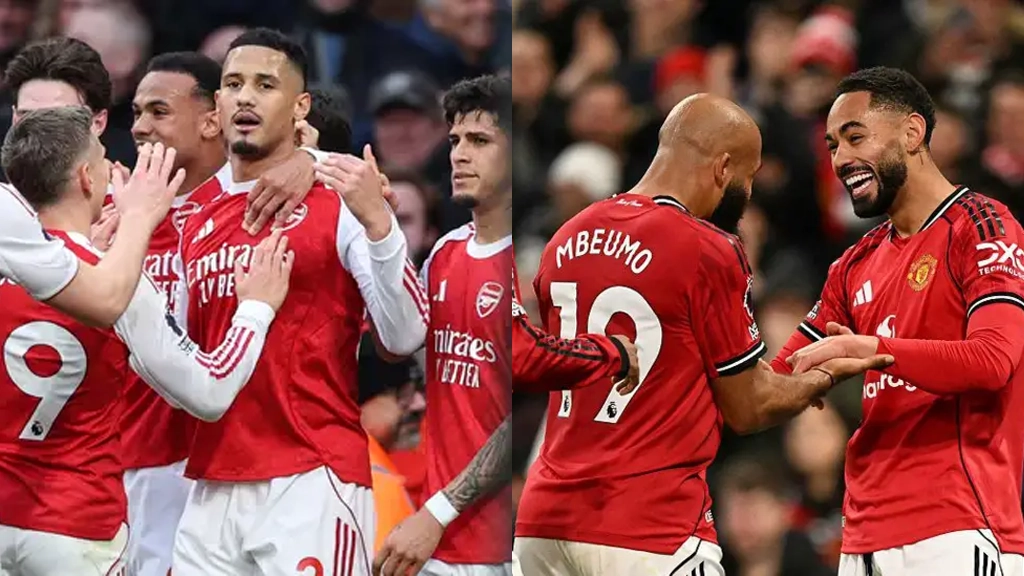
The clash between Arsenal and Manchester United is one of football’s most iconic rivalries, rooted in over a century of competition, passion, and legacy. While Arsenal was founded in 1886, Manchester United’s journey began in the late 19th century, evolving into the global powerhouse it is today. This rivalry isn’t just about trophies—it’s about the identity, ambition, and resilience that define both clubs.
Historical Foundations
Arsenal: The Gunners’ Rise
Founded: 1886 (as Dial Square, later Royal Arsenal).
Early Years: Started as a club for workers at the Royal Arsenal armaments factory in Woolwich.
Move to Highbury: Relocated to North London in 1913, solidifying its identity as a London giant.
Manchester United: From Humble Beginnings to Global Fame
Origins: The club’s story traces back to 1878, when it was founded as Newton Heath LYR Football Club by railway workers.
Rebirth as Manchester United: In 1902, the club rebranded as Manchester United, marking the start of its legendary journey under its now-famous name.
Early Struggles: Faced financial difficulties and near bankruptcy before rising to prominence in the 20th century.
The Rivalry Through the Decades
Early Encounters
The first competitive meeting between the two sides came in 1894, when Newton Heath (later Manchester United) faced Woolwich Arsenal in a Second Division match.
By the time Manchester United adopted its current name in 1902, the rivalry was already simmering, setting the stage for future battles.
The Modern Era
1990s–2000s: The rivalry reached its peak during the Premier League era, with both clubs dominating English football.
Iconic Matches:
1999 FA Cup Semi-Final Replay: Manchester United’s dramatic 2-1 win en route to their historic Treble.
2003 “Battle of Old Trafford”: Arsenal’s 2-1 win, marred by the infamous “Pizzagate” incident.
2004 “Invincibles”: Arsenal’s unbeaten season included a 2-1 win at Old Trafford, ending United’s long unbeaten home run.
Trophies and Achievements
Club | League Titles | FA Cups | League Cups | Champions League | Total Major Trophies |
|---|---|---|---|---|---|
Manchester United | 20 | 12 | 6 | 3 | 44+ |
Arsenal | 13 | 14 | 2 | 0 | 48+ |
Playing Styles and Philosophies
Manchester United
Tradition: Known for attacking, flair-filled football, especially under Sir Matt Busby and Sir Alex Ferguson.
Legends: George Best, Eric Cantona, Cristiano Ronaldo, and Wayne Rooney.
Philosophy: “The United Way”—youth development (e.g., Class of ’92) and never-say-die attitude.
Arsenal
Tradition: Emphasis on technical, possession-based football, pioneered by Herbert Chapman and perfected by Arsène Wenger.
Legends: Thierry Henry, Dennis Bergkamp, Patrick Vieira, and Tony Adams.
Philosophy: “Play the Arsenal Way”—elegance, creativity, and a focus on nurturing young talent.
Cultural Impact
Manchester United: The Global Brand
Fanbase: One of the largest in the world, with an estimated 650 million followers.
Old Trafford: Known as the “Theatre of Dreams,” it’s one of football’s most iconic stadiums.
Commercial Power: Consistently ranks among the highest-revenue-generating clubs globally.
Arsenal: The London Standard
Fanbase: Strong local and international following, with a reputation for loyal, vocal support at the Emirates.
Emirates Stadium: A modern marvel, reflecting the club’s ambition and growth.
Community: Deeply embedded in North London, with initiatives like the Arsenal Foundation making a social impact.
Memorable Managers
Manchester United
Sir Matt Busby: Rebuilt the club after the Munich Air Disaster (1958) and won the first European Cup in 1968.
Sir Alex Ferguson: The most successful manager in Premier League history (13 titles, 2 Champions League trophies).
Arsenal
Herbert Chapman: Revolutionized tactics and led Arsenal to its first major trophies in the 1930s.
Arsène Wenger: The “Invincibles” manager, transformed English football with his philosophy and scouting.