Cinema has always been a mirror held up to society, and sometimes, society doesn’t like what it sees.
Throughout film history, certain movies have crossed the line from mere entertainment into cultural lightning rods. They have sparked riots, prompted government bans, drawn the ire of religious institutions, and ignited fierce debates about censorship, morality, and the limits of artistic expression.
Some of these films were misunderstood masterpieces ahead of their time. Others were genuinely exploitative messes that deserved the backlash. But all of them left an indelible mark on the industry.
Grab your popcorn (and maybe a helmet), because here are the 10 most controversial and heavily criticized movies in film history, and the storms they unleashed.
🎬 1. The Birth of a Nation (1915)
The Director: D.W. Griffith
The Controversy: Glorification of the Ku Klux Klan and vicious racist propaganda.
The Fallout: Despite being a groundbreaking technical achievement in cinematic storytelling, the film’s heroic portrayal of the KKK and its grotesque, dehumanizing caricatures of Black Americans sparked immediate, widespread protests. The NAACP led nationwide campaigns to ban it. It remains the ultimate example of a film that is historically significant for its craft, but morally reprehensible in its message.
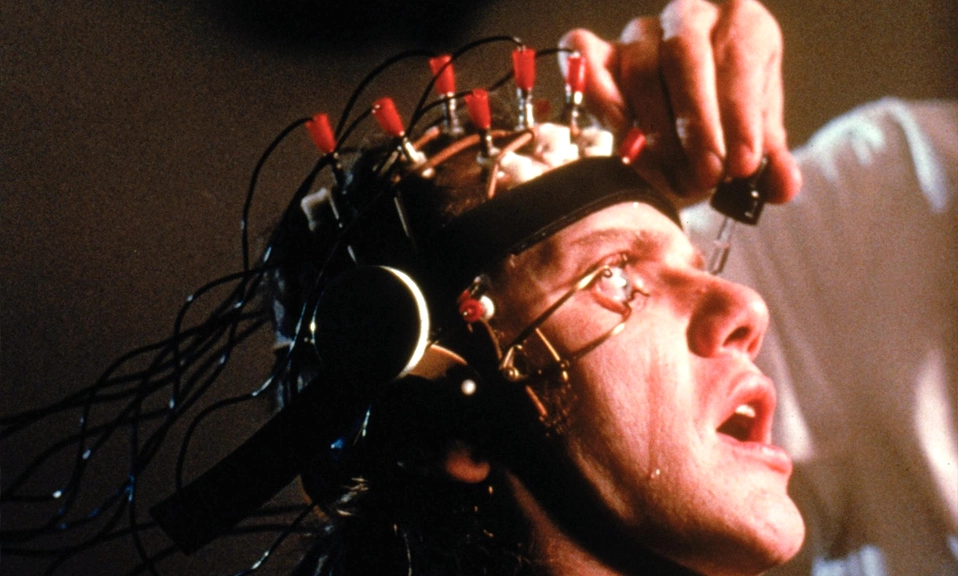
🍊 2. A Clockwork Orange (1971)
The Director: Stanley Kubrick
The Controversy: Stylized, “ultra-violence” and alleged copycat crimes.
The Fallout: Kubrick’s dystopian masterpiece was initially hailed by critics, but the public backlash was fierce. Following reports of copycat crimes in the UK (including a murder where the assailants allegedly sang “Singin’ in the Rain”), the film became a national panic. Death threats were directed at Kubrick and his family, prompting the director to personally ask Warner Bros. to withdraw the film from British distribution. It remained officially unseen in the UK until after Kubrick’s death in 1999.
✝️ 3. The Last Temptation of Christ (1988)
The Director: Martin Scorsese
The Controversy: Blasphemy and the humanization of Jesus.
The Fallout: Based on the novel by Nikos Kazantzakis, the film explores a fictionalized, human Jesus grappling with doubt, fear, and earthly desires. Religious groups worldwide were outraged. Protests erupted globally, theaters were firebombed in Paris, and the film was banned in several countries. Critics were also deeply divided, with some praising its spiritual depth and others condemning it as sacrilegious.
🍝 4. Salò, or the 120 Days of Sodom (1975)
The Director: Pier Paolo Pasolini
The Controversy: Extreme, unflinching depictions of sadism, torture, and depravity.
The Fallout: Adapted from the Marquis de Sade’s writings and set in fascist Italy, Salò is widely considered one of the most disturbing films ever made. It was banned outright in dozens of countries upon release and remains heavily restricted today. Critics were repulsed by its graphic content, though some film scholars defend it as a brutal, necessary allegory for the corrupting nature of absolute power.
🎥 5. Cannibal Holocaust (1980)
The Director: Ruggero Deodato
The Controversy: Accusations of being a real “snuff film” and actual animal cruelty.
The Fallout: This Italian found-footage horror film was so graphically realistic that director Ruggero Deodato was arrested and charged with murder. He had to bring the actors to court to prove they were still alive. While the human deaths were fake, the film’s genuine, on-screen killing of several animals (including a turtle and a pig) sparked massive outrage. It remains banned or heavily censored in multiple countries to this day.
🔫 6. Natural Born Killers (1994)
The Director: Oliver Stone
The Controversy: Accusations of glamorizing serial killers and inspiring real-world violence.
The Fallout: Stone intended the film as a biting, hyper-stylized satire of how the media sensationalizes violence and turns criminals into celebrities. However, many critics and audiences missed the satire entirely, accusing the film of being exactly what it was mocking. It was linked to several real-life copycat crimes, leading to intense moral panic and a lawsuit against the filmmakers (which was eventually dismissed).
🩸 7. The Passion of the Christ (2004)
The Director: Mel Gibson
The Controversy: Extreme, prolonged graphic violence and accusations of antisemitism.
The Fallout: Gibson’s visceral depiction of the final 12 hours of Jesus’s life was a massive box office hit, but it was fiercely criticized by film critics for its relentless, almost fetishistic brutality. More seriously, Jewish organizations and scholars raised alarms that the film’s portrayal of Jewish leaders fueled ancient, dangerous antisemitic tropes. It remains one of the most polarizing religious films ever made.
🎤 8. The Interview (2014)
The Directors: Seth Rogen and Evan Goldberg
The Controversy: Geopolitical tension and cyberterrorism.
The Fallout: This goofy comedy about journalists plotting to assassinate North Korean leader Kim Jong-un sparked a very real, very serious international incident. North Korea condemned the film as an “act of war,” and state-sponsored hackers breached Sony Pictures’ servers, leaking unreleased films and sensitive employee data, and threatening 9/11-style attacks on theaters. Sony initially canceled the theatrical release, leading to a massive debate about free speech and corporate cowardice.
🩰 9. Cuties (Mignonnes) (2020)
The Director: Maïmouna Doucouré
The Controversy: Allegations of sexualizing minors and child exploitation.
The Fallout: The French film, which critiques the hyper-sexualization of young girls in modern social media culture, became the target of a massive culture war when Netflix released it with a promotional poster that many felt replicated the very exploitation the film was trying to criticize. It sparked a #CancelNetflix movement, widespread condemnation from politicians, and thousands of account cancellations, overshadowing the film’s actual critical acclaim and intended message.
🤡 10. Joker (2019)
The Director: Todd Phillips
The Controversy: Fears of glorifying incel culture and inspiring mass shootings.
The Fallout: Long before the film was released, an open letter signed by survivors of gun violence and families of shooting victims urged Warner Bros. not to release Joker, fearing it would radicalize disenfranchised young men. Theaters heightened security, and the media frenzy was intense. While the film went on to win the Golden Lion at Venice and an Oscar for Joaquin Phoenix, critics remained sharply divided on whether it was a brilliant character study or an irresponsible, edgy provocation.
The Fine Line Between Art and Offense
Controversy in film usually stems from one of two places: either the movie is genuinely exploitative and harmful, or it is challenging a deeply held societal norm, forcing the audience to confront an uncomfortable truth.
Time is often the ultimate critic. Films like A Clockwork Orange and Natural Born Killers are now studied in universities as masterpieces of satire and style, their initial moral panics viewed as overreactions. Others, like The Birth of a Nation, serve as permanent cautionary tales about the dangerous power of media.
The most controversial films remind us that cinema is not a passive medium. It has the power to provoke, disturb, and disrupt. And perhaps, that is exactly what art is supposed to do.