If you’ve read the health news lately, you know that the gut microbiome is the new frontier of wellness. Scientists are no longer just looking at the gut as a tube that digests food; they are recognizing it as your “second brain.”
Your gut microbiome—the trillions of bacteria, viruses, and fungi living in your digestive tract—dictates everything from your immune system and your metabolism to your mood, your skin clarity, and even your cravings.
But here is the mistake most people make: they think “gut health” just means eating a generic bowl of bran flakes. In reality, your gut bugs are incredibly picky eaters. To cultivate a diverse, thriving microbiome, you need to feed them three specific things: Probiotics (the live bugs themselves), Prebiotics (the fibre that feeds them), and Polyphenols (the plant compounds that act like fertilizer for the good bugs while fighting off the bad ones).
If you want to transform your gut health from the inside out, here are the 10 best foods to add to your grocery list, and the science behind why they work.
🥛 1. Kefir (The Probiotic Powerhouse)
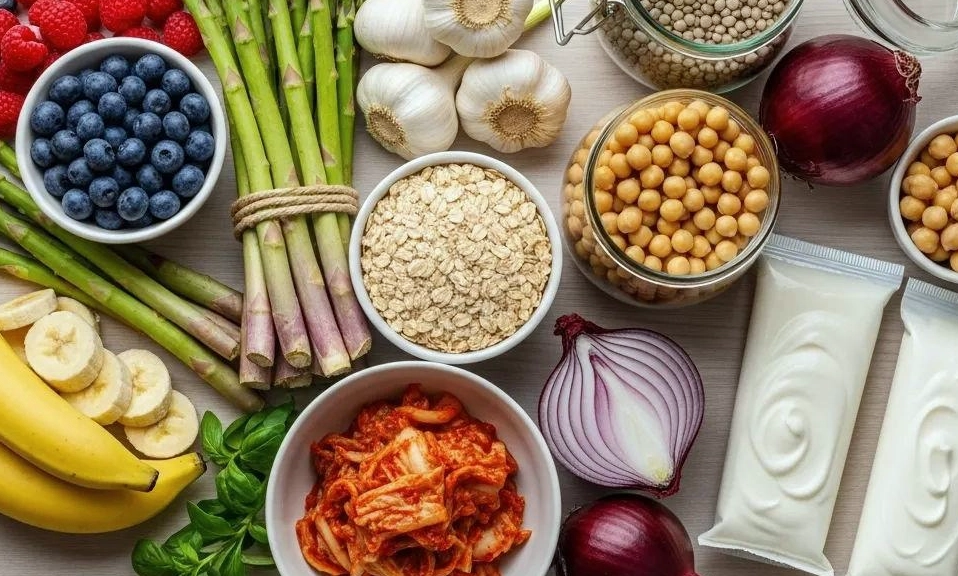
The Science: You’ve probably heard of yoghurt, but kefir is its fermented, fizzy, slightly tart older sibling. While regular yoghurt might contain a few strains of bacteria, kefir is fermented using “grains” that contain up to 60 different strains of bacteria and yeast. It is a biodiversity bomb for your gut. How to eat it: Drink it straight, blend it into a smoothie, or use it as a base for a healthy ranch dressing. Tip: Look for plain, unsweetened kefir to avoid the UPFs and added sugars found in flavoured versions.
🌶️ 2. Kimchi (The Spicy Microbiome Multiplier)
The Science: Kimchi is a traditional Korean side dish made from fermented cabbage, radishes, and a blend of spices. Not only does the fermentation process provide a massive dose of live Lactobacillus bacteria, but the ingredients themselves (cabbage, garlic, ginger, and chili flakes) are packed with prebiotic fibres and polyphenols. How to eat it: Add a forkful to your eggs in the morning, mix it into a bowl of rice and avocado, or use it as a tangy, probiotic-rich topping for your burgers. Tip: Buy it from the refrigerated section; shelf-stable kimchi has been pasteurized, meaning the live bugs are dead.
🧄 3. Garlic, Onions, and Leeks (The Prebiotic Alliums)
The Science: These three kitchen staples belong to the allium family and are incredibly rich in inulin and FOS (fructooligosaccharides). These are specialized prebiotic fibres that bypass human digestion and go straight to your colon, where your good bacteria feast on them, producing beneficial short-chain fatty acids (SCFAs) that reduce gut inflammation. How to eat it: Sauté them as the base for soups and stews, or if your stomach can handle it, eat them raw (like red onion in a salad or crushed raw garlic in a homemade vinaigrette) to preserve the maximum amount of prebiotic fibre.
🌿 4. Asparagus (The Inulin Spear)
The Science: Asparagus is one of the most concentrated natural sources of prebiotic inulin fibre. It specifically feeds Bifidobacteria, a highly beneficial strain of gut bacteria linked to improved immunity and reduced bloating. How to eat it: Roast it with a little olive oil and sea salt, shave it raw into a spring salad, or blend it into a soup. Tip: Don’t overcook it! Lightly steaming or roasting keeps the fibre structure intact.
🍎 5. Apples (Specifically, With the Skin On)
The Science: “An apple a day” isn’t just an old wives’ tale; it’s microbiome science. Apples are rich in pectin, a type of soluble fibre that acts as a prebiotic. Furthermore, the skin of the apple is packed with polyphenols that increase the diversity of your gut bacteria. How to eat it: Eat them whole, skin on. Slice them into almond butter, or grate them into your morning oatmeal. Tip: Avoid apple juice. The juicing process strips away the pectin and the polyphenol-rich skin, leaving only the sugar.
🫐 6. Blueberries and Blackberries (The Polyphenol Protectors)
The Science: The deep red, blue, and purple colours in berries come from anthocyanins, a type of polyphenol. Most of us think of polyphenols just as antioxidants, but in the gut, they act as a selective fertilizer. They encourage the growth of beneficial bacteria like Akkermansia, which is crucial for maintaining a strong gut lining and healthy metabolism. How to eat it: Toss a handful into your morning yoghurt, blend them into a smoothie, or just eat them frozen as a refreshing snack.
🥣 7. Lentils and Chickpeas (The Resistant Starch Kings)
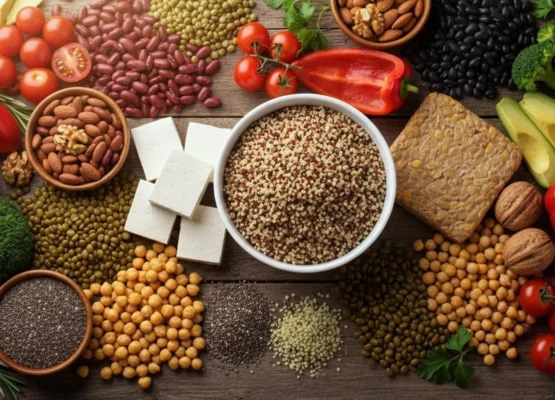
The Science: Legumes are the undisputed champions of gut health. They are loaded with both soluble and insoluble fibre, but more importantly, they contain resistant starch. When cooked and then cooled (like in a leftover chickpea salad), the starch changes structure, becoming “resistant” to digestion and feeding your gut bugs all the way down the colon. How to eat it: Hummus, lentil soups, roasted chickpeas, or a cold three-bean salad. Tip: If beans give you gas, start with very small portions and rinse canned beans thoroughly. Your microbiome will adapt and get better at digesting them over a few weeks.
🥣 8. Rolled and Steel-Cut Oats (The Beta-Glucan Buffer)
The Science: Oats contain a unique type of soluble fibre called beta-glucan. When it mixes with water in your digestive tract, it forms a thick, gel-like substance. This not only slows down digestion (keeping your blood sugar stable) but also provides a slow, steady drip of food for your gut bacteria, while physically soothing the gut lining. How to eat it: Opt for traditional rolled oats or steel-cut oats. Tip: Avoid instant, flavoured oat packets, which are often highly processed and loaded with sugar. Make your own overnight oats with chia seeds and real fruit.
🌱 9. Ground Flaxseeds (The Mucilage Miracle)
The Science: Flaxseeds are a triple threat: they are high in fibre, rich in omega-3 fatty acids, and packed with lignans (a type of polyphenol). When ground flax mixes with liquid, it releases mucilage, a gel-like substance that literally coats and soothes the digestive tract, acting as a lubricant for healthy bowel movements. How to eat it: Sprinkle a tablespoon of ground flaxseed (flax meal) over your salads, yoghurt, or oatmeal. Tip: You must eat them ground! Whole flaxseeds have a hard outer shell that human digestion cannot break, meaning they will pass right through you without feeding your microbiome.
🫒 10. Extra Virgin Olive Oil (The Gut Lubricant)
The Science: We usually think of olive oil for heart health, but it is a secret weapon for the gut. High-quality Extra Virgin Olive Oil (EVOO) is rich in polyphenols like oleuropein. These compounds have a mild antimicrobial effect that helps keep pathogenic (bad) bacteria in check, while simultaneously feeding the good bacteria and reducing intestinal inflammation. How to eat it: Use it as your primary cooking fat, but more importantly, drizzle it raw over your finished meals, salads, and soups to preserve the delicate polyphenols. Tip: Buy EVOO in dark glass bottles and store it in a cool, dark place to prevent the polyphenols from degrading.
🌟 The Secret Sauce: The “30 Plants a Week” Rule
If you take away only one thing from this list, let it be this: Diversity is the ultimate goal.
The landmark American Gut Project discovered that the single biggest predictor of a healthy, resilient gut microbiome isn’t whether you are vegan or carnivore—it’s plant diversity. People who ate 30 or more different types of plants per week had significantly more diverse and robust gut microbiomes than those who ate 10 or fewer.
And remember, a “plant” doesn’t just mean a salad. It includes fruits, vegetables, nuts, seeds, legumes, whole grains, and even the herbs and spices in your pantry.
Eat the Rainbow, Feed the Bugs
You don’t need expensive probiotic pills or complicated gut-healing protocols to fix your microbiome. You just need to eat real, diverse, fibre-rich, and polyphenol-packed foods.
Every time you sit down to eat, ask yourself: Am I just feeding myself, or am I feeding the trillions of tiny creatures that keep me alive?
Start adding a few of these 10 foods to your daily rotation, watch your digestion improve, and enjoy the boundless energy that comes from a happy gut.