If you’ve ever tried to make sense of cholesterol advice, you know it can feel like navigating a maze of conflicting information.
One day, eggs are the enemy; the next, they’re a superfood. You hear that you need to cut out all fat, but then you’re told to eat more avocado. And if your doctor suggests a statin, you might immediately picture a lifetime of muscle aches and liver damage, thanks to internet horror stories.
It’s enough to make you want to throw your hands up and ignore the problem entirely.
But here is the good news: cardiologists don’t believe in magic bullets or extreme, unsustainable diets. According to the latest clinical guidelines, including the updated 2026 ACC/AHA guidelines on the management of dyslipidemia, the best way to manage cholesterol is a holistic, multi-pronged approach.
It’s not about perfection. It’s about consistent, evidence-based habits. Here is the cardiologist-approved blueprint for taking control of your heart health.
🩸 1. The Quick Refresher: Know Your Numbers
Before you can manage cholesterol, you need to know what you’re managing. Think of your bloodstream like a highway:
- LDL (“Bad” Cholesterol): This is the gunk. When there’s too much of it, it builds up on the walls of your arteries, forming plaque that can lead to heart attacks or strokes.
- HDL (“Good” Cholesterol): This is the cleanup crew. It scavenges excess LDL and carries it back to the liver to be removed from the body.
- Triglycerides: This is the most common type of fat in your body, storing excess energy from your diet. High levels often go hand-in-hand with high LDL and low HDL.
The goal isn’t just to lower the total number; it’s to lower LDL and triglycerides while maintaining or raising HDL.
🥑 2. The Diet Shift: Add, Don’t Just Subtract
For decades, the advice was simply “eat less cholesterol.” But cardiologists now know that saturated and trans fats have a much bigger impact on your blood cholesterol than the actual cholesterol found in food (like eggs or shrimp).
Instead of just focusing on restriction, cardiologists recommend adding specific heart-healthy foods to your plate:
- Soluble Fiber is Your Best Friend: Oats, beans, lentils, apples, and Brussels sprouts contain soluble fiber, which binds to cholesterol in your digestive system and drags it out of your body before it hits your bloodstream.
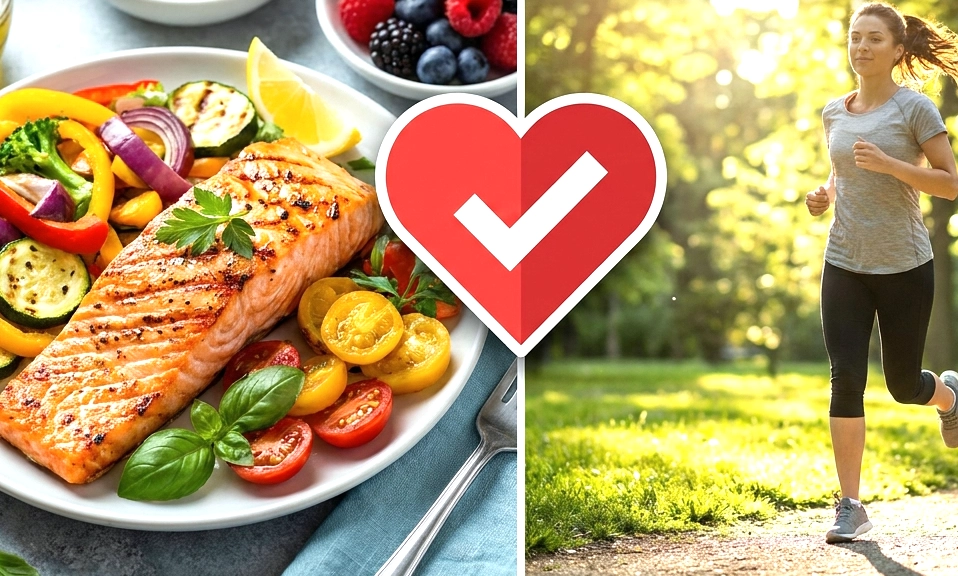
- Swap Your Fats: Replace butter, fatty red meats, and full-fat dairy (saturated fats) with unsaturated fats like extra virgin olive oil, avocados, nuts, and fatty fish like salmon.
- Consider Plant Sterols: Found naturally in small amounts in plants, sterols and stanols block your body from absorbing cholesterol. Many cardiologists recommend foods fortified with plant sterols (like certain margarines or orange juices) for an extra 5–15% reduction in LDL.
🏃♂️ 3. Movement as Medicine
You cannot out-diet a sedentary lifestyle when it comes to heart health.
Regular physical activity is one of the most effective natural ways to raise your HDL (“good”) cholesterol while lowering triglycerides. Cardiologists recommend at least 150 minutes of moderate-intensity aerobic exercise (like brisk walking, cycling, or swimming) per week, plus two days of strength training.
The key is consistency. A daily 30-minute brisk walk does more for your lipid profile than an occasional, exhausting two-hour gym session.
🧠 4. The Hidden Lifestyle Factors
Your cholesterol isn’t just dictated by what’s on your plate or your treadmill routine. Two massive, often overlooked factors play a huge role:
- Smoking: Quitting is non-negotiable. Smoking damages the lining of your blood vessels, making them “sticky” and much more likely to accumulate LDL plaque. Quitting can improve your HDL levels within weeks. 【12】
- Sleep and Stress: Chronic stress elevates cortisol, which can increase triglycerides and LDL production. Similarly, poor sleep (especially conditions like sleep apnea) disrupts your metabolism. Prioritizing 7–9 hours of quality sleep is a legitimate, medically backed cholesterol intervention.
💊 5. Medication: The “No Shame” Factor
This is perhaps the most important point cardiologists want the public to understand: For many people, high cholesterol is not a lifestyle failure; it’s genetics.
You can eat perfectly, run marathons, and still have high LDL if your liver is genetically programmed to overproduce it or under-clear it.
When lifestyle changes aren’t enough, medication is not a “last resort”—it is a highly effective, life-saving tool.
- Statins remain the gold standard. They are incredibly safe for the vast majority of people and have decades of data proving they prevent heart attacks and extend lives.
- Recent guidelines explicitly advise that achieving very low LDL-C levels is both safe and of continued benefit, debunking the myth that “lower is dangerous”.
- If you experience side effects from statins, don’t just quit. Talk to your doctor. There are now excellent alternatives, including ezetimibe, bempedoic acid, and PCSK9 inhibitors (injectables that dramatically lower LDL).
✅ Your “Start Here” Checklist
You don’t have to overhaul your life overnight. Pick two of these to focus on this week:
- Swap your morning butter or cream cheese for avocado or nut butter.
- Add one serving of soluble fiber (like a bowl of oatmeal or a side of black beans) to your daily routine.
- Schedule a 30-minute walk after dinner.
- Check your medication adherence (if prescribed) and set a phone reminder if needed.
- Book a follow-up with your doctor to discuss your latest lipid panel and calculate your 10-year cardiovascular risk.
Progress Over Perfection
Managing cholesterol isn’t about achieving a flawless lifestyle. It’s about stacking the deck in your favor.
By combining a fiber-rich, healthy-fat diet, regular movement, and (when necessary) modern medicine, you are actively protecting your arteries and extending your healthspan.
Don’t let the noise of internet myths keep you from taking action. Talk to your doctor, get your numbers, and build a plan that works for your life. Your heart will thank you for decades to come.