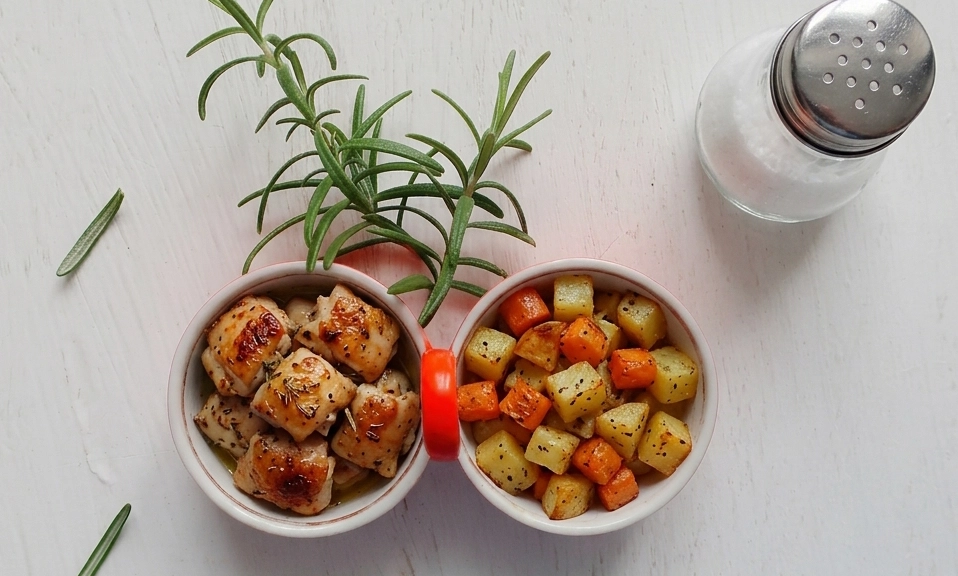
Salt is one of the most polarizing ingredients in the culinary world.
For decades, it’s been labeled the ultimate dietary villain—the silent killer behind high blood pressure, heart disease, and bloating. Yet, it’s also the fundamental building block of flavor. A meal without it is, quite simply, bland.
So, where is the line between essential mineral and health hazard? How much salt can you actually eat in a day without putting your body at risk?
The answer is a bit more nuanced than “salt is bad,” but the numbers might surprise you. Here is the science-backed breakdown of your daily salt intake, where the hidden dangers lie, and how to find the perfect, healthy balance.
🧂 The Official Numbers: Sodium vs. Salt
First, we have to clear up a massive point of confusion: Sodium and salt are not the same thing.
Table salt is sodium chloride. By weight, it is about 40% sodium and 60% chloride. When health organizations talk about limits, they are almost always talking about sodium, not total salt.
Here is what the major health authorities recommend for healthy adults:
- The World Health Organization (WHO): Less than 2,000 mg of sodium per day (which equals about 5 grams, or roughly 1 level teaspoon, of salt).
- The U.S. Dietary Guidelines: Less than 2,300 mg of sodium per day (about 1 teaspoon of salt).
- The American Heart Association (AHA): An ideal limit of no more than 1,500 mg of sodium per day (about ⅔ of a teaspoon of salt) for most adults, especially those with high blood pressure.
To put that in perspective, a single teaspoon of table salt contains about 2,300 mg of sodium. That’s your entire daily allowance in one tiny spoonful.
🧬 Why Your Body Actually Needs Salt
Before you banish the salt shaker forever, it’s important to know that sodium is an essential electrolyte. Your body cannot make it on its own, and you need it to survive.
Sodium is responsible for:
- Fluid Balance: It helps regulate the amount of water in and around your cells.
- Nerve Transmission: It enables the electrical signals that allow your brain to communicate with your body.
- Muscle Contraction: It is required for your muscles (including your heart) to contract and relax properly.
Without enough sodium, you risk a dangerous condition called hyponatremia, which can cause nausea, headaches, confusion, and in severe cases, seizures. (This is why endurance athletes who sweat heavily for hours need to actively replenish sodium).
🚨 The Real Danger: It’s Not the Salt Shaker
If the limit is one teaspoon a day, you might be picturing yourself lightly tapping a shaker over your dinner. But here is the plot twist: The salt shaker only accounts for about 10% to 15% of the average person’s daily sodium intake.
Where is the rest coming from?
- Processed and Packaged Foods (70%+): Bread, deli meats, canned soups, frozen pizzas, crackers, and sauces are loaded with sodium. Salt is used as a cheap preservative and flavor enhancer.
- Restaurant Meals (10–15%): Chefs use salt (and butter) liberally to make food taste good. A single restaurant meal can easily contain your entire daily sodium limit before you even reach the breadbasket.
You can completely stop using your salt shaker and still vastly exceed the recommended daily limit if your diet relies heavily on processed or restaurant foods.
⚠️ What Happens When You Eat Too Much?
When you consistently consume more sodium than your kidneys can excrete, the excess sodium pulls water into your bloodstream. This increases the volume of blood flowing through your blood vessels.
Think of it like turning up the water pressure in a garden hose. Over time, this extra pressure:
- Strains your heart: It has to work harder to pump the increased blood volume.
- Damages blood vessels: Leading to stiffness and a higher risk of heart attacks and strokes.
- Overworks the kidneys: Which can contribute to chronic kidney disease over time.
- Causes water retention: Leading to that puffy, bloated feeling (especially in your hands, feet, and face).
📉 Can You Eat Too Little?
For the vast majority of people eating a modern, processed-food-heavy diet, eating “too little” salt is not a concern.
However, if you are an elite athlete, work in extreme heat, or follow a very strict, whole-food, plant-based diet, your sodium needs might be slightly higher than the general population. If you experience frequent muscle cramps, dizziness when standing up, or extreme fatigue, it’s worth discussing your electrolyte intake with a doctor.
🌿 5 Ways to Cut Salt Without Sacrificing Flavor
You don’t have to eat bland food to protect your heart. The goal is to retrain your palate, which takes about 2 to 4 weeks. Here is how to do it:
- Read the Nutrition Label: Look for the “Sodium” line. A good rule of thumb is the 5/20 rule: 5% Daily Value (DV) or less is low, and 20% DV or more is high.
- Rinse Canned Goods: Rinsing canned beans or vegetables under water can wash away up to 40% of the added sodium.
- Embrace Acid and Heat: A squeeze of fresh lemon or lime juice, or a dash of vinegar, brightens food in the exact same way salt does. Chili flakes and black pepper add depth without the sodium.
- Cook with Fresh Herbs: Garlic, onion, rosemary, thyme, and cilantro add massive flavor profiles that make you forget the salt is missing.
- Beware the “Salty Six”: The AHA identifies bread/rolls, pizza, sandwiches, cold cuts/cured meats, soup, and burritos/tacos as the top six sources of sodium in the American diet. Opt for low-sodium versions or make them at home.
Aim for the Middle
You don’t need to obsess over hitting exactly 1,500 mg of sodium every single day. The goal is simply to avoid the extreme high end of the spectrum.
By shifting your diet away from heavily processed foods and toward whole, fresh ingredients, you will naturally fall into a safe, healthy sodium range. Your taste buds will adjust, your bloating will decrease, and your heart and kidneys will thank you for the reduced workload.
Salt isn’t the enemy. The hidden, excessive amounts of it in our modern food supply are. Take back control of your shaker—and your health.
Do you track your sodium intake, or do you mostly cook from scratch? What’s your favorite salt-free seasoning hack? 🧂🥦💧