Jenna Ortega’s latest film has everyone doing a double-take—but not for the reasons her fans might have hoped. The internet is buzzing, the reviews are brutal, and the discourse is inescapable.
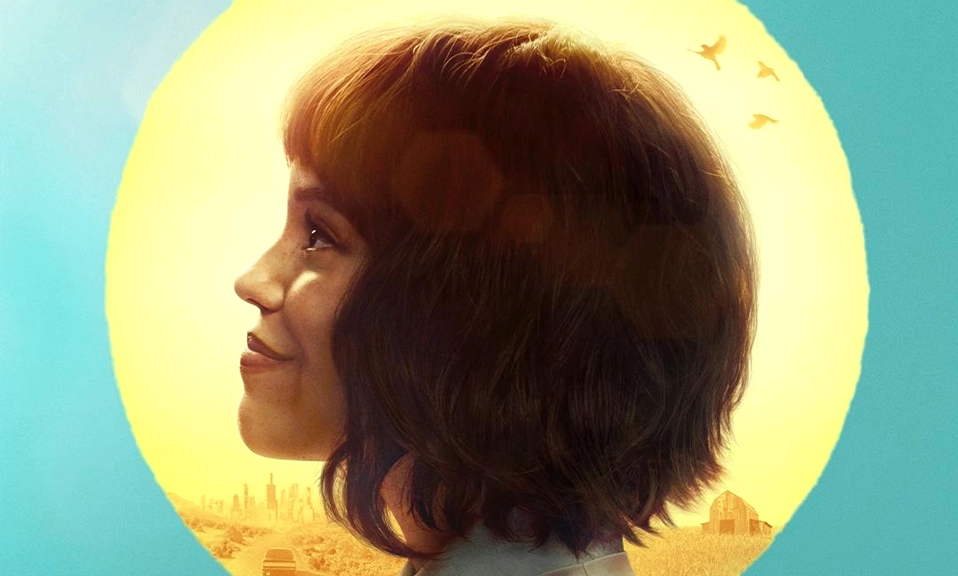
Jenna Ortega’s new movie, Klara and the Sun, hits theaters on October 23, 2026. On paper, it’s a prestige project: an adaptation of a Nobel Prize winner’s novel, directed by Taika Waititi, and co-starring Amy Adams. But after its world premiere at the BFI London Film Festival on October 15, the film has become the center of a very different conversation—one defined by scathing reviews, a baffling creative choice, and a growing debate about what happens when a beloved book gets a radical Hollywood makeover.
Here’s why everyone is looking twice at Klara and the Sun.
A Prestige Pedigree, Undermined
Based on Kazuo Ishiguro’s acclaimed 2021 novel, Klara and the Sun tells the story of Klara (Ortega), an “Artificial Friend” (AF)—a solar-powered android designed to be a companion for lonely children. She is purchased by a mother (Amy Adams) for her daughter, Josie (Mia Tharia), a sickly teenager. The film follows Klara’s innocent, sun-worshipping perspective as she tries to understand love, grief, and what it means to be human.
The cast is stacked. Alongside Ortega, Adams, and Tharia, the film features Natasha Lyonne, Steve Buscemi, and Aran Murphy. Waititi directs from a screenplay he co-wrote with Dahvi Waller. The source material is beloved—former President Barack Obama even included it on his summer reading list.
So far, so Oscar-bait. But then the reviews came in.
The Critical Reception: A “Garbled Mess”
The early reviews are, to put it mildly, catastrophic. As of October 16, the film held a 27 score on Metacritic and a 25% “rotten” rating on Rotten Tomatoes. The Telegraph, The Guardian, and The Times all gave it one-star reviews.
The criticisms are brutal and specific. Little White Lies called it “a garbled mess of half-cocked speculative sci-fi and sentimental platitudes”. The Times described it as “a hopeless film, slippery and mendacious, full of gross Hallmark sentiment”. The Guardian was perhaps the most damning, labeling it an “unbearably mannered, unspeakably acted film” and a “sentimental mess” that turns Ishiguro’s subtle fable into “a twee, tiresome tale of love and grief”.
The most recurring critique is that the film fundamentally misunderstands the book. As The Independent put it, “The book was about who we fundamentally are, now and tomorrow. The film is about the power of love and friendship. That seems like quite the downgrade”.
The Baffling Creative Choice Everyone Is Talking About
Amid the critical drubbing, one specific change has become a lightning rod for discussion. In Waititi’s adaptation, the world has suffered a third world war that wiped out the internet. This is a significant departure from Ishiguro’s novel, and it has left many scratching their heads. The Guardian review dryly notes that “this post-WW3 world looks in pretty good shape apart from that”.
It’s a detail that symbolizes the film’s broader problems for critics: a tendency toward big, quirky swings that don’t land, and a seeming unwillingness to trust the quiet, philosophical power of the source material.
Ortega’s Performance: The One Bright Spot?
Not all the criticism is aimed at the film’s construction. Several reviews single out Jenna Ortega’s performance as the film’s saving grace. The Guardian describes her Klara as a “ditsy, cutesy, supremely lovable innocent”—a “manic pixie dream robot”. While the film around her is being torn apart, Ortega’s commitment to the role has been noted even by hostile critics.
One review, cited by Yahoo, offered a rare positive take: “Klara and the Sun is simply a lovely little fable of hope about what it means to be human, anchored by a delightful performance from Jenna Ortega that makes it just about worthy of your time”. It’s a minority opinion, but it suggests that Ortega’s star power remains intact, even when the material fails her.
A Cautionary Tale
Klara and the Sun is not the movie anyone expected. It’s a collision of immense talent and baffling creative decisions, resulting in one of the most poorly received films of the year. The discourse around it—the brutal reviews, the head-scratching plot changes, the debate over what went wrong—has made it impossible to ignore.
Everyone is looking twice at Klara and the Sun. The first look is at the promising cast and crew. The second is at the wreckage of a prestige adaptation that seems to have lost its way. Whether it becomes a cautionary tale or a cult curiosity remains to be seen, but one thing is certain: Jenna Ortega’s fans will be watching closely—some with hope, and many with a sense of morbid fascination.