You spend thousands on your car. You buy premium fuel, get the oil changed on schedule, and maybe even pay for that ceramic coating. But when it comes to the four patches of rubber the size of a postcard that connect your 4,000-pound vehicle to the road? Most people treat them as an afterthought.
Ignoring your tyres isn’t just a safety hazard; it is a massive, silent drain on your wallet.
Poorly maintained tyres reduce your fuel economy (or EV range), wear out years before they should, and can lead to catastrophic, expensive blowouts. In the era of 2026, where vehicles are heavier and more complex than ever—especially with the rise of EVs—tyre maintenance is more critical than it has ever been.
Here are the 10 most common tyre maintenance mistakes drivers make, exactly how much they are costing you, and how to fix them today.
📉 1. Checking Tyre Pressure at the Petrol Station (When They’re Hot)
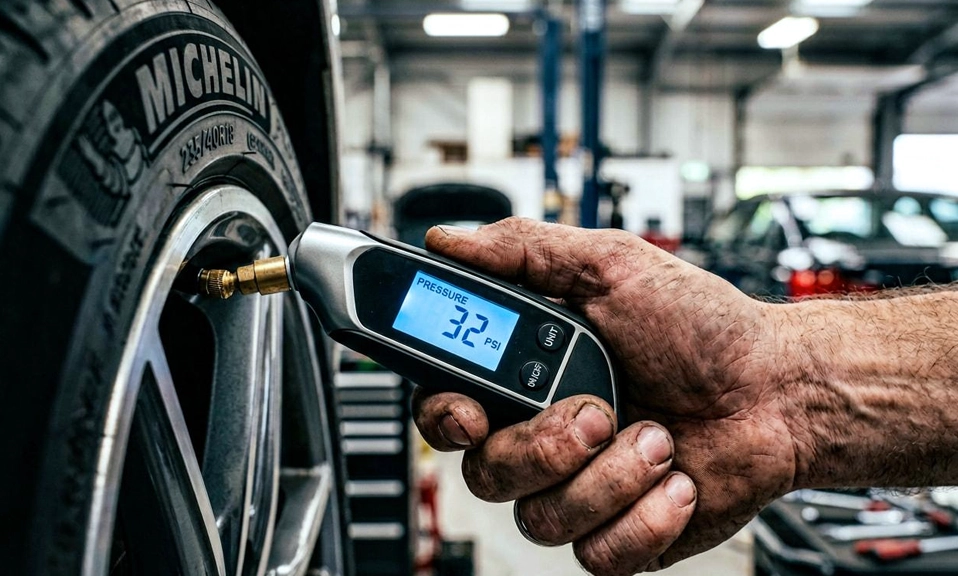
The Mistake: You wait until the tyre pressure light comes on, drive to the nearest garage, and fill them up. The Cost: Driving heats up the tyres, which increases the air pressure inside. If you fill them to the recommended PSI while they are “hot,” they will be severely under-inflated once they cool down. Under-inflated tyres increase rolling resistance, costing you up to 3% in fuel economy (or EV range) and causing the edges of the tread to wear out prematurely. The Fix: Check your tyre pressure once a month when the tyres are cold (meaning the car has been parked for at least three hours). Buy a cheap, high-quality digital tyre pressure gauge and keep it in your glovebox.
🔄 2. Never Rotating Your Tyres
The Mistake: You put tyres on the car and leave them in the exact same positions until the tread is gone. The Cost: Your car’s weight distribution and drivetrain (especially in front-wheel-drive or heavy EVs) cause the front and rear tyres to wear at completely different rates. If you never rotate them, your front tyres will be bald while your rear tyres still have 80% of their tread left. You’ll be forced to buy a new set of four tyres thousands of miles earlier than necessary. The Fix: Rotate your tyres every 5,000 to 8,000 miles (or every other oil change). This ensures all four tyres wear evenly, maximizing their total lifespan.
🧭 3. Ignoring a “Pulling” Steering Wheel (Skipping Alignment)
The Mistake: Your car drifts to the left when you let go of the steering wheel on a straight road, or your steering wheel isn’t perfectly centred. You just hold the wheel tighter and ignore it. The Cost: This is a glaring sign of poor wheel alignment. Driving with misaligned wheels causes the tyres to “scrub” against the road rather than roll. This will literally shave the tread off the inside or outside edge of your tyre in a matter of months, ruining an expensive set of tyres and destroying your fuel efficiency. The Fix: Get a wheel alignment once a year, or immediately if you hit a deep pothole or curb. It costs a fraction of the price of a new set of tyres.
👁️ 4. The “Kick and Look” Visual Inspection
The Mistake: Kicking the tyre or glancing at it to see if it “looks flat.” The Cost: A tyre can be 20% to 30% under-inflated and still look completely normal to the naked eye. Driving on a tyre with that level of under-inflation causes the sidewalls to flex excessively, generating massive internal heat. This is the number one cause of highway blowouts. The Fix: Never trust your eyes. Always use a calibrated digital pressure gauge.
🧩 5. Mixing and Matching Tyres on the Same Axle
The Mistake: One front tyre gets a nail in it. Instead of replacing both, you just buy one cheap replacement tyre and put it on the front left. The Cost: Having two different tread patterns, brands, or wear levels on the same axle (front or rear) creates wildly different grip levels. In an emergency stop or a wet corner, one side of the car will grip while the other slides. This can cause you to spin out, leading to an accident that will cost vastly more than a single tyre. The Fix: Always replace tyres in pairs (at a minimum), and put the new tyres on the rear axle to prevent oversteer. Ensure they match the brand, tread pattern, and size of the existing tyres.
🚨 6. Just “Resetting” the TPMS Light
The Mistake: Your Tyre Pressure Monitoring System (TPMS) light comes on. You press the “reset” button on the dashboard and keep driving. The Cost: The TPMS light doesn’t mean “the weather got cold.” It means you have a puncture or a slow leak. If you just reset the light and ignore it, you will drive on a flat tyre until the internal sidewall structure collapses. A tyre driven on while completely flat cannot be repaired; it must be replaced. You just turned a $20 patch job into a $250 replacement. The Fix: When the light comes on, check the pressures immediately. If one is low, find the leak and get it professionally inspected. Only reset the light after the tyres are filled to the correct pressure.
🕳️ 7. Hitting Potholes and Curbs Without Checking for Damage
The Mistake: You slam into a pothole or scrape a curb, hear a “clunk,” but because the car still drives, you assume it’s fine. The Cost: A hard impact can cause internal structural damage to the tyre’s sidewall or bend your alloy wheel. A damaged sidewall can develop a “bulge” or “blister” (which looks like a bubble under the rubber). This is a structural failure waiting to happen. If you ignore it, it will eventually blow out at highway speeds. The Fix: After any significant impact, pull over and inspect the tyre. If you see a bulge, blister, or crack in the sidewall, the tyre is dead. It cannot be repaired and must be replaced immediately.
📅 8. Driving on Tyres Older Than 6 to 10 Years (Even with Good Tread)
The Mistake: You only drive on weekends. Your tyres have plenty of tread left, so you figure they are good to go, even though they are 9 years old. The Cost: Tyres are made of rubber and chemical compounds that degrade over time, regardless of mileage. They dry out, harden, and develop micro-cracks. An old tyre will not grip the road in the rain, drastically increasing your stopping distance and the risk of aquaplaning. The Fix: Check the DOT date code on the sidewall of your tyre (a four-digit number like “3521” meaning the 35th week of 2021). Most manufacturers recommend replacing tyres every 6 years, and absolutely no later than 10 years, regardless of tread depth.
⚖️ 9. Overloading Your Vehicle
The Mistake: You pack your SUV to the roof for a camping trip, or load your EV with heavy cargo, ignoring the weight limits. The Cost: Every tyre has a “Load Index” rating. Exceeding this weight puts immense physical stress on the tyre carcass, causing it to overheat and potentially fail. It also severely degrades your handling and braking. The Fix: Check the placard on the inside of your driver’s side door jamb. It tells you the maximum load capacity for your vehicle. If you are carrying a heavy load, you actually need to increase your tyre pressure slightly (check your owner’s manual for the loaded pressure spec) to support the weight safely.
💸 10. Buying the Cheapest “Budget” Tyres Available
The Mistake: When it’s time to replace your tyres, you go to the tyre shop and ask for the absolute cheapest option on the rack. The Cost: This is the ultimate false economy. Budget tyres use inferior rubber compounds. They wear out much faster, they are louder, they increase your fuel consumption, and most importantly, their wet braking distances can be up to 30% longer than premium tyres. You are saving £50 today at the expense of your safety and long-term wallet. The Fix: Buy the best tyres you can afford. Mid-tier brands (like Hankook, Kumho, or Falken) offer incredible value, while premium brands (like Michelin, Continental, or Bridgestone) offer top-tier safety and longevity. Think of it as the most important safety equipment on your car.
⚡ A Quick Note for EV Owners in 2026
If you drive an Electric Vehicle, pay double attention to these rules. EVs are significantly heavier than petrol cars due to the battery pack, and the instant torque accelerates tread wear. Many EVs require specific “EV-rated” tyres with reinforced sidewalls and acoustic foam inside to handle the weight and reduce cabin noise. Don’t accidentally put standard, lightweight tyres on a heavy EV—it will destroy them in record time.
Tyres Are an Investment, Not an Expense
It is easy to look at a set of four premium tyres and feel a sting in your wallet. But when you break down the cost per mile, proper tyre maintenance is one of the cheapest ways to protect your car, your fuel bill, and your life.
Stop treating your tyres as an afterthought. Check the pressure this weekend, look for uneven wear, and make sure your car is actually touching the road the way it was designed to.
Your wallet—and your passengers—will thank you.