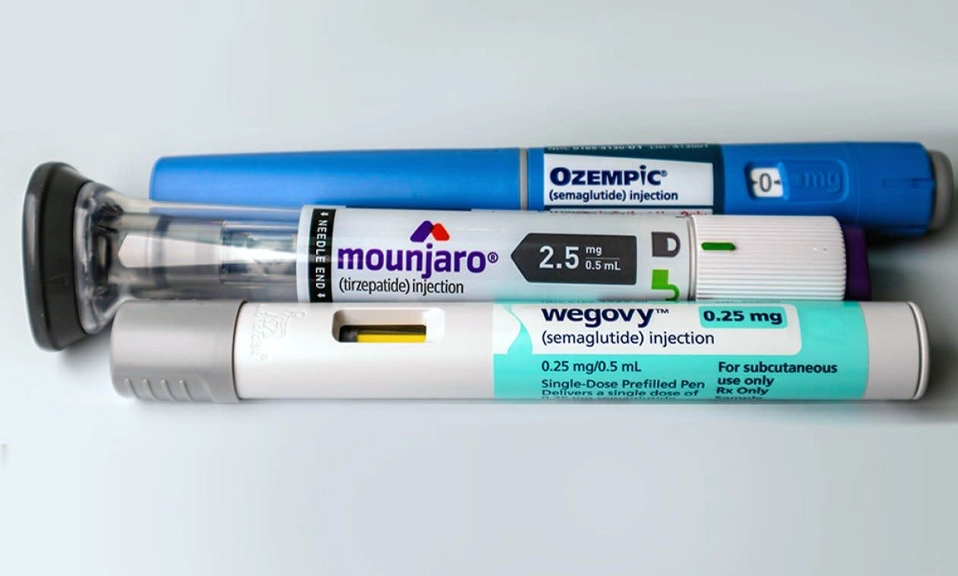
Ozempic, Wegovy and Mounjaro are among the most discussed prescription injections in medicine. Their popularity comes from strong clinical-trial results, but social-media conversations often blur important differences between the products.
The first distinction is the most important one: in the United States, Ozempic and Mounjaro are diabetes brands, while Wegovy is a semaglutide brand approved for chronic weight management. The weight-management brand for tirzepatide is Zepbound. Mounjaro and Zepbound contain the same active ingredient, tirzepatide, but their approved uses and labeling are not identical.
These medicines are not cosmetic shortcuts or ordinary appetite suppressants. They are prescription treatments intended for particular patients, used alongside nutrition and physical-activity changes, and monitored by a healthcare professional.
What are these medicines?
Ozempic and Wegovy contain semaglutide. Semaglutide mimics glucagon-like peptide-1, or GLP-1, a hormone involved in blood-glucose regulation, stomach emptying and appetite signalling.
Mounjaro and Zepbound contain tirzepatide. Tirzepatide activates both the GLP-1 receptor and the glucose-dependent insulinotropic polypeptide, or GIP, receptor. These actions can reduce appetite and food intake while improving blood-glucose control in people with type 2 diabetes.
These medicines are given as injections under the skin, usually once weekly. Treatment normally starts at a lower dose and increases gradually. The escalation period is intended to improve tolerability, not to make people lose weight as quickly as possible.
Ozempic: primarily a type 2 diabetes medicine
The current U.S. FDA label indicates Ozempic, or semaglutide injection, as an addition to diet and exercise to improve blood-glucose control in adults with type 2 diabetes. It is also approved to reduce certain cardiovascular and kidney risks in specified adults with type 2 diabetes.
Weight loss is common among people taking Ozempic, but Ozempic is not the U.S. semaglutide brand specifically labeled for chronic weight management. Using a medicine for a purpose not listed on its label is called off-label use. Whether that is appropriate depends on an individual clinical assessment and local prescribing rules.
The Ozempic label recommends starting at 0.25 mg once weekly, then increasing after at least four weeks. The maintenance dose depends on the treatment goal and response. It should not be combined with another semaglutide product or another GLP-1 receptor agonist unless a prescriber specifically directs a safe plan.
Common adverse reactions include nausea, vomiting, diarrhea, abdominal pain and constipation.
Wegovy: semaglutide for chronic weight management
Wegovy contains the same active ingredient as Ozempic but is labeled in the United States for a different purpose. It is used with a reduced-calorie diet and increased physical activity to reduce excess body weight and maintain weight reduction over the long term in adults and in adolescents aged 12 years and older with obesity. It is also indicated for adults with overweight when at least one weight-related condition is present.
The current FDA label also includes cardiovascular-risk reduction for certain adults with established cardiovascular disease and overweight or obesity, as well as an indication for specific adults with noncirrhotic metabolic dysfunction-associated steatohepatitis, or MASH, with moderate-to-advanced fibrosis.
Wegovy is titrated gradually toward a maintenance dose selected according to response and tolerability. The most common side effects include nausea, diarrhea, vomiting, constipation and abdominal pain. The label also warns about gallbladder disease, pancreatitis, kidney injury related to dehydration, severe gastrointestinal reactions and other potential risks.
Mounjaro: tirzepatide for type 2 diabetes
The current U.S. Mounjaro label indicates tirzepatide, alongside diet and exercise, to improve blood-glucose control in adults and children aged 10 years and older with type 2 diabetes.
Mounjaro may produce substantial weight loss, but the product name can cause confusion because the tirzepatide brand approved specifically for chronic weight management is Zepbound. The FDA approved Zepbound for adults with obesity, or adults with overweight and at least one weight-related condition, in combination with a reduced-calorie diet and increased physical activity.
Mounjaro’s current label starts treatment at 2.5 mg once weekly and increases in 2.5 mg steps after at least four weeks when additional glycemic control is needed. The maximum adult dose is 15 mg once weekly. Common adverse reactions include nausea, diarrhea, decreased appetite, vomiting, constipation, indigestion and abdominal pain.
Zepbound matters when the question is weight loss
Although the headline comparison often says “Ozempic versus Mounjaro,” a more accurate U.S. weight-loss comparison is usually Wegovy versus Zepbound. Zepbound is tirzepatide marketed for chronic weight management, while Wegovy is semaglutide marketed for chronic weight management.
The FDA’s weight-management approval covers adults with a body mass index of at least 30, or at least 27 with a weight-related condition such as high blood pressure, type 2 diabetes or high cholesterol. The treatment is intended to be used with a reduced-calorie diet and increased physical activity.
Zepbound also has a U.S. indication for moderate-to-severe obstructive sleep apnea in adults with obesity. The FDA’s approval was based on trials showing fewer apnea and hypopnea events after treatment, an improvement believed to be related mainly to weight reduction.
How effective are they?
The results are impressive, but trial averages are not promises for an individual patient. They also come from carefully selected participants who received regular follow-up and lifestyle support.
In the 68-week STEP 1 trial, adults with overweight or obesity but without diabetes received semaglutide 2.4 mg once weekly or placebo, along with lifestyle intervention. Average weight change was 14.9% below baseline with semaglutide compared with 2.4% with placebo. In the semaglutide group, 86.4% lost at least 5% of their starting weight, 69.1% lost at least 10%, and 50.5% lost at least 15%.
In the 72-week SURMOUNT-1 trial, adults with obesity but without diabetes received tirzepatide or placebo. Average weight reduction was 15.0% with 5 mg, 19.5% with 10 mg and 20.9% with 15 mg, compared with 3.1% with placebo.
The trials were not identical, so their averages should not be treated as a perfect head-to-head comparison. A later 72-week head-to-head trial did directly compare the maximum tolerated doses of tirzepatide and semaglutide in adults with obesity who did not have type 2 diabetes. Average weight reduction was 20.2% with tirzepatide and 13.7% with semaglutide. Waist circumference also decreased more with tirzepatide.
That study suggests tirzepatide produced greater average weight loss under those trial conditions. It does not mean tirzepatide is automatically the best choice for every person. Side effects, other medical conditions, treatment goals, access, cost and individual response all matter.
Why do people regain weight after stopping?
These medicines generally work while they are being taken. They reduce appetite and food intake, but they do not permanently remove the biological systems that influence hunger, energy balance and body weight.
When treatment stops, appetite may return and weight regain can occur. The amount varies. Some people maintain part of their loss, while others regain much of it. This is one reason clinicians may discuss obesity treatment as long-term care rather than a short course that ends as soon as a target weight is reached.
Stopping or changing a dose should be discussed with the prescriber. A person who has severe side effects, cannot obtain the medication, becomes pregnant or develops another health problem may need a medically supervised adjustment rather than an abrupt decision made alone.
The most common side effects
The most common problems are gastrointestinal. Nausea, diarrhea, vomiting, constipation, indigestion, reduced appetite and abdominal discomfort are reported across these medicines. In the STEP 1 semaglutide trial, gastrointestinal events occurred in 74.2% of participants receiving semaglutide compared with 47.9% receiving placebo. Most were mild to moderate and tended to improve over time.
In SURMOUNT-1, gastrointestinal events were also the most frequent with tirzepatide. They occurred mainly during dose escalation and were generally mild to moderate.
Eating smaller meals, slowing down, avoiding foods that worsen symptoms and maintaining fluid intake may help, but persistent vomiting or diarrhea can cause dehydration. Contact a clinician if symptoms are severe or do not improve.
Serious warnings and who should avoid them
Ozempic, Wegovy, Mounjaro and Zepbound carry a boxed warning about thyroid C-cell tumors observed in rodents. It is not known whether these medicines cause medullary thyroid carcinoma in humans. They are contraindicated in people with a personal or family history of medullary thyroid carcinoma or Multiple Endocrine Neoplasia syndrome type 2, and in people with a serious hypersensitivity to the relevant drug or its ingredients.
The labels also contain warnings about pancreatitis, gallbladder disease, severe gastrointestinal reactions, kidney injury related to volume depletion, allergic reactions and low blood sugar when used with insulin or medicines that increase insulin secretion. Patients with severe gastroparesis may not be appropriate candidates because these medicines can affect stomach emptying.
People with a history of diabetic retinopathy need appropriate monitoring when using semaglutide or tirzepatide for diabetes. Patients should also tell their healthcare team about planned surgery or deep sedation because delayed stomach emptying may be relevant to aspiration risk.
A new 2026 eye-safety warning
On November 9, 2026, the FDA announced that it is requiring labeling changes for GLP-1 receptor agonists because of a potential increased risk of non-arteritic anterior ischemic optic neuropathy, or NAION. NAION is a rare condition that can cause sudden, painless loss of vision in one eye, sometimes permanently.
In an FDA analysis of 126 randomized clinical trials across GLP-1 medicines, the rate was 6.4 cases per 100,000 person-years among GLP-1 users compared with 3.8 cases per 100,000 person-years among placebo or non-GLP-1 comparators. The FDA described this as a potential increased risk and noted that the absolute event rate was rare.
Seek urgent medical advice for sudden painless vision loss, new blind spots, tunnel vision, distorted colours or a sudden reduction in sharpness in one eye. Do not decide independently whether to continue or stop treatment after such a symptom; contact a healthcare professional immediately.
What about compounded or online versions?
FDA-approved Ozempic, Wegovy, Mounjaro and Zepbound are prescription products manufactured under approved standards. Unapproved or compounded versions are different. They are not reviewed by the FDA for safety, effectiveness and quality before marketing.
The FDA has received reports of dosing errors involving compounded semaglutide and tirzepatide, including events requiring hospitalization. Errors can occur when people must measure a dose from a multi-dose vial, misunderstand concentration instructions or increase the dose too quickly. The agency also warns about fraudulent labels, counterfeit products, poor shipping conditions and products sold for “research” use.
If an approved medicine does not meet a patient’s medical need, a clinician may discuss alternatives. Patients should obtain a prescription from a licensed clinician and use a legitimate, state-licensed pharmacy. Avoid products that promise unusually deep discounts, require no prescription, arrive warm or damaged, or use unclear dosing instructions.
Which one is right for you?
There is no responsible answer based on brand popularity alone. The choice depends on whether the primary goal is blood-glucose control, chronic weight management, cardiovascular risk reduction or another approved indication.
A clinician may consider body-mass index, type 2 diabetes, cardiovascular and kidney disease, sleep apnea, gastrointestinal symptoms, eye disease, current medicines, pregnancy plans, family history of thyroid cancer, insurance coverage and previous treatment response.
Do not use Ozempic and Wegovy together. Do not use Mounjaro and Zepbound together. Do not combine these medicines with another GLP-1 receptor agonist unless a qualified prescriber has explicitly reviewed the plan. A higher dose is not automatically safer or more effective for a particular patient.
Questions to ask before starting
Ask what condition the medicine is treating and whether the product is approved for that purpose in your country. Confirm the starting dose, escalation schedule, missed-dose instructions and what to do if nausea or vomiting occurs.
Ask whether you need changes to insulin or other diabetes medicines, how your kidney function and blood sugar will be monitored, and what symptoms require urgent care. Tell the clinician about thyroid cancer in the family, pancreatitis, gallbladder problems, severe reflux or gastroparesis, diabetic retinopathy, planned procedures, pregnancy plans and any history of suicidal thoughts.
Ozempic and Wegovy
are different U.S. brands containing semaglutide, while Mounjaro and Zepbound are different brands containing tirzepatide. Ozempic and Mounjaro are primarily diabetes brands; Wegovy and Zepbound are the corresponding U.S. weight-management brands.
Both semaglutide and tirzepatide can produce substantial average weight loss, and tirzepatide produced greater average loss than semaglutide in a 2025 head-to-head trial. These medicines also carry real risks, require gradual dosing and may need long-term monitoring.
The right question is not “Which injection is trending?” It is “Which approved treatment, if any, matches my medical needs, risks and goals?”
This article is for general education and is not medical advice. Prescription weight-management medicines should be started, adjusted and stopped only with guidance from a qualified healthcare professional. Seek urgent medical help for severe allergic symptoms, persistent vomiting, severe abdominal pain, symptoms of pancreatitis or gallbladder disease, or sudden painless vision loss.