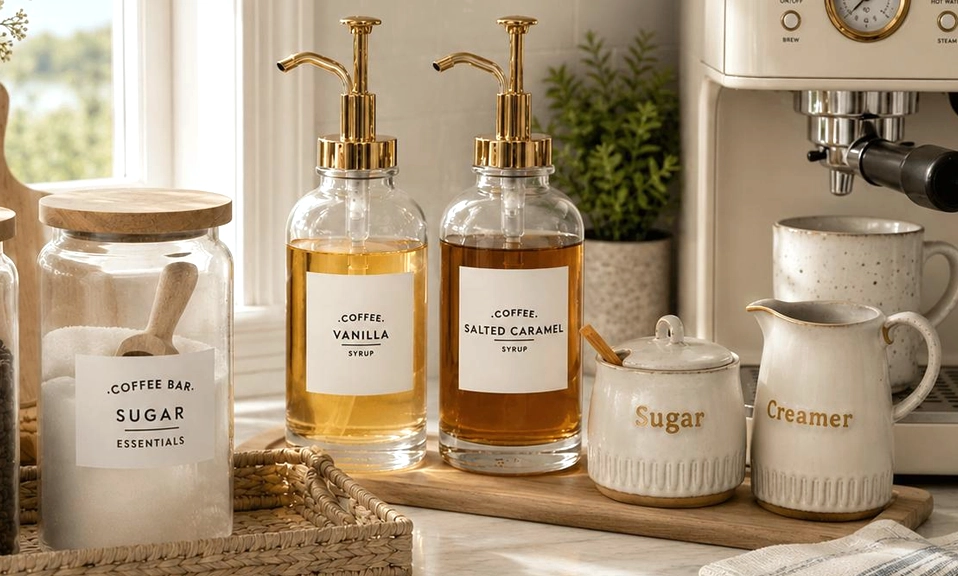
The café is no longer a place you go. It’s a place you create—at home. The home café trend is not just about saving money on your daily latte, or replicating a barista’s latte art. It is about the ritual, the atmosphere, the deliberate pause that a café visit used to provide. In 2026, with the cost of living still biting and remote work blurring the boundaries between home and office, more people are investing in their own coffee setups—not just for the caffeine, but for the experience.
The trend is showing up in the numbers. Google searches for “home café setup” and “coffee bar ideas” have surged, with platforms like Pinterest and TikTok flooded with aesthetics that transform kitchen counters into miniature espresso bars. It is driven by a confluence of factors: the rise of specialty coffee culture, the affordability of quality home espresso machines, and a deeper desire for small, daily luxuries that feel intentional rather than accidental.
Here are nine easy ways to create a coffee shop experience at home—without a renovation, a barista course, or a commercial-grade grinder.
1. Build a Dedicated Coffee Station
The first step toward a café experience at home is giving coffee its own space. It does not need to be a full kitchen remodel. A corner of the counter, a small side table, or a shelf dedicated to your coffee gear can transform the act of making coffee from a chore into a ritual.
The key is to keep it uncluttered and functional. You want your grinder, your brewer, your mugs, and your beans within arm’s reach. Add a small tray to catch stray grounds and spills, and a little jar for your coffee scoop. The visual organisation alone makes the process feel more deliberate, more like an experience.
2. Upgrade Your Grinder Before Your Machine
If you are going to spend money on one piece of equipment, make it the grinder. This is the single most important factor in coffee quality, and it is where most home setups fall short. A good burr grinder—whether manual or electric—delivers an even grind size that extracts flavour consistently. A cheap blade grinder pulverises beans unevenly, producing a cup that is both bitter and sour, no matter how expensive your espresso machine is.
A quality hand grinder can be found for under $100, and a solid entry-level electric burr grinder for around $150-$200. This is the investment that separates a home café from a home mug of hot brown water.
3. Master a Single Brew Method
You do not need every brewing device on the market. You need to master one. Whether it is a pour-over, an AeroPress, a French press, or an espresso machine, focus on getting consistently good results with one method before adding another to your shelf.
The pour-over is arguably the most café-like ritual: the slow, deliberate pouring, the blooming of the grounds, the meditative wait. An AeroPress is faster and more forgiving, ideal for busy mornings. A French press is the most hands-off. Whichever you choose, learning its nuances—grind size, water temperature, brew time, and ratio—will make you feel like a barista, not just a coffee maker.
4. Invest in Quality Beans (and Store Them Right)
The best equipment in the world cannot rescue stale beans. Buy whole beans from a local roaster or a reputable specialty brand, and use them within four to six weeks of the roast date. Store them in an airtight container, away from light, heat, and moisture. Do not keep them in the fridge or freezer unless you are storing them for long-term use—the condensation that forms when you take them out can damage the beans.
Fresh, well-stored beans will produce a cup with complexity, sweetness, and depth that no supermarket pre-ground coffee can match.
5. Nail the Water
Coffee is 98% water. The water you use matters. If your tap water tastes like chlorine or has a high mineral content, it will show up in your cup. Filtered water is a simple upgrade. If you want to go deeper, water with a balanced mineral profile—neither too hard nor too soft—is ideal for extraction. For most people, a simple carbon filter pitcher is enough to make a noticeable difference.
6. Warm Your Mug
This is a small detail with an outsized effect. A cold mug pulls heat from your coffee, dropping the temperature and muting the flavours. It is the kind of thing that separates a café cup from a home cup. Fill your mug with hot water while you prepare the coffee, then empty it just before pouring. The difference is subtle but real—your coffee stays hotter, and the aromas are more pronounced.
7. Create the Atmosphere
The café experience is not just about the drink. It is about the space. Light a candle. Play some music—a jazz playlist, a lo-fi beat, or whatever makes you feel calm and focused. Open a window for natural light. Sit down when you drink it, even if it is just for five minutes. The ritual of treating coffee as an experience rather than a transaction is the heart of the home café trend.
8. Learn One Signature Drink
You do not need to master a full café menu. Learn one signature drink you can make consistently well, and make it your thing. It could be a perfect flat white, a cinnamon-dusted cappuccino, or a cold brew with a touch of vanilla. The process of perfecting that one drink is rewarding, and it gives you a sense of ownership over your home café. It also makes hosting friends feel special—they know what to expect, and you know how to deliver it.
9. Serve It Properly
Presentation matters. Use a mug you love. A nice ceramic cup, a saucer, a small spoon, a glass of sparkling water on the side. These are the touches that elevate the experience. You do not need to plate a croissant, but a small biscotti or a piece of dark chocolate alongside your drink costs almost nothing and makes the moment feel considered.
The home café trend is
not about replicating a Starbucks. It is about reclaiming the ritual of coffee as a moment of pause, creativity, and pleasure in your own space. The equipment matters, but the mindset matters more. You do not need a $2,000 espresso machine or a dedicated coffee bar built into your kitchen. You need a grinder that does its job, beans that are fresh, water that is clean, and a few minutes to be present with the process.
Start with one thing from this list. Master it. Then add another. The goal is not a perfect café. It is a home café that feels like yours.