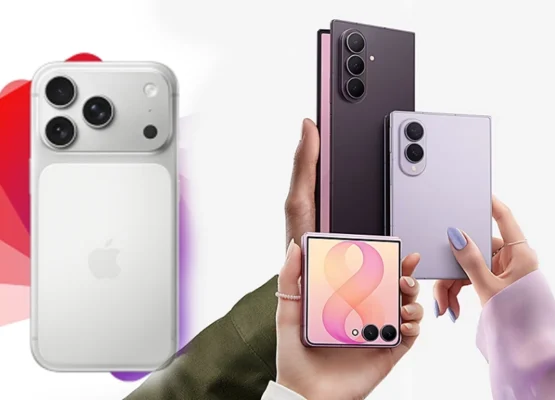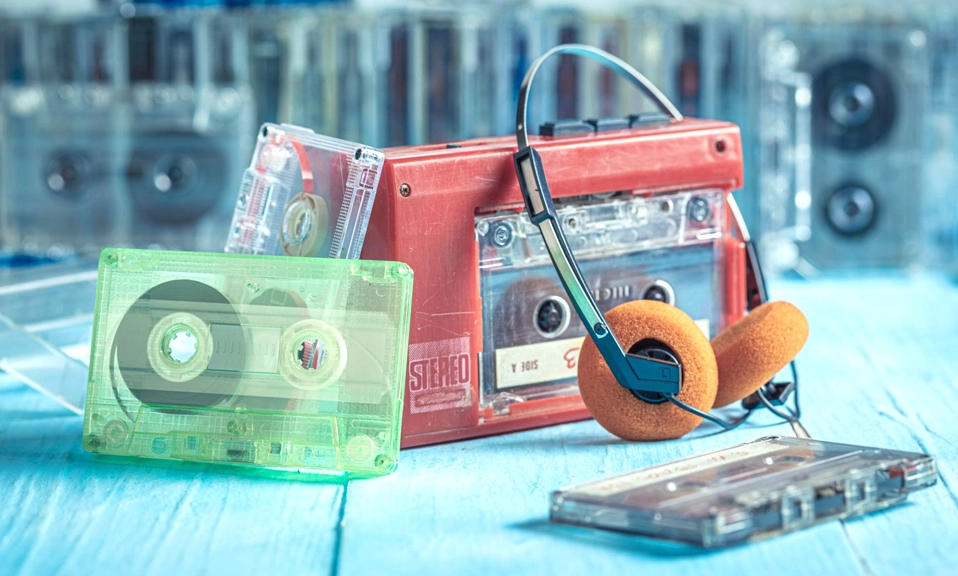
In an age of AI assistants, foldable screens, and always-connected everything, something unexpected is happening: people are buying cassette players, Polaroid cameras, mechanical watches, and wired headphones. They are turning off their smartphones and picking up typewriters. They are browsing vinyl records in record stores that were supposed to be dead. The retro gadget revival is not a niche curiosity or a passing fad. It is a genuine cultural movement—and it is revealing something important about what modern technology has given us, and what it has taken away.
The numbers are striking. The global vinyl record market has grown for 17 consecutive years, reaching $1.5 billion in revenue in 2024**, and it is projected to hit **$1.8 billion by 2028—on track to surpass CDs for the first time since the 1980s. Sales of instant cameras have surged, with Fujifilm’s Instax line alone selling millions of units annually. Mechanical watch sales have rebounded, driven by a new generation of enthusiasts who value craftsmanship over convenience. And on TikTok, the hashtag #retrotech has amassed billions of views, with Gen Z creators unboxing disposable cameras, refurbishing vintage Walkmans, and documenting the deliberate inconvenience of a digital detox.
Why is this happening? Why are people who grew up with smartphones choosing to use technology that is slower, clunkier, and objectively less capable? The answer is not simple nostalgia. It is something deeper, and it says a lot about what we are missing in the modern technological experience.
The Psychology: Why Slower Can Feel Better
The first driver of the retro revival is psychological. Modern technology is designed for efficiency, and efficiency is not always good for the human brain.
The attention economy has a cost. Every modern device is engineered to capture and hold your attention. Notifications, infinite scroll, algorithmic feeds—these are not features; they are mechanisms of engagement designed to maximise the time you spend staring at a screen. The result is a pervasive sense of fragmentation, anxiety, and exhaustion. A retro gadget, by contrast, does one thing. A Polaroid camera takes a photo. A vinyl record plays an album. A typewriter types. There is no notification, no algorithm, no distraction. The simplicity is not a limitation; it is a liberation.
Ritual and presence. Using a retro gadget requires a level of physical engagement that modern technology has eliminated. You have to load film, wind the crank, clean the record, press the keys with force. These rituals slow you down. They force you to be present. And in a world that is constantly pulling you into the past (memories, regrets) or the future (anxieties, plans), the ability to be present in the moment is increasingly rare—and increasingly valuable. The Guardian describes this as “the joy of the deliberate slowdown,” a deliberate rejection of the cult of convenience.
Tactile satisfaction. Modern devices are flat, smooth, and silent. They offer almost no tactile feedback. Retro gadgets are the opposite: the click of a mechanical keyboard, the weight of a vinyl record, the satisfying snap of a film camera’s shutter. These physical sensations activate a part of the brain that modern technology largely ignores. The Financial Times notes that Gen Z is drawn to “objects that push back” —things that require effort and reward it with a tangible, sensory experience.
The Aesthetic: The Look of Analogue
The second driver is aesthetic. Retro gadgets look different. They have buttons, dials, and physical controls. They are often made of metal and glass, not plastic. They have a visual character that stands out against the sleek, minimalist sameness of modern devices.
This aesthetic has become a cultural marker. In a world where everyone’s phone looks the same, a vintage camera or a mechanical watch is a statement of individuality. The New York Times reports that #retrotech posts on TikTok have become a form of visual identity, with creators using retro gadgets as props to signal a certain set of values: a rejection of consumerism, an appreciation for craftsmanship, and a desire for a more deliberate way of living.
The aesthetic extends beyond the gadgets themselves. The revival of film photography has brought with it a resurgence of the aesthetic qualities that digital photography cannot easily replicate: grain, softness, the unpredictable color shifts of expired film, the simple fact that you cannot see the image until you develop it. These imperfections, once seen as flaws, are now seen as features. They are evidence of a human hand, a physical process, a real moment.
The Values: Craftsmanship, Repairability, and Ownership
The third driver is values. Retro gadgets are often built to last. They are repairable, upgradeable, and durable in a way that modern devices, with their glued-shut cases and planned obsolescence, are not.
The right-to-repair movement has gained significant momentum in recent years, with legislation in the EU and several US states requiring manufacturers to make devices easier to fix. The revival of interest in vintage gadgets is part of the same cultural shift—a growing awareness that the disposable, upgrade-every-two-years model of consumer technology is unsustainable, both environmentally and economically.
A mechanical watch does not need a software update. A vinyl record does not require a subscription. A film camera does not collect your data. These are devices that you own, not devices that own you. They give you a sense of control that modern technology, with its terms of service, data collection, and remote updates, has steadily eroded.
The Nostalgia Factor: A Bridge Across Generations
The fourth driver is nostalgia—but not the simple kind that romanticises the past.
Nostalgia is a form of connection. For older generations, retro gadgets evoke memories of a time before the internet, before smartphones, before the constant connectivity that now defines daily life. For younger generations, they evoke something different: a connection to a past they never experienced, a tangible link to the cultural heritage of their parents and grandparents. When a Gen Z creator restores a vintage Walkman, they are not just fixing a gadget; they are participating in a tradition, joining a lineage of people who cared for these objects.
This cross-generational appeal is part of what makes the retro revival so durable. It is not just about the past; it is about building a bridge between generations, using technology as a shared language.
The Counter-Argument: When Retro Becomes a Performance
The retro gadget revival is not without its critics. Some argue that it is a form of performative consumption, where people buy retro gadgets not because they genuinely prefer them, but because they want to signal a certain identity or aesthetic.
There is also the question of practicality. A typewriter is charming, but it is not a practical tool for most people. A film camera is satisfying, but it is expensive and inconvenient. A mechanical watch requires winding and maintenance. If the point of a gadget is to do something useful, retro gadgets are often objectively worse than their modern equivalents. The Guardian notes that the appeal of retro is partly “the aesthetics of the analogue” —a taste for the look and feel of old things rather than their utility.
These criticisms have merit, but they miss the deeper point. The retro revival is not about rejecting modern technology. It is about rebalancing the relationship between technology and the human experience. It is about recognising that the most convenient option is not always the best option, and that some of the most meaningful experiences come from the things that require the most effort.
A Search for Something Real
The retro gadget revival is not a rejection of the future. It is a search for something that the future has left behind: tangibility, ritual, craftsmanship, and a sense of ownership. It is a recognition that modern technology, for all its extraordinary capabilities, has also taken something away—the physical sensation of interacting with a tool, the satisfaction of mastering a skill, the pleasure of using a device that is not designed to hijack your attention.
In a world that is becoming more digital, more automated, and more homogenised, retro gadgets offer something increasingly rare: a direct, unmediated connection to the physical world. They are slower. They are less capable. They are often more expensive. But they are real—and in 2026, real is something people are willing to pay for.
The past, it turns out, is not just a place of nostalgia. It is a place of possibility. And the gadgets we thought we had left behind are showing us something we had forgotten: that sometimes, the best way to move forward is to look back.