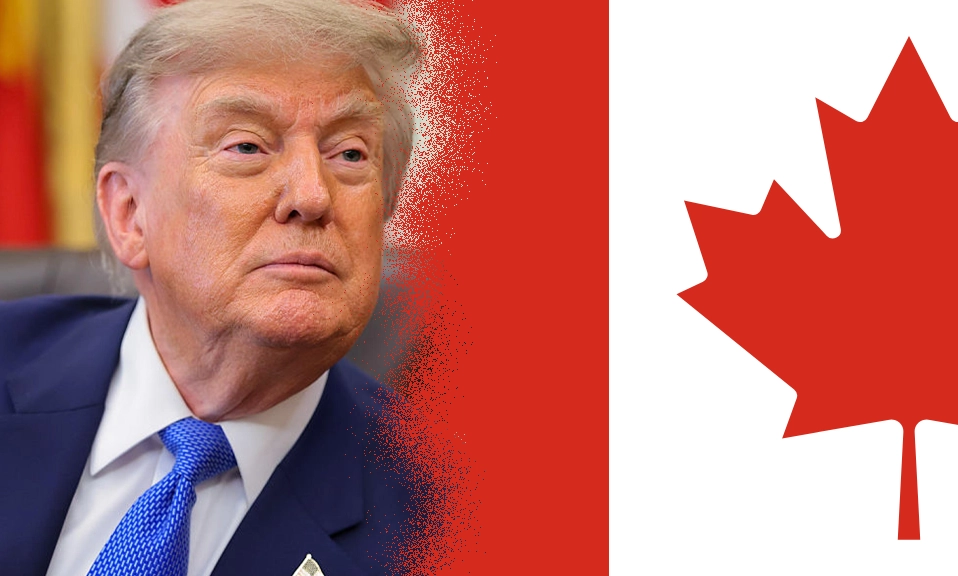
The trade truce between the United States and Canada is officially over. After last-ditch negotiations collapsed on August 21, President Donald Trump’s 50% tariffs on scores of Canadian imports kicked in on August 22. Then, on August 24, Trump escalated further—threatening to double auto tariffs to 50% starting January 1, 2027.
For American consumers, this isn’t just a political story. It’s a story about higher prices at the checkout counter, more expensive cars, and a deeply uncertain economic future.
The Tariffs: What Just Happened?
Phase 1 — Already in Effect (August 22, 2026)
The U.S. imposed 50% tariffs on roughly $20 billion worth of Canadian goods. That’s about 5% of Canada’s annual exports to the United States.
The affected products span hundreds of items, including:
Wine and alcohol
Dairy products
Cement and wood products
Furniture
Clothing and ceramics
Hockey sticks and fishing rods
Tongue depressors
Phase 2 — Coming January 1, 2027
Trump announced he will raise tariffs on all Canadian cars, trucks, automotive parts, and steel from the current 25% to 50%.
“Build in the U.S. and there are ZERO TARIFFS. Canada will be treated like a State no longer!” — Trump on Truth Social
The White House is using Section 338 of the Tariff Act of 1930—a Depression-era law that hadn’t been used since 1949—to justify the measures, accusing Canada of “discriminatory treatment of American products”.
What This Means for American Consumers
1. Higher Car Prices — Potentially Thousands of Dollars
This is the biggest concern. The U.S. and Canadian auto industries are deeply integrated, with parts and components sometimes crossing the border multiple times between factories. A 50% tariff doesn’t just affect finished vehicles—it hits every component along the supply chain.
Unmitigated tariffs on North American auto imports could add thousands of dollars to average vehicle prices.
Automakers have little choice but to pass these costs onto buyers.
Every additional point of tariff translates into hundreds of dollars more when buying or repairing a vehicle.
The average price of a new car in the U.S. already exceeds $50,000. These tariffs will push that figure even higher.
2. Higher Prices on Everyday Goods
Experts warn that steeper tariffs raise costs for businesses and almost always trickle down to households in the form of higher prices.
“Nearly all industries and professions are likely to see downstream effects from this spiraling trade dispute.” — Augustine Lo, Dorsey & Whitney
From your morning wine to your child’s hockey equipment, from furniture to clothing—expect price tags to climb.
3. Supply Chain Chaos and Uncertainty
The U.S. and Canada have shared one of the world’s most durable trade alliances. The sudden collapse of that relationship creates uncertainty for workers across affected sectors. Businesses can’t plan. Workers don’t know if their jobs are safe. And consumers don’t know what anything will cost next week.
The Auto Industry: Ground Zero
The threatened 50% auto tariff would be “cataclysmic” to Canada’s automotive industry, according to experts. But it would also hammer American automakers.
Stock markets reacted immediately: Ford and Stellantis shares dropped 4% following Trump’s announcement. The reason? Cross-border supply chains mean U.S. automakers are just as exposed as their Canadian counterparts.
Toyota and Honda, which have major manufacturing operations in Canada, would face combined additional costs of $10 billion annually if the 50% threat is implemented.
Canada Fights Back
Prime Minister Mark Carney didn’t back down. Canada will impose “dollar for dollar” retaliatory tariffs starting September 8, targeting U.S. steel, dairy, appliances, agricultural equipment, paper, and electronics.
“You’re at war when you get attacked. We got attacked.” — Mark Carney
Carney accused Washington of asking “too much and offering too little,” saying he would not “compromise Canada’s sovereignty or undermine our key industries”.
Ontario Premier Doug Ford went further, telling Trump: “He can kiss my ass as far as I’m concerned”. Ford is even considering putting an export tariff on electricity to make the U.S. “feel the pain”.
What This Means for You
| What’s Affected | When | Impact on You |
|---|---|---|
| Wine, dairy, cement, furniture, clothing, hockey equipment, and hundreds more | Already in effect (Aug 22) | Higher prices on everyday goods |
| Cars, trucks, auto parts, and steel | Jan 1, 2027 | Thousands more for your next vehicle |
| Retaliatory tariffs from Canada | Sept 8, 2026 | U.S. exports to Canada become more expensive, potentially costing American jobs |
The U.S. accounts for roughly 70% of Canada’s exports, leaving Ottawa heavily exposed. But American consumers are exposed too—because what hurts Canada’s economy eventually shows up in American wallets.
What Happens Next?
No further trade negotiations are scheduled. The relationship between the two historic allies has deteriorated to a point not seen in modern memory.
Economists warn that if the 50% tariffs are extended to 20% of Canada’s U.S. goods exports (up from 5%), it could knock around 2% from Canadian GDP and push it into recession. And a recession in Canada means less demand for American goods—which means fewer American jobs.
What do you think? Are these tariffs a necessary move to protect American industry, or a costly gamble that will hit consumers’ wallets?