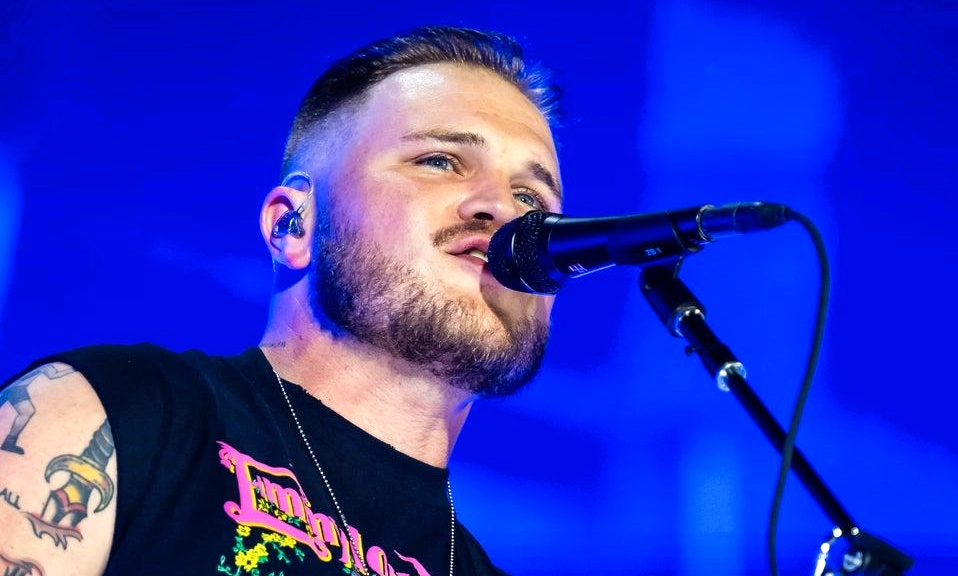
On October 27, 2026, Zach Bryan achieved something that would have seemed improbable for a country artist a decade ago: his eight-song EP, Young Manhood and Other Donatable Organs, debuted at No. 2 on the Billboard 200, while his Lana Del Rey collaboration “Lies” entered the Billboard Hot 100 at No. 4. It was his sixth top-10 album and his fourth top-10 single—but Bryan’s breakthrough is more than a personal milestone. It is the latest, loudest signal that country music has won over a new generation, and that the genre’s long-standing boundaries have finally dissolved.
The numbers behind this shift are staggering. Country streaming in the US rose by nearly 110% in the five years to 2024. In the first half of 2025, country was the most common genre in the Hot 100’s top 10, claiming 29% of all top-10 hits. Globally, the genre is expanding at a pace that defies its regional roots: Canadian country music streams grew by 64% worldwide in just five years, and nearly half of UK country listeners are now under 30. Country is no longer a southern American tradition. It is a global youth movement.
So why is country winning over a generation that grew up on hip-hop, pop, and TikTok? The answer lies in a perfect storm of sonic evolution, platform-driven discovery, and a cultural hunger for authenticity.
The Sound Changed (and the Gatekeepers Lost Control)
The first and most fundamental driver is the music itself. Country has always been a hybrid genre, but in the 2020s, the fusion became explicit and fearless. Producers and songwriters migrated from Los Angeles and New York to Nashville, bringing with them pop, rock, folk, and hip-hop sensibilities that reshaped the genre’s sonic palette. The result is a sound that can accommodate a stadium-sized pop chorus, a trap-inflected beat, and a steel guitar without feeling like a contradiction.
Zach Bryan is the perfect embodiment of this evolution. He is a country artist who tours arenas, collaborates with Lana Del Rey, and charts on Hot Rock Songs as comfortably as Hot Country Songs. His music is rooted in folk and Americana, but its emotional directness and stripped-back production speak to listeners who might never have considered themselves country fans. As one analysis put it, the genre has become “one of the dominant languages of contemporary music, capable of conquering streaming, charts, and above all, the youngest audience”.
The gatekeepers who once policed the boundaries of country music have lost their authority. Streaming algorithms and TikTok trends now determine what becomes a hit, and those platforms have no investment in genre purity. “Fans are speaking louder than gatekeepers,” as The Guardian put it, describing how Gen Z women like Ella Langley and Megan Moroney conquered country music by building audiences directly through streaming and social media.
TikTok and the Discovery Engine
Social media has been the engine of country’s crossover. TikTok, in particular, has become the primary discovery platform for a generation that consumes music in short-form video. Country content generated 196 million TikTok views in Australia alone in the past year, and 92% of Australian country streams come from urban areas—a statistic that shatters the genre’s rural stereotype.
The platform effect is not just about exposure; it is about democratization. Artists no longer need radio play or Nashville approval to find an audience. A song can go viral because a fifteen-second clip resonates with millions of people, regardless of genre. Shaboozey’s “A Bar Song (Tipsy),” which blended country with hip-hop and rock, stayed at the top of the charts for 19 weeks—a feat that would have been unthinkable for a genre-bending country song a decade ago.
This is why Zach Bryan’s success feels both inevitable and revolutionary. He built his following independently, releasing music directly to streaming platforms and connecting with fans through raw, unpolished authenticity. His chart dominance is a validation of a career path that did not exist when country music’s old gatekeepers were in charge.
The Authenticity Hunger
There is a deeper cultural reason for country’s rise, and it is harder to quantify but impossible to ignore: a hunger for authenticity.
The 2020s have been defined by instability—pandemic, inflation, political division, climate anxiety. In that context, country music’s core themes—home, heartbreak, resilience, community, the land—have taken on a new resonance. The genre’s storytelling tradition, its willingness to address pain and joy without irony, offers something that polished pop often cannot: a sense of groundedness.
Zach Bryan’s music is a case study in this dynamic. His songs are diaristic, vulnerable, and often stark. He writes about addiction, faith, family, and the ache of being alive. That emotional honesty resonates with a generation that has grown up online, saturated with performance and curated identities. Country, at its best, feels like the opposite of that: unvarnished, direct, and real.
This hunger for authenticity is also visible in the visual culture surrounding country’s revival. Cowboy boots have become mainstream fashion. The “cowboy core” aesthetic—fringe, leather, wide-brimmed hats—has migrated from Nashville to TikTok, Instagram, and the runway. Country is not just a sound anymore. It is a style, a mood, a way of signaling a connection to something older and more grounded than the algorithmic present.
The Women Leading the Charge
One of the most significant and underappreciated aspects of country’s new era is the role of women in driving it. For decades, country music’s charts and airplay were dominated by men, and women faced structural barriers to reaching the top. That has changed dramatically.
In 2026, Ella Langley became the first woman to concurrently hit No. 1 on the Billboard Hot 100, Hot Country Songs, and Country Airplay charts with “Choosin’ Texas”. She and Megan Moroney became the first women who primarily record country music to simultaneously top the Hot 100 and Billboard 200. Langley’s Dandelion set a modern-era record as the first album by a woman to earn 100,000-plus units for five consecutive weeks on Top Country Albums.
These are not isolated achievements. They represent a structural shift in who gets to make country music, who gets to be a star, and whose stories get told. The genre’s new audience—young, diverse, and disproportionately female—has demanded artists who reflect their experiences, and the industry has been forced to respond. As Billboard noted, Langley and Moroney are “creating a new precedent for country music—one with room for both traditional throwbacks and glossy pop and most importantly, where two women artists can reign equally instead of having to ascend one at a time”.
Zach Bryan’s Billboard
top-10 breakthrough is not a fluke. It is the product of a decade-long transformation that has reshaped country music from the inside out. The sound has evolved, the gatekeepers have lost control, the platforms have democratized discovery, and the culture has embraced a genre that once seemed inaccessible to anyone outside the American South.
Country music is winning over a new generation because it has stopped asking permission to be something other than what it was. It has absorbed pop, rock, and hip-hop without losing its storytelling soul. It has found artists who speak directly to the anxieties and hopes of young listeners. And it has built an audience that is younger, more urban, and more diverse than at any point in its history.
Zach Bryan is the face of that moment—a country artist who belongs to no single tradition, who charts alongside pop stars and rock bands, and who has built a career on the kind of raw honesty that a generation raised on curated feeds is desperate to hear. His success is a reminder that genres are not fixed categories. They are conversations, and the most interesting voices are the ones that refuse to stay in their lane.
Country music is not having a moment. It is having a generation. And it is only just getting started.